Table of Contents
Introduction
Picture this: your little one’s eyes lighting up as they discover something new, their giggles filling a room where learning feels like play. That’s the magic of early childhood education—and honestly? It’s one of the most important gifts you can give your child. These aren’t just programs or daycare solutions. They’re the building blocks for everything that comes next in your child’s life.
Here’s what we know for sure: the early years matter. A lot. Research keeps showing us how much these formative experiences shape cognitive growth, social skills, and emotional intelligence. But here’s the thing—navigating your options can feel overwhelming. Public or private? Traditional or Montessori? What even is a Head Start program? And with so many approaches out there, how do you choose what’s right for your family? That’s where understanding education technology trends comes in handy—you’ll see how modern tools are making learning more engaging than ever.
Now, you might be wondering about something many parents think about: how does early education affect your child’s mental health and overall well-being? The connection runs deeper than you might expect. Quality programs don’t just teach ABCs and 123s—they help kids build confidence, learn to manage emotions, and develop those crucial social skills. Understanding education and mental health reveals why the right environment matters so much. And if you’re considering bilingual options? Smart move. The benefits of bilingual education go way beyond language skills—we’re talking enhanced problem-solving abilities and cultural awareness that’ll serve your child for life.
Choosing the right program means looking at the whole picture. You want quality curriculum, skilled teachers, and an environment where your child can thrive. Ever wonder what goes into creating those engaging classroom experiences? Things like thoughtful lesson plans and understanding different learning styles—like study methods for visual learners—make all the difference. You’ll also want to know about classroom management strategies and how teacher professional development keeps educators at their best.
What You’ll Learn in This Guide
Ready to dive in? This guide breaks down everything you need to know about early childhood education programs. Whether you’re a first-time parent feeling a bit lost, an educator looking to expand your knowledge, or a caregiver wanting to make the best choices—we’ve got you covered.
- Types of Programs: We’ll walk through the different options out there—preschools, Head Start programs, daycare centers, Montessori schools, and other specialized approaches. Think of it as your roadmap to understanding what’s available and what might click with your child’s personality and needs.
- How to Choose the Right Program: This is where it gets practical. We’ll cover what to look for in curriculum quality, teacher credentials, the learning environment, costs (yes, we’ll talk money), and financial aid options that can help make quality education more accessible.
- Benefits of Early Childhood Education: Here’s where you’ll see the bigger picture—from immediate social and emotional gains to long-term academic success. We’re talking about investments that pay dividends for years to come.
- Common Challenges: Let’s be real—there are hurdles. Access issues, budget constraints, and quality concerns are genuine challenges many families face. We’ll tackle these head-on and share strategies that actually work.
As we explore each section, you’ll get the detailed insights you need to make confident decisions. We’ll dig into program types so you can appreciate the variety of approaches available. You’ll discover actionable strategies for evaluating programs based on your specific situation. The benefits section? That’s where you’ll really understand why early education is such a game-changer for long-term success.
And yes, we’ll address the elephants in the room—those real challenges that can make this journey feel daunting. But don’t worry. We’ll also share practical solutions that help families navigate these obstacles successfully.
Throughout our exploration, we’ll weave in valuable educational insights, like how to develop critical thinking skills and lesson planning best practices, to give you a complete picture of quality early learning. And because parenting doesn’t stop at preschool, we’ll point you toward helpful resources like parenting tips for teenagers and tools to explore parenting styles that support development at every stage.
By the time you finish reading, you’ll have the knowledge and confidence to make choices that truly serve your child’s best interests. So let’s get started on this journey together—because giving your little one a strong foundation is one of the most important things you’ll ever do.
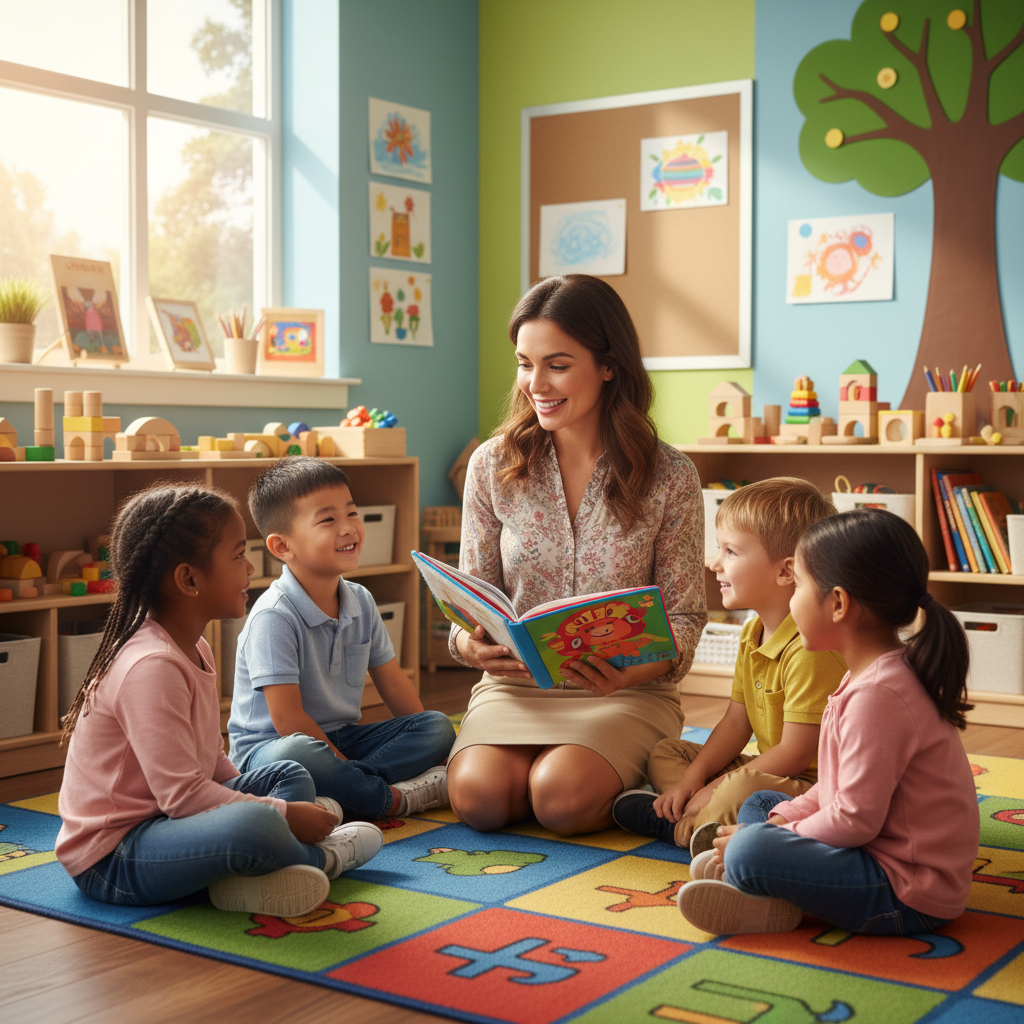
Here’s something every parent should know: those early years? They’re everything. Early childhood education programs aren’t just about keeping kids busy while you’re at work—they’re actually laying the groundwork for your child’s entire future. Think of it as building the foundation of a house. You can’t see it once it’s done, but everything else depends on how solid it is.
Why Early Childhood Education Programs Matter
Let’s get real about what happens when kids get quality early education. Their brains are like sponges during these years—absorbing language, figuring out how to solve problems, and building memories that stick. And here’s the kicker: this early boost doesn’t just fade away. It actually correlates with better grades and academic success down the road. But it’s not just about the books and numbers.
Watch kids in a good early education program, and you’ll see magic happening. They’re learning to share (sometimes reluctantly), work together on projects, and actually talk through problems instead of just melting down. These social skills? They’re gold. And the emotional growth is just as powerful—kids start understanding their feelings, building real confidence, and developing empathy. That’s the stuff that makes life work, not just school.
Now, here’s where it gets interesting. The variety of programs out there is pretty amazing—from traditional preschools to Montessori approaches that let kids follow their curiosity. Some are in public schools, others are private. Some feel like home, others like mini-universities. This variety isn’t just nice to have; it means you can actually find something that fits your child’s personality and your family’s needs. Plus, research shows that positive early education experiences can level the playing field, giving all kids—regardless of background—a fighting chance at success.
Key Aspects of Early Childhood Education Impact
What exactly makes early childhood education so powerful? Let’s break it down into the pieces that really matter:
- Cognitive Advancement: Picture your child’s brain building superhighways. Quality programs create rich environments that spark curiosity and build those crucial early reading and math skills. This cognitive boost becomes the foundation for all future learning.
- Social Interaction Skills: Here’s where kids learn the art of being human—sharing toys (the ultimate test), working together, solving conflicts without throwing things, and appreciating differences. These lessons shape how they’ll interact for life.
- Emotional Development: Kids discover they have feelings—and that those feelings have names. They learn to manage the big emotions, believe in themselves, and understand what others are going through. This emotional intelligence? It’s what separates thriving from just surviving.
- Access to Supportive Resources: Good programs bring together trained teachers, age-perfect materials, and sometimes even health and nutrition support. It’s like having a whole village focused on your child’s growth.
These aren’t just nice benefits—they’re game-changers. And understanding them helps you see why choosing the right program matters so much.
How to Choose the Right Early Childhood Education Program
Okay, so you’re convinced early education matters. Now what? Choosing a program can feel overwhelming—trust me, I get it. But here’s the thing: you’re looking for quality first, fit second. Start with the basics: Does this program have teachers who know what they’re doing? Are there enough adults around so your child isn’t lost in the crowd? Is the curriculum actually designed for little minds, not just scaled-down big-kid activities?
But don’t stop at the educational stuff. Think about your real life. Is this place actually doable for your family? Can you get there without losing your mind in traffic? Do their hours work with your schedule? And let’s talk money—because quality education shouldn’t break the bank. Look for programs that are transparent about costs and explore what financial help might be available.
Here’s my advice: visit the places you’re considering. Ask the hard questions. Check their credentials. Watch how the teachers interact with kids—do they seem genuinely happy to be there? Do the children look engaged, not just entertained? Trust your gut. If something feels off, it probably is. You’re not just choosing childcare; you’re choosing your child’s first real school experience. Make it count.
Key Considerations When Selecting Early Childhood Education Programs
Ready to start your search? Keep these essential factors in mind as you evaluate your options:
- Curriculum Quality and Approach: Look for programs that understand how young children actually learn—through play, exploration, and hands-on discovery. Whether it’s traditional, Montessori, or something else, make sure it matches your child’s learning style and keeps them excited about discovering new things.
- Teacher Qualifications and Staff Ratios: This is huge. You want teachers who are trained in early childhood development, not just people who like kids. And check those ratios—fewer kids per teacher means your child gets the attention they deserve.
- Location and Hours of Operation: Be honest about your life. A perfect program that’s impossible to get to or has hours that don’t work with your schedule isn’t actually perfect for you. Find something that fits your family’s rhythm.
- Cost and Financial Aid Availability: Quality doesn’t have to mean expensive, and expensive doesn’t guarantee quality. Look at the total cost, explore scholarships or sliding scale options, and remember—this is an investment in your child’s future that pays dividends for life.

Here’s what you need to know about early childhood education: it’s absolutely game-changing for your child’s future. We’re talking about programs that don’t just babysit—they actively shape how your little one thinks, connects with others, and handles emotions during those crucial early years. Whether you’re looking at traditional preschools, Montessori environments, or Head Start programs, there’s something out there that’ll click with your child’s personality and learning style. The best programs? They come with skilled teachers, age-appropriate activities, and resources that go way beyond just getting kids ready for kindergarten.
Now, let’s be real—finding the right fit isn’t always easy. You’re juggling cost concerns, trying to match your work schedule, and maybe feeling overwhelmed by all the different teaching philosophies out there. Here’s what really matters: look for programs with teachers who know their stuff, small class sizes where your child won’t get lost in the crowd, and curricula backed by actual research. You want a place that builds academic skills, sure, but also helps your child learn to manage big feelings and play well with others.
Ready to take action? Start by checking out the latest education technology trends that are making early learning more engaging and personalized than ever. Don’t forget to explore how education and mental health work together—because your child’s emotional wellbeing is just as important as their ABCs. Want to understand what makes a great curriculum tick? Our guide on how to create lesson plans gives you insider knowledge on what quality teaching looks like. And here’s something crucial: parental involvement in education makes all the difference. When you stay engaged with your child’s learning, you’re amplifying everything good that happens in the classroom.
Bottom line? Choosing the right early childhood program is one of the smartest investments you’ll ever make for your family. Trust the research, trust your gut, and find a program that truly gets your child. When you nail this decision, you’re giving your little one the tools and confidence they’ll need for everything that comes next. Don’t wait—that bright future starts with the choice you make today.
Frequently Asked Questions
-
What age range do early childhood education programs typically serve?
- Programs commonly serve children ages 3 to 5, although some include younger toddlers.
-
How do I know if a program is high quality?
- Look for accredited programs with qualified staff, good child-to-teacher ratios, and evidence-based curricula.
-
Are early childhood education programs necessary for all children?
- While beneficial, participation depends on family needs and resources; alternative caregiving also plays a role.
-
What are the typical costs involved?
- Costs vary widely; financial aid and subsidies may be available to assist families.