Table of Contents
Introduction
Picture this: You’re explaining a new concept to your class, and you notice something interesting. Sarah’s eyes light up when you draw a diagram on the board. Meanwhile, Jake seems to really get it when you talk through the process step-by-step. And then there’s Maya, who’s already fidgeting with her hands, clearly wanting to try it herself. Sound familiar?
This isn’t just coincidence—it’s learning styles in action. We all process information differently, and understanding these differences? That’s where the magic happens in education.
Here’s the thing: recognizing how students learn best isn’t some fancy educational theory. It’s about solving real problems that teachers face every single day. When you’ve got a classroom full of kids who learn in completely different ways, you need strategies that actually work. That’s where solid lesson planning techniques come in handy—they help you create activities that connect with different types of learners, making your lessons way more engaging and effective.
And let’s talk about technology for a minute. (Because honestly, we can’t ignore how much it’s changed the game.) Digital tools have opened up incredible possibilities for personalized learning. Staying current with education technology trends means you can reach visual learners with interactive videos, connect with auditory learners through podcasts and discussions, and give kinesthetic learners those hands-on virtual experiences they crave. It’s pretty amazing how technology can bridge the gaps between different learning needs.
But here’s something that might surprise you: there’s a strong connection between learning styles and mental health. When students feel understood and supported in how they learn best, their confidence soars. The frustration melts away, and suddenly you’ve got a classroom where everyone feels like they belong. Research on education and mental health shows us just how powerful this connection really is. It’s not just about academic success—it’s about helping students feel seen and valued for who they are.
Speaking of the bigger picture, there’s never been a better time to explore careers in education technology. The field is absolutely exploding right now as more people recognize the need for innovative learning solutions. And if you’re curious about how all this comes together in real classrooms, understanding technology integration in classrooms gives you a front-row seat to see how educators are blending old-school teaching methods with cutting-edge digital tools.
What You’ll Learn in This Guide
We’ve put together everything you need to know about learning styles—whether you’re a teacher, parent, or student yourself. Here’s what we’ll cover:
- Understanding Different Learning Styles: We’ll break down visual, auditory, and kinesthetic learners in plain English. You’ll discover what makes each type tick and how these preferences actually impact learning success.
- Impact on Teaching and Learning: Find out how recognizing learning styles can completely transform your teaching approach. We’re talking about real results—higher engagement and deeper understanding across diverse classrooms.
- Strategies to Identify and Support Learning Styles: Get practical tools for spotting different learning preferences and adapting your lessons accordingly. We’ll share observation techniques, helpful questionnaires, and flexible lesson ideas that actually work.
- Benefits and Controversies: Let’s be honest—this topic has its debates. We’ll explore both the advantages of tailoring education to learning styles and the criticisms you might encounter, so you can approach this thoughtfully.
By the time you finish reading, you’ll have a solid toolkit for creating learning environments that bring out the best in every student. Whether you’re managing a classroom of 30 kids, homeschooling your own children, or trying to figure out your own learning preferences, this guide has something valuable for you.
The best part? Adapting your teaching strategies doesn’t have to be overwhelming. Once you understand the basics, it becomes second nature—and honestly, pretty rewarding too. We’ll show you exactly when and how to adjust your methods without boxing students in or limiting their growth.
Think of this guide as your starting point for a much bigger conversation about what great education looks like. In a world that’s more diverse and tech-savvy than ever, understanding learning styles isn’t just helpful—it’s essential. Ready to unlock every student’s potential? Let’s dive in.

So we’ve covered the basics of learning styles—but what do they actually look like in practice? Here’s where things get interesting. Learning styles aren’t just educational jargon; they’re the preferred ways your students absorb, process, and actually remember information. And trust me, once you understand how this impacts student engagement and achievement, you’ll never plan a lesson the same way again. Think about it: when educators can tailor their teaching methods to match these preferences, students don’t just learn better—they feel empowered to take charge of their own learning journey. In today’s diverse classrooms, recognizing these different styles isn’t just nice to have. It’s essential for creating spaces where every single student can succeed.
Understanding Different Learning Styles
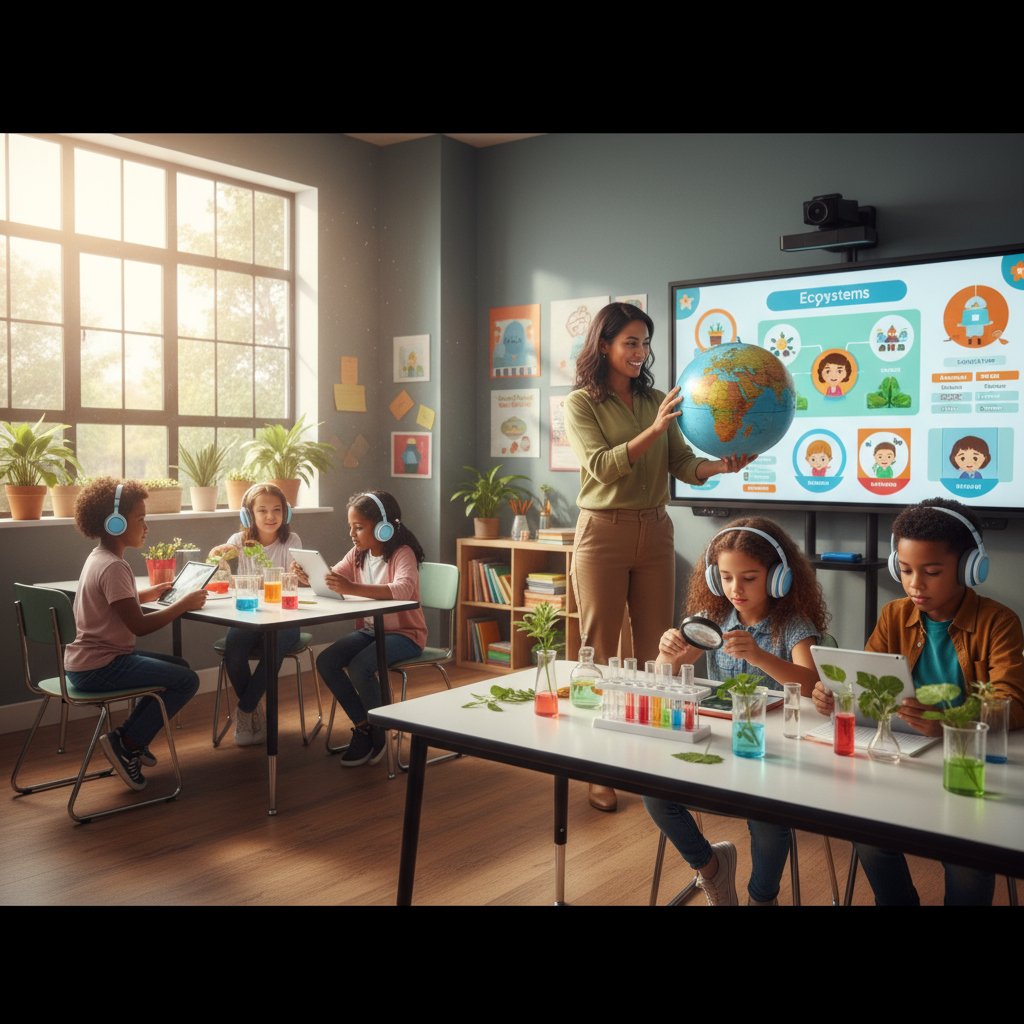
Let’s break this down into something practical. You’ve got three main types of learners walking into your classroom every day: visual, auditory, and kinesthetic. Each one processes information completely differently. Visual learners? They need to see it to believe it. Charts, graphs, images—that’s their sweet spot. Show them a diagram, and watch their eyes light up as connections click into place. Auditory learners are your discussion champions. They soak up information through listening, whether that’s your lecture, group discussions, or audio materials. Then you have kinesthetic learners—the ones who need to get their hands dirty (sometimes literally). These students learn best when they can touch, move, and physically engage with the material. When you recognize these patterns in your classroom, something magical happens: participation goes up, frustration goes down, and suddenly you’re reaching students who might have been struggling before. For those visual learners who really want to excel, you might want to check out these effective study methods for visual learners that can seriously boost their retention and performance.
But here’s what’s really fascinating—these learning styles don’t just affect how students pick up information. They completely transform their motivation and confidence too. Picture this: an auditory learner who’s amazing in class discussions but freezes up when faced with a silent reading assignment. Or a kinesthetic learner who’s bouncing off the walls during a traditional lecture but becomes completely focused during a hands-on lab experiment. This is why the old “one-size-fits-all” approach just doesn’t cut it anymore. You need teaching strategies that embrace multimedia, get students moving, and create real experiences they can connect with. And speaking of staying current, the intersection between learning styles and educational technology is creating some incredible opportunities. The latest education technology trends are opening up new ways to engage every type of learner in your classroom.
Key Aspects of Different Learning Styles
Here’s what you need to know about supporting each type of learner in your classroom:
- Visual Learners: These students live for images, diagrams, charts, and anything that helps them see the big picture. Want to help them succeed? Load up on colorful visuals, mind maps, and video content. They’ll grasp complex concepts faster and remember them longer.
- Auditory Learners: Sound is their superpower. They connect with spoken words, music, and rhythms in ways that might surprise you. Group discussions, storytelling, and audio recordings aren’t just helpful—they’re game-changers for these students.
- Kinesthetic Learners: Movement isn’t optional for these learners; it’s essential. Role-playing, experiments, and interactive tasks don’t just keep them engaged—they help them truly understand and internalize what they’re learning.
- Adaptability and Overlap: Here’s the reality: most students don’t fit perfectly into one box. Many benefit from a mix of approaches, so flexibility is your best friend. A varied teaching style recognizes this blend and helps students develop a toolkit of learning strategies.
When you really get these differences, you can design lessons that bridge gaps instead of creating them. The result? Richer, more inclusive education that sets the stage for exploring how these styles shape your entire teaching approach.
How Learning Styles Affect Teaching and Learning
Understanding learning styles changes everything about how you teach and how students learn. When you acknowledge that not every student processes information the same way, you become a more effective educator—period. Your lesson plans become more engaging, student frustration drops, and understanding deepens across the board. Students who feel seen and supported in their learning preferences don’t just participate more—they take ownership of their education in ways that can surprise you. The best part? When you integrate multiple approaches, you create an environment where students feel valued, motivation soars, and dropout rates plummet. While you’re thinking about diverse learning approaches, don’t forget about skills that benefit everyone. Teaching students how to develop critical thinking skills helps them analyze and apply knowledge regardless of their preferred learning style.
The ripple effects on classroom dynamics are remarkable. Imagine lessons that weave together verbal explanations with compelling visuals and hands-on activities. You’re not just engaging different types of learners—you’re engaging the same students in multiple ways, which strengthens learning for everyone. This kind of blended approach encourages collaboration, celebrates different strengths, and sparks creativity you might not have seen otherwise. Of course, staying on top of these strategies takes ongoing effort. That’s where quality teacher professional development becomes invaluable, giving you the frameworks and training to seamlessly integrate learning styles into your daily teaching practice.
Key Impacts of Learning Styles on Teaching and Learning
Here’s how learning styles transform both your classroom and your students’ experience:
- Personalized Instruction: When you tailor lessons to different learning styles, you’re giving students individualized attention that helps concepts click in ways that feel natural to them. The confidence boost alone is worth it.
- Increased Engagement and Participation: Students notice when you acknowledge their learning preferences. They’re more likely to jump into discussions, volunteer for activities, and bring energy that lifts the entire classroom.
- Enhanced Retention and Understanding: Multi-sensory approaches—combining what they see, hear, and do—don’t just help students learn. They help students remember, creating stronger neural pathways and better long-term retention.
- Teacher Responsiveness and Flexibility: Awareness of learning styles makes you a more adaptable educator. You’ll find yourself experimenting with new strategies, staying curious about what works, and building a truly inclusive classroom culture.
Here’s what we know: when you really understand how your students learn—whether they’re visual processors, auditory learners, or need to move and touch to grasp concepts—everything changes. We’ve walked through the unique ways visual, auditory, and kinesthetic learners take in information, and honestly? It’s pretty amazing how different we all are. This isn’t just educational theory—it’s about creating classrooms where every single student feels like they belong and can actually succeed. When you move beyond the old “teach the same way to everyone” approach, something magical happens. Students gain confidence, get more motivated, and suddenly learning becomes something they want to do, not something they have to endure.
But knowing about learning styles is just the beginning. The real work comes in figuring out who needs what and when. Through careful observation, smart assessment tools, and yes—trial and error with your lesson plans—you start to see patterns. Your students will show you what works. Now, let’s be real here: not everyone agrees that learning styles should be rigid categories, and there’s merit to those concerns. The key is staying flexible while being intentional. Sometimes a visual learner benefits from hearing information, and sometimes your kinesthetic students need to sit still and focus. It’s about reading the room and adjusting as you go.
Ready to take this further? Start exploring the latest education technology trends that are completely changing how we personalize learning. These tools can help you reach every type of learner more effectively than ever before. Then, dive into our step-by-step guide on how to create lesson plans that naturally incorporate different learning preferences without making it feel forced. And here’s something we don’t talk about enough—how learning styles connect to student mental health. Check out our resource on education and mental health to see how supporting diverse learners impacts their overall well-being. If you’re thinking about expanding your career horizons, our guide to careers in education technology shows how you can help shape the future of personalized learning on a bigger scale.
You’ve got the knowledge now, and you’ve got resources to back you up. The next step? Start small. Try one new approach with one group of students and see what happens. Remember, supporting different learning styles isn’t about perfection—it’s about progress. Every time you notice how a student lights up when information clicks for them, you’re building something bigger than academic success. You’re building confidence, curiosity, and yes—a real love of learning. Keep experimenting, stay curious about new tools and techniques, and don’t forget that this is a journey, not a race. Your students are lucky to have someone who cares enough to meet them where they are.
Frequently Asked Questions
-
What are the main types of learning styles?
- The most common learning styles are visual, auditory, and kinesthetic learners, each with unique ways of processing information.
-
Are learning styles scientifically proven?
- There is ongoing debate and limited scientific consensus about strict learning style categories, but understanding them helps tailor teaching methods.
-
How can teachers identify a student’s learning style?
- Teachers use observations, questionnaires, and assessments to gauge students’ preferred learning methods effectively.
-
Should teaching always be adapted to learning styles?
- Adaptation helps but should be balanced with varied teaching approaches to support flexibility and comprehensive learning.
-
Can students have multiple learning styles?
- Yes, many students benefit from a blend of learning styles depending on the context and subject matter.