Table of Contents
Introduction
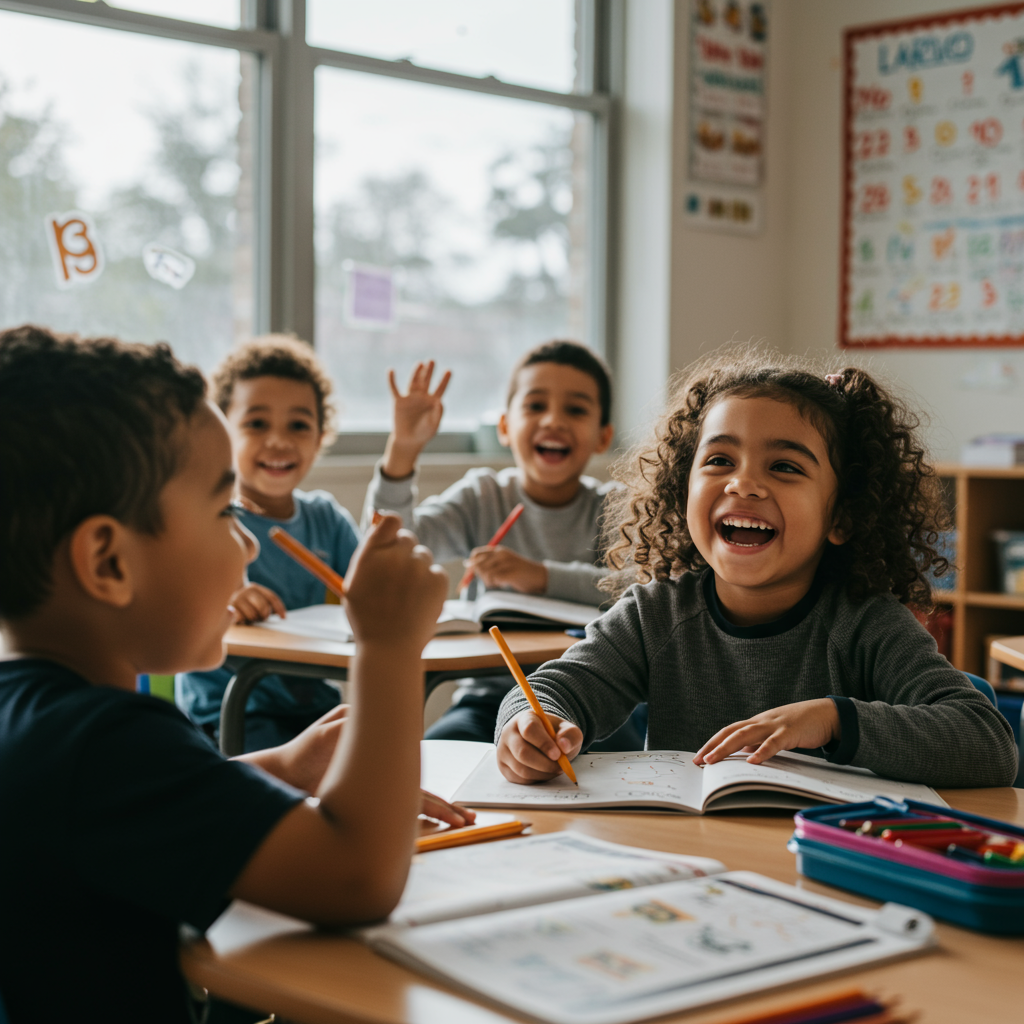
Imagine a classroom where children effortlessly switch between two languages, opening doors to new cultures, ideas, and opportunities. Bilingual education is more than just learning a second language; it represents a powerful tool in shaping versatile, globally-minded individuals ready to thrive in our increasingly interconnected world. This educational approach is gaining traction as parents and educators recognize its immense value beyond simple language acquisition.
In today’s global society, the ability to speak multiple languages fluently is becoming an essential skill rather than just an academic advantage. According to numerous studies, bilingual education offers lifelong benefits that extend well beyond the classroom. It supports cognitive development, enriches academic performance, and fosters deeper cultural appreciation. As globalization connects us across borders, bilingual individuals stand out as adaptable, capable communicators who can navigate diverse social and professional landscapes with ease.
Yet, the journey toward bilingual proficiency and the educational frameworks supporting it can often seem complex and elusive to many parents, students, and educators. Questions arise such as how bilingual education impacts cognitive growth, academic success, and social development. For example, many wonder whether balancing two languages may confuse young learners or delay their progress in either language. Understanding the true benefits and realistic expectations of bilingual education can help families and schools make informed decisions and embrace this enriching path confidently.
Bilingual education is not just about adding another language skill; it’s about cultivating a mindset that embraces diversity, critical thinking, and lifelong learning. It empowers students to connect with their cultural heritage while preparing them for future challenges in a global economy. This approach nurtures empathy, enhances communication abilities, and even contributes to greater social inclusivity, making it a comprehensive developmental asset for children in multicultural societies.
What You’ll Learn in This Guide
This guide will provide an insightful look into the multifaceted advantages of bilingual education. Whether you’re a parent considering this path for your child or an educator looking to incorporate bilingual programs, you’ll find valuable information to help navigate this rewarding educational journey.
- Cognitive Benefits: Discover how bilingual education enhances brain function, including improved executive function, memory, and even the potential to delay cognitive decline. We’ll explain the science behind these advantages and how they translate into daily learning and problem-solving.
- Academic Advantages: Learn how bilingualism can improve literacy, test scores, and overall academic engagement. We’ll discuss how mastering two languages can open doors to enhanced reading, writing, and even mathematical skills.
- Social and Cultural Benefits: Explore how bilingual education fosters better communication skills, cultural identity, and inclusivity. Understand how these social skills prepare students for diverse environments and strengthen their connection to their roots and communities.
- Economic and Career Benefits: Understand the long-term professional advantages bilingual individuals enjoy, including increased job opportunities, higher earning potential, and improved networking capabilities across global markets.
By exploring these dimensions, this guide aims to shed light on why bilingual education is regarded as a transformative experience in both personal and academic development. Armed with this knowledge, you’ll be well-prepared to support or implement bilingual education strategies that maximize children’s potential.
Looking ahead, this article will delve into the various models and methods of bilingual education, such as immersion programs, dual language instruction, and transitional bilingual education. These strategies offer different pathways tailored to diverse learner needs and educational goals. We will also address common challenges and practical considerations to help families and educators navigate the complexities associated with bilingual education.
Throughout this exploration, you’ll find real-world examples, expert insights, and actionable advice to guide your decision-making process. Whether you are new to this topic or seeking to deepen your understanding, this comprehensive overview intends to equip you with everything necessary to appreciate and harness the benefits of bilingual education fully.
Embracing bilingual education means investing in a future where students are not only linguistically skilled but also culturally sensitive and cognitively sharp. As we move forward, let’s embark on this learning journey together to explore how bilingual education can shape well-rounded, successful individuals prepared for the opportunities and challenges of tomorrow’s world.
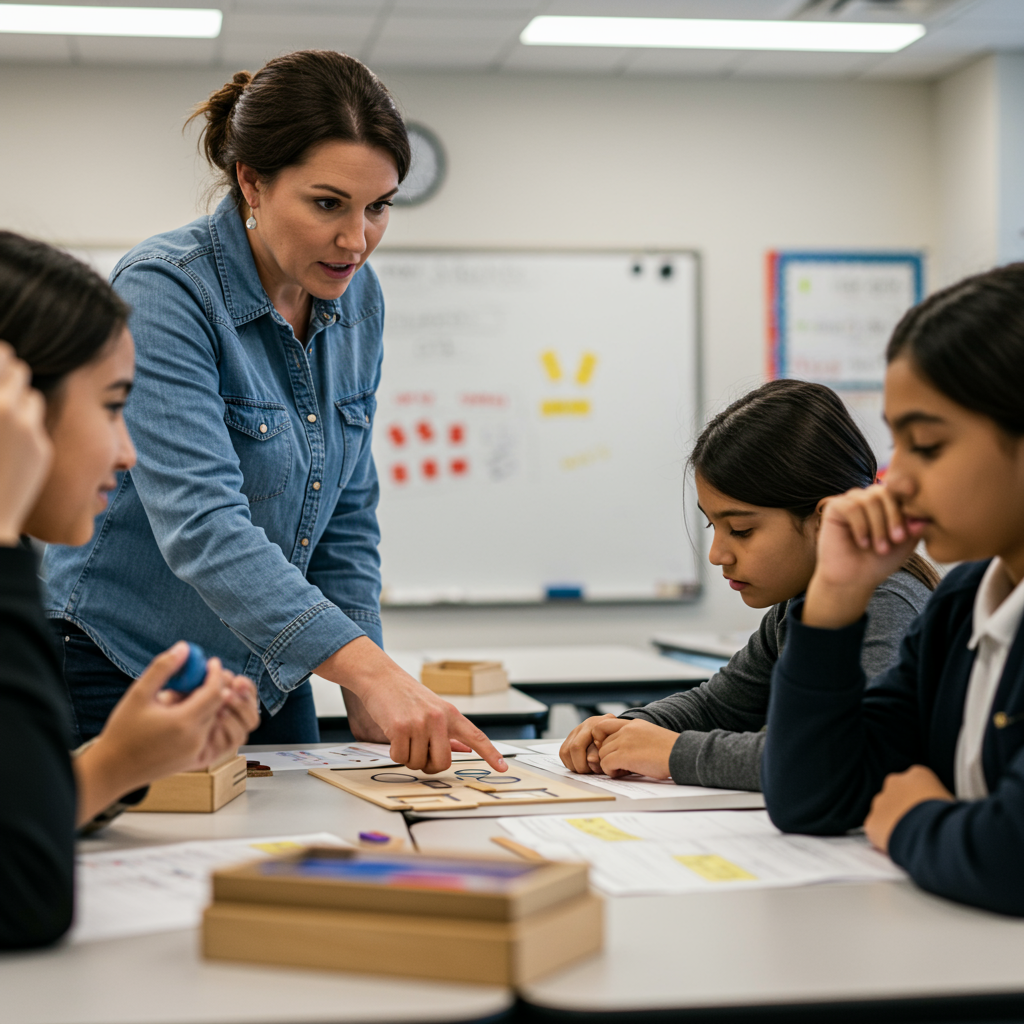
As bilingual education gains increasing recognition worldwide, it stands as a powerful educational approach that equips learners not only with dual language abilities but also with diverse cognitive and social advantages. Building on the introductory overview, this discussion delves deeply into two pivotal facets of bilingual education—its cognitive benefits and its academic advantages. These topics highlight why bilingual education is not just a method of language learning, but a holistic developmental tool that primes students for success in an interconnected world. By understanding the intricate ways bilingualism influences brain function and academic performance, educators and parents can appreciate the substantial long-term value this approach offers.
Cognitive Benefits of Bilingual Education
The cognitive advantages of bilingual education are among its most celebrated attributes, attracting researchers and educators alike. Learning two languages concurrently challenges the brain, fostering enhanced mental flexibility and strengthening executive function skills. These improvements translate to better problem-solving capabilities, more effective multitasking, and heightened attention control. In fact, bilingual individuals often excel in managing competing tasks and maintaining focus, skills essential in fast-paced, modern environments. By continuously navigating between languages, the brain adapts to switch and regulate mental processes efficiently, which naturally boosts cognitive control.
Beyond daily mental agility, bilingual education also enhances memory. Working memory—the system responsible for temporarily holding and manipulating information—becomes more robust in bilingual learners. This boosts not only language retention but also learning capacity across subjects. Moreover, research suggests bilingualism may provide protective effects against cognitive decline, potentially delaying the onset of dementia and other age-related impairments. This neurological resilience is believed to stem from the constant mental stimulation involved in managing multiple languages.
Key Aspects of Cognitive Benefits
Below are the fundamental cognitive perks derived from bilingual education that illustrate its comprehensive impact:
- Improved Executive Function: Bilingual learners develop stronger abilities in tasks requiring planning, inhibition, and working memory. These skills enable effective problem-solving and enhance multitasking performance by reducing interference from irrelevant information.
- Better Memory: The continuous practice of juggling languages builds a more efficient working memory system, facilitating enhanced information retention and recall beyond language tasks to general academic material.
- Delayed Cognitive Decline: Studies indicate bilingualism contributes to brain health by increasing cognitive reserve. This helps delay symptoms of dementia and other conditions linked to aging, offering a long-term neurological advantage.
- Increased Mental Flexibility: Switching between languages promotes adaptability in thought processes. Bilingual individuals often show greater creativity, open-mindedness, and capacity to approach problems from multiple perspectives.
Academic Advantages of Bilingual Education
Bilingual education also brings significant academic benefits that enhance overall student achievement. By learning in two languages, students gain enriched literacy skills that extend into better reading and writing proficiencies in both their native and second languages. This dual-language mastery often translates into superior performance on standardized tests, encompassing reading comprehension, vocabulary, and math reasoning. The cognitive strength gained from managing two languages likely contributes to these improved academic outcomes.
Furthermore, bilingual education fosters cultural awareness, an increasingly vital skill in today’s diverse societies. Students exposed to multiple languages inherently develop a broader understanding and appreciation of different cultures, encouraging empathy and global-mindedness. This cultural competency creates a supportive learning environment and cultivates interpersonal skills that benefit academic collaboration and social integration. Educators often observe that bilingual students display greater curiosity and openness that enrich classroom dynamics.
Important Considerations for Academic Advantages
These points highlight the educational gains evident in bilingual education programs:
- Enhanced Literacy Skills: Bilingual education improves proficiency in reading and writing in both languages. Students learn to recognize language structures, expand vocabulary, and develop comprehension strategies that support academic success.
- Higher Standardized Test Scores: Evidence shows bilingual students frequently outperform monolingual peers on standardized tests, particularly those assessing language arts and mathematical reasoning, reflecting the cognitive and learning benefits of bilingualism.
- Greater Cultural Awareness: Exposure to diverse languages opens doors to cultural understanding and respect, enriching student perspectives and encouraging inclusive attitudes within and beyond the classroom.
- Improved Problem-Solving Skills: The intellectual challenge of bilingual learning promotes analytical thinking and cognitive flexibility, enhancing academic reasoning abilities across disciplines.

Conclusion
Bilingual education stands as a transformative approach that extends far beyond simple language acquisition. Its rich benefits resonate across cognitive development, academic success, social growth, and career readiness. By learning two languages simultaneously, students cultivate enhanced mental agility, refining their ability to juggle tasks, switch perspectives, and retain information more effectively. These cognitive advantages not only sharpen everyday thinking and problem-solving but may also contribute to long-term brain health by delaying cognitive decline in later years.
Academically, bilingual learners often demonstrate superior skills in literacy and standardized testing compared to their monolingual peers. This advantage arises from their deeper understanding of syntax, vocabulary, and cultural context, which enriches their overall engagement with educational content. Beyond academics, bilingual education fosters cultural sensitivity and inclusivity by helping students build bridges between diverse communities. The social benefits include improved communication skills, a strengthened sense of cultural identity, and greater empathy, which are essential qualities in today’s globally connected world.
Economically, bilingual education paves the way for expanded career prospects and higher earning potential. Those proficient in multiple languages find themselves better positioned to navigate international markets, engage with diverse clients, and build extensive professional networks. The investment in bilingual learning thus pays dividends not only in personal development but also in professional success.
For families and educators considering bilingual programs, the diversity of available models—ranging from immersion to dual language and transitional approaches—provides flexible pathways suited to varying needs and goals. While challenges such as ensuring sufficient resources, maintaining balanced language development, and fostering parental support exist, these can be addressed through collaboration and thoughtful planning. Embracing bilingual education requires commitment, but the rewards are profound and multifaceted.
To take actionable next steps, parents and educators should start by exploring local bilingual education opportunities and assessing which program aligns best with the learner’s language background and academic objectives. Engaging with teachers and experts can provide insights into how to support language development both at school and home. Encouraging consistent use of both languages in everyday settings helps solidify skills and fosters confidence. Additionally, advocating for resources and community involvement strengthens the foundation for sustainable bilingual learning environments.
In closing, bilingual education is more than an academic trend; it is a lasting strategy for nurturing well-rounded, adaptable individuals equipped to thrive amid cultural diversity and a fast-evolving global economy. By fostering cognitive growth, academic excellence, social inclusivity, and career advancement, bilingual programs open doors to exciting opportunities for today’s learners and tomorrow’s leaders. As more families and schools embrace this approach, the future promises a generation of empowered multilingual communicators shaping a more connected, understanding world.
Frequently Asked Questions
-
Is bilingual education suitable for all children?
- While many children benefit, it’s important to consider individual learning needs and readiness to ensure success.
-
Does bilingual education delay language development?
- Research generally shows bilingual education does not delay language development and may enhance overall language skills.
-
What are the best bilingual education models?
- Immersion and dual language programs are widely effective, tailored to different goals and learner backgrounds.
-
Can bilingual education improve academic performance?
- Many studies indicate bilingual students often achieve higher literacy and test scores, reflecting improved academic outcomes.
-
How can parents support bilingual learning at home?
- Consistent practice, reading in both languages, and family encouragement help reinforce bilingual skills effectively.