Table of Contents
Introduction
Picture this: you’re watching your toddler stack blocks, completely absorbed in their little world of discovery. What you’re witnessing isn’t just play—it’s the foundation of everything they’ll become. Every parent dreams of giving their child the best possible start in life, filled with opportunities and happiness. But here’s something that might surprise you: those crucial early years? They’re doing more heavy lifting than you might realize.
Early childhood education isn’t just about keeping kids busy while parents work (though let’s be honest, that’s important too). It’s about shaping how your child will learn, interact, and grow for the rest of their life. The research is pretty clear on this one—kids who get quality early education don’t just do better in kindergarten. They’re stronger readers, better problem-solvers, and more confident learners throughout their school years. And the social skills they pick up? Those stick around too. We’re talking cooperation, empathy, and emotional regulation—basically, the stuff that helps them navigate friendships and challenges down the road. If you’re curious about just how significant this stage really is, check out the importance of early childhood education for a deeper dive into how these early experiences shape development.
Now, early childhood programs come in all shapes and sizes. You’ve got traditional preschools, daycare centers that focus on learning, and even family-based programs that work around your schedule. Each one has its own approach to supporting your child’s growth—from building language skills to developing physical coordination and emotional intelligence. The trick is finding the right fit for your specific situation and your child’s personality. Some kids thrive in structured environments, while others need more flexibility. Want to explore your options? The guide on early childhood education programs breaks down the different types and what to look for when choosing.
Here’s where things get really interesting—early education today looks nothing like it did when we were kids. Technology is changing how children learn, and honestly, it’s pretty amazing to watch. We’re talking about personalized learning experiences, interactive environments that keep kids engaged, and tools that actually make learning fun. (Remember when educational technology meant watching a VHS tape?) Understanding these education technology trends can help you see how modern programs are evolving to meet kids where they are. And something else that’s getting more attention these days? The connection between early education and mental health. Good programs don’t just teach ABCs and 123s—they help kids build confidence, manage emotions, and develop resilience. The link between education and mental health is something every parent should understand.
What You’ll Learn in This Guide
Ready to become your child’s best advocate when it comes to early education? We’ve got you covered. Here’s exactly what we’ll walk through together:
- Foundations of Early Childhood Education: What it actually means, what good programs focus on, and why these early years matter so much for your child’s future success.
- Benefits and Long-Term Impact: The real ways early education supports your child’s brain development, social skills, and emotional growth—plus what that means for their academic future.
- Identifying Readiness and Choosing Programs: How to tell when your child is ready, what questions to ask programs, and how to find the perfect match for your family’s needs.
- Supporting Early Learning at Home: Simple ways to boost what they’re learning in the classroom, plus how play-based learning can happen anywhere (yes, even during grocery shopping).
Throughout this guide, we’ll give you practical advice you can actually use, insights from education experts, and resources that actually help. For instance, if you’re thinking about getting involved in your child’s curriculum planning, understanding how to create effective lesson plans can help you better communicate with teachers and support learning at home. And if you’re considering bilingual education (which, by the way, has some incredible cognitive benefits), we’ll point you toward everything you need to know about the benefits of bilingual education.
Look, choosing the right early education path takes some thought. Every child develops at their own pace, and what works for your neighbor’s kid might not be perfect for yours. But with the right information and a clear understanding of your options, you can set your child up to not just succeed, but truly thrive. Ready to explore what early childhood education can do for your family? Let’s dig in.
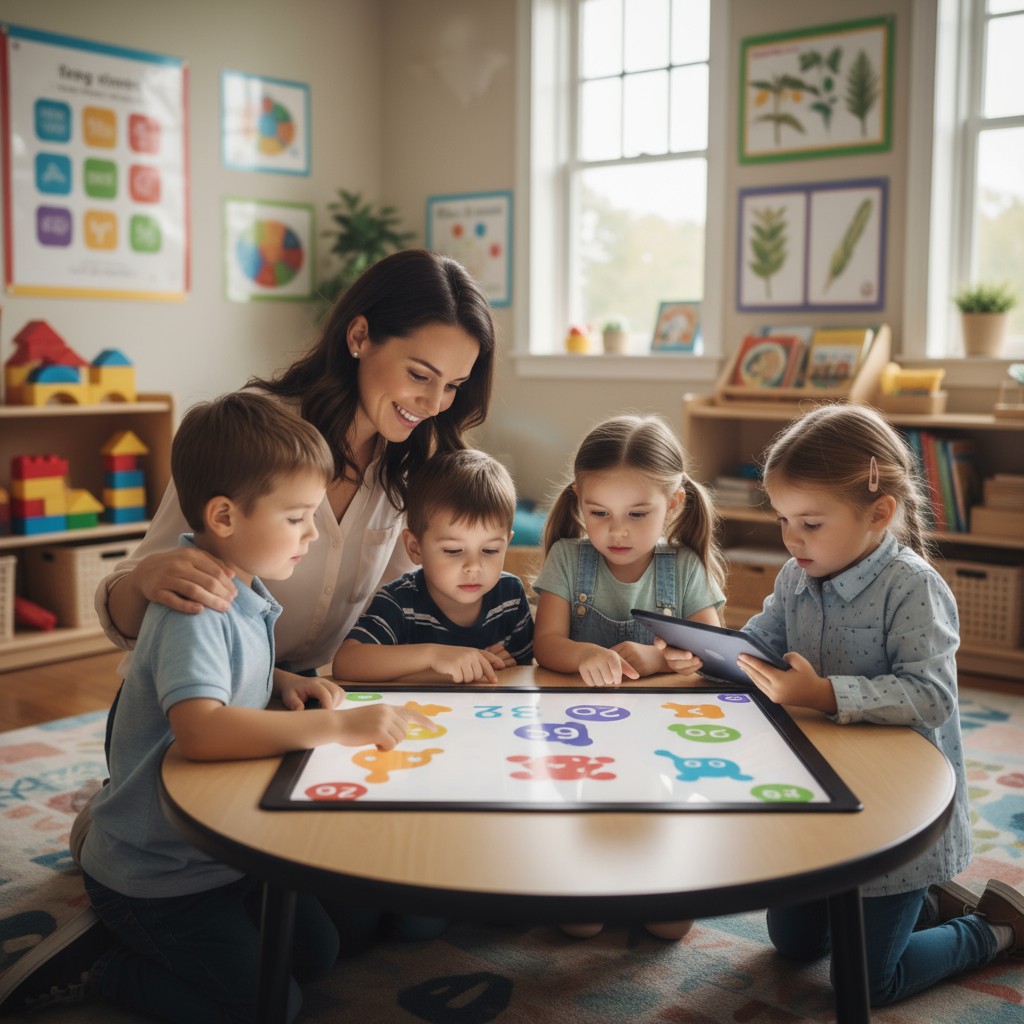
We’ve already talked about why early childhood education matters so much for lifelong development. Now let’s dig into what it actually looks like and why the benefits are so incredible. Think of early childhood education as your child’s first real foundation—the place where cognitive, social, emotional, and physical growth all come together. It’s not just about ABCs and 123s (though those matter too). We’re talking about structured learning that feels like play, social interactions that teach life skills, and experiences specifically designed for how young minds actually work. When you understand what’s happening during these early years, you can make better choices about your child’s education—choices that align with who they are and what they need to thrive.
Defining Early Childhood Education and Its Core Elements
So what exactly is early childhood education? Simply put, it’s everything that happens between birth and eight years old that helps your child learn and grow. This isn’t just formal schooling—it’s the whole journey of discovery during those crucial early years. The magic happens when three key pieces work together: curricula designed specifically for young learners, play-based learning (because that’s how kids naturally explore their world), and social-emotional growth through meaningful interactions. These aren’t separate things—they’re all connected, working together to help your child develop in every way possible. If you want to understand how different programs structure these elements, check out this guide on early childhood education programs for insights into what makes these frameworks so effective.
Here’s something that might surprise you: play isn’t just fun and games—it’s serious learning. When children play, they’re actually building problem-solving skills, creativity, and critical thinking abilities. Pretty amazing, right? Then there’s the emotional side of things. Kids learn to recognize their feelings, express them in healthy ways, and manage the big emotions that can feel overwhelming when you’re little. And socialization? That’s where the real magic happens. Children learn cooperation, empathy, and how to communicate with others—skills they’ll use for the rest of their lives. Technology is also changing how we approach early learning, and understanding education technology trends can help you see how digital tools are making learning even more engaging and effective.
Key Aspects of Early Childhood Education
What makes early childhood education really work? Let’s break down the essential pieces that create successful learning experiences for young children:
- Developmentally Appropriate Curriculum: This means teaching in ways that match where your child is developmentally. It’s not about pushing academic skills too early—it’s about finding that sweet spot where learning feels natural and exciting, balancing academics with creativity and physical activity.
- Play-Based Learning Methods: Here’s the beautiful truth: play is how children naturally learn best. Through play, they safely explore their world while building language skills, motor abilities, and critical thinking—all without feeling like they’re in a formal classroom.
- Social Interaction and Emotional Growth: When children work together, share, and communicate, they’re developing empathy and emotional intelligence. These aren’t just nice-to-have skills—they’re essential for success in school and life.
- Parental and Educator Involvement: You know your child best, and when that knowledge combines with educator expertise, incredible things happen. Strong home-school connections create consistent, supportive environments where children truly flourish.
Understanding these components helps you support your child’s unique journey. Every child develops differently, and that’s completely normal. The key is honoring their individual timeline while providing rich, nurturing experiences. Ready to explore how these early investments pay off? Let’s look at the incredible long-term benefits that quality early childhood education provides.
Benefits and Lasting Impact of Early Childhood Education
The benefits of early childhood education don’t just last a few years—they follow children throughout their entire lives. Research shows us something remarkable: kids who experience quality early education programs consistently show stronger cognitive skills, better social behaviors, and healthier emotional development as they grow up. We’re talking about real, measurable outcomes like better grades, higher graduation rates, and greater career success down the road. Want to dive deeper into why these early years matter so much? This resource on the importance of early childhood education shows just how significant these early investments really are.
But here’s what really gets me excited: early education builds the life skills that matter most in our rapidly changing world. Communication, problem-solving, teamwork—these are the abilities that employers value and that help people navigate life’s challenges with confidence. The social and emotional skills children develop during these early years create resilience and adaptability that serve them well into adulthood. It’s not just about preparing for school; it’s about preparing for a fulfilling life and meaningful contribution to society. Speaking of mental well-being, understanding the connection between education and mental health helps us see how supportive early environments promote lifelong emotional wellness.
Long-Term Advantages of Early Education
Why is investing in early childhood education one of the smartest things we can do? Here are the lasting benefits that research consistently shows:
- Improved Academic Performance: Quality early education gives children a head start in literacy, math, and critical thinking that carries through elementary school, high school, and beyond. It’s like giving them a strong foundation to build on.
- Enhanced Social Skills and Behavior: Early socialization teaches children how to cooperate, resolve conflicts, and appreciate diversity—skills that make all the difference in forming positive relationships throughout life.
- Higher Career and Economic Success: Here’s something encouraging: people with strong early education backgrounds are more likely to find stable jobs, earn better incomes, and contribute positively to their communities’ economic health.
- Reduced Societal Costs: When we invest in early education, we see fewer needs for remedial programs later, lower crime rates, and reduced dependence on social services. It’s a win-win for everyone.
These lasting impacts show us why choosing the right early childhood education program is so important. It’s about matching your child’s developmental stage with programs that reflect your family’s values and priorities. But how do you know when your child is ready? Let’s explore the signs to look for and how to choose a program that truly serves your child’s needs.
Identifying Readiness and Choosing Quality Early Education Programs
Timing matters when it comes to early education, but here’s the thing—every child develops at their own pace. You’ll want to watch for key signs: Is your child communicating more clearly? Are they showing curiosity about other children? How are their motor skills developing? Do they seem ready for a bit more independence? These developmental milestones give you clues about readiness. For more insights into recognizing these important signs, this resource about the importance of early childhood education can guide you in understanding what to look for. Once you feel your child might be ready, the next step is finding a high-quality program with proper accreditation, qualified teachers, and a safe, nurturing environment. This detailed guide on early childhood education programs can help you evaluate your options effectively.
Choosing the right program involves more than just convenience or cost (though those factors matter too). You want to find a place where your child will feel safe, excited to learn, and truly seen as an individual. Look at their educational philosophy—does it align with your values? What about teacher-child ratios? How do they handle safety and communication with parents? These details matter more than you might think. And in our digital age, it’s also worth understanding how programs address technology access and equity. Exploring issues around education and the digital divide can help you advocate for fair learning opportunities for all children.
Key Criteria for Selecting Early Education Programs
When you’re evaluating early childhood programs, here are the essential factors that can help you make the best choice for your family:
- Accreditation and Curriculum Quality: Look for programs that meet recognized standards and offer curricula that balance structure with flexibility. The best programs know how to make learning feel natural and enjoyable while still being effective.
- Teacher Qualifications and Child-to-Teacher Ratios: You want educators who truly understand early childhood development and can give your child the individual attention they deserve. Smaller ratios mean more personalized care and stronger relationships.
- Safe, Stimulating Environment: Your child should feel physically and emotionally safe while having access to engaging learning materials. The environment should invite exploration while maintaining clear boundaries and expectations.
- Parental Engagement and Communication: The best programs welcome your involvement and keep you informed about your child’s progress. You should feel like a valued partner in your child’s learning journey, not just a customer.
Here’s what every parent should know: early childhood education isn’t just about preparing kids for kindergarten. It’s about building the foundation for everything that comes after. When you nurture cognitive abilities, social skills, and emotional intelligence during these crucial early years, you’re setting your child up for success that reaches far beyond the classroom. The key components—developmentally appropriate curricula, play-based learning, and meaningful social interaction—work together like pieces of a puzzle. Understanding how they fit helps you see why quality early education does so much more than teach ABCs and 123s. And here’s the thing: recognizing when your child is ready and finding programs that match both their unique personality and your family’s values? That creates an environment where real growth happens. This approach builds knowledge, sure—but it also develops resilience, creativity, and confidence that stick with kids for life.
The long-term benefits? They’re pretty remarkable. Research keeps showing us how early childhood education boosts academic performance, helps kids develop better social behaviors, and increases their chances of career success down the road. These advantages don’t just help individual children—they strengthen entire communities and reduce the costs we all face when kids need extra help later on. Today’s best programs have also embraced educational technology and mental health support, giving children the tools they need to thrive in our rapidly changing world. When you’re choosing the right program, you’ll want to look at factors like accreditation, teacher qualifications, safety measures, and the overall classroom environment. These elements are crucial for giving your child the optimal start they deserve.
Ready to put this knowledge into action? Start by exploring comprehensive resources like early childhood education programs that break down different types and benefits specifically designed for young learners. If you want hands-on support with instructional planning and getting more involved as a parent, learning how to create effective lesson plans can really empower you to advocate for your child’s learning needs. Staying current on the latest education technology trends helps you understand how modern tools make learning more engaging and personalized. Don’t forget about the important connection between education and mental health—this knowledge promotes a supportive approach that nurtures emotional well-being right alongside academic growth. For a broader perspective on how education impacts society and opens career doors, exploring careers in public health offers valuable insight into how education contributes to community health and lasting success.
Starting this journey with clear intentions and solid knowledge puts you in the driver’s seat when it comes to providing the best foundation for your child’s future. Remember, investing in early childhood education is really an investment in lifelong achievement, happiness, and well-being. With the right resources and support, you can confidently choose programs that truly inspire and empower your little one. Take these steps today—nurture your child’s potential with care and make informed decisions that pave the way for a bright and successful tomorrow.
Frequently Asked Questions
-
At what age should early childhood education begin?
- Typically between ages 3 and 5, but it depends on the child’s individual development and readiness.
-
How does early childhood education impact social skills?
- It fosters cooperation, empathy, communication, and emotional regulation, essential for healthy relationships and lifelong success.
-
What should parents look for in a program?
- Accreditation, qualified teachers, safe environments, and curricula that support holistic development.
-
Can early childhood education help with language development?
- Yes, exposure to language-rich activities and social interaction supports communication skill growth.
-
When is it necessary to seek professional advice?
- When a child shows delayed developmental milestones or exhibits concerns that require expert evaluation.