Table of Contents
Introduction
Think about the last song that gave you goosebumps. Maybe it was a childhood lullaby, your wedding song, or that track you blast when you need motivation. Music does something incredible—it reaches right into our souls and connects us in ways that words alone never could. Now picture a world where kids never get the chance to learn music, where they miss out on discovering rhythm, melody, and the pure magic of creating something beautiful with their own hands. Whether you’re a parent watching your child’s eyes light up during their first piano lesson, a student looking for ways to boost your focus, or someone who’s always wondered if it’s too late to start learning an instrument, music education offers gifts that keep giving throughout your entire life.
Here’s what’s fascinating: learning music isn’t just about playing songs or impressing friends at parties (though that’s pretty cool too). It’s actually rewiring your brain in amazing ways. We’re talking improved memory, sharper attention, better problem-solving skills—the works. Research keeps showing us how music learning helps with emotional balance and mental health, making it way more than just a nice hobby. For anyone curious about how technology is making music education even more accessible and engaging, check out these latest education technology trends that are completely changing how we learn music and other subjects.
But wait—there’s more to this story. Ever noticed how musicians seem to work well together? That’s no accident. Music education builds incredible social skills through band practice, choir rehearsals, and just jamming with others. You learn to listen, communicate, and appreciate different perspectives (musical and otherwise). These aren’t just skills for young students either—adults diving into music often find meaningful connections and a real sense of belonging they didn’t expect. Speaking of unexpected benefits, the research on education and mental health reveals how activities like music learning provide genuine emotional support, reduce stress, and contribute to overall happiness. Plus, resources like these mental health awareness guides can help both learners and teachers create environments where everyone thrives.
What’s really interesting is how music education connects with other learning adventures. Take language learning, for example—the same brain pathways that help you master a violin piece also light up when you’re picking up a second language. The benefits you’ll find in bilingual education mirror what happens in music learning, and if you’re a visual learner, you’ll love how music connects with specialized study methods that work with your learning style. For educators and parents ready to weave music into their teaching, these lesson planning resources offer practical guidance for creating engaging experiences that stick.
What You’ll Learn in This Guide
Ready to explore why music education is such a game-changer? This guide breaks down everything you need to know, whether you’re just starting to consider music lessons or looking to deepen your understanding of why music matters so much.
- Cognitive Development: Discover how music education supercharges your brain—boosting memory, sharpening attention, enhancing language skills, and even helping with math by giving your mental muscles a serious workout.
- Emotional and Psychological Benefits: Learn why music is like therapy you can actually enjoy—from managing stress and building confidence to giving you the perfect outlet for expressing what words can’t capture.
- Social Skills and Collaboration: Find out how making music with others teaches you to be a better teammate, communicator, and global citizen while building friendships that can last a lifetime.
- Academic and Career Advantages: Explore the surprising ways music education can boost your grades, teach you discipline, improve time management, and even open doors to careers you never considered.
As we dive deeper, you’ll also get practical tips for bringing music education into your home or classroom—because knowing the benefits is just the beginning. If you’re interested in building critical thinking skills (and music is fantastic for this), these critical thinking development resources will give you even more tools to work with.
Throughout this guide, we’ll look at real examples and solid research that show exactly how music education makes a difference in people’s lives. And because balancing music practice with everything else can be tricky, we’ll point you toward helpful tips for creating study schedules that actually work. The goal? To give you the knowledge and inspiration to embrace music learning as a lifelong adventure.
So whether you’re a curious student, a dedicated teacher, a supportive parent, or someone who’s always believed it’s never too late to learn something new, you’re in for a treat. The next sections will show you exactly how music education can unlock potential, spark creativity, and enrich your life in ways you might never have imagined. Let’s dive in and discover why music truly is for everyone.
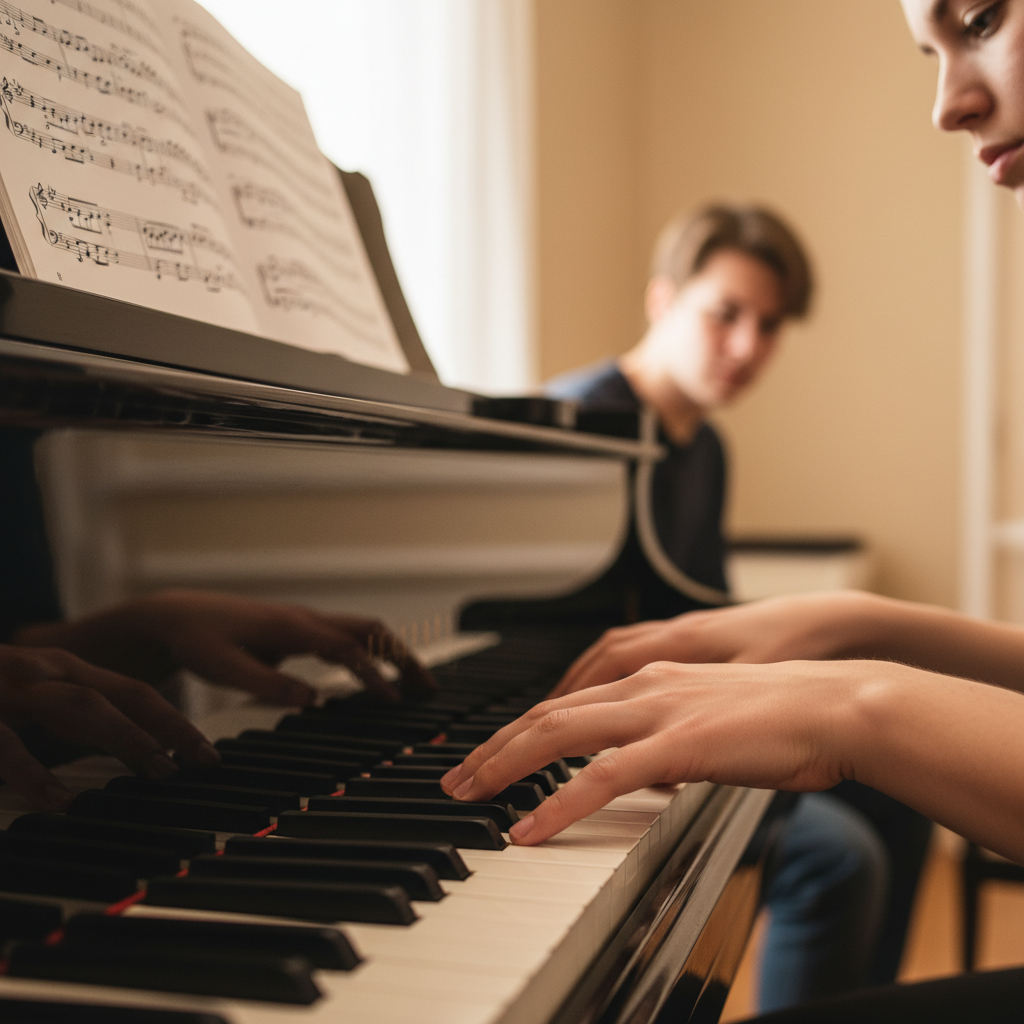
We’ve already talked about how music education transforms lives, but let’s dig into the specifics. Because here’s what’s really fascinating—music doesn’t just make you better at playing an instrument. It literally rewires your brain for cognitive development, emotional health, and social skills that stick with you for life. These aren’t just feel-good benefits either. We’re talking about real improvements in memory, focus, language skills, and even math abilities. Pretty incredible, right? Once you understand these core advantages, you’ll see why music education isn’t just a nice-to-have—it’s essential for personal growth. And the best part? These benefits create a ripple effect that builds emotional resilience and social collaboration skills you’ll use everywhere.
Cognitive Development through Music Education
Your brain on music? It’s like a supercharged computer. Music education doesn’t just teach you to play notes—it transforms how your mind works. Think about it: when you’re mastering an instrument or wrapping your head around music theory, you’re activating multiple brain regions at once. The result? Sharper memory, laser focus, and problem-solving skills that serve you well beyond the practice room.
Here’s something cool—that disciplined practice actually strengthens your working memory and trains you to focus intensely on tasks. Whether you’re a kid learning your first song or an adult picking up piano, these skills transfer directly to academic work and real-world challenges. And if you’re someone who learns best through visual cues (like reading sheet music and recognizing patterns), you might want to check out these effective study methods for visual learners to maximize your musical learning potential.
But wait—there’s more. Music education is like a secret weapon for language development. All that listening and sound production? It’s training your brain to process language better, expanding your vocabulary naturally. And here’s where it gets really interesting: the rhythms and patterns you learn in music directly connect to mathematical thinking. You’re recognizing sequences, understanding timing, working with proportions—basically doing math without realizing it.
This multi-layered brain workout creates better problem-solvers and analytical thinkers. Plus, there’s a strong connection between music education and mental health that’s worth understanding. If you want to explore how education and mental health work together, you’ll see how cognitive stimulation through music supports psychological well-being too.
Key Aspects of Cognitive Development
Let’s break down the main cognitive benefits you can expect from music education:
- Improved Memory and Concentration: All those notes, scales, and sequences you memorize? They’re giving your working memory a serious workout. The focus you develop transfers to other complex tasks, making you better at sustaining attention when it matters most.
- Enhanced Language Skills: Music sharpens how you process sounds and recognize speech patterns—skills that are crucial for vocabulary building and language learning. You’ll notice improvements in reading and communication too.
- Boosted Mathematical Abilities: Rhythms, beats, and musical structures work the same brain pathways as mathematical reasoning. This natural overlap boosts your pattern recognition and number skills.
- Problem-Solving and Critical Thinking: Music constantly challenges you to interpret, adapt, and make creative decisions. These critical thinking skills become second nature and apply far beyond musical situations.
These cognitive benefits give you a real edge in academic and professional settings. Now that you understand how music rewires your brain, let’s explore how it works its magic on your emotional and social well-being.
Emotional and Social Benefits of Music Education
Here’s where music education gets really personal. Playing music isn’t just mentally stimulating—it’s incredibly therapeutic. When you engage with music, your body literally relaxes, lowering stress hormones like cortisol. It’s like having a built-in stress relief system. Speaking of stress management, if you’re looking for more ways to keep stress in check, these stress management techniques offer additional strategies that complement what music already does for your mental health.
But the emotional benefits go deeper than just relaxation. Successfully performing music—whether it’s nailing a difficult piece or playing in front of others—builds genuine self-confidence. It gives you a safe space to express complex emotions authentically, which is incredibly valuable for emotional development.
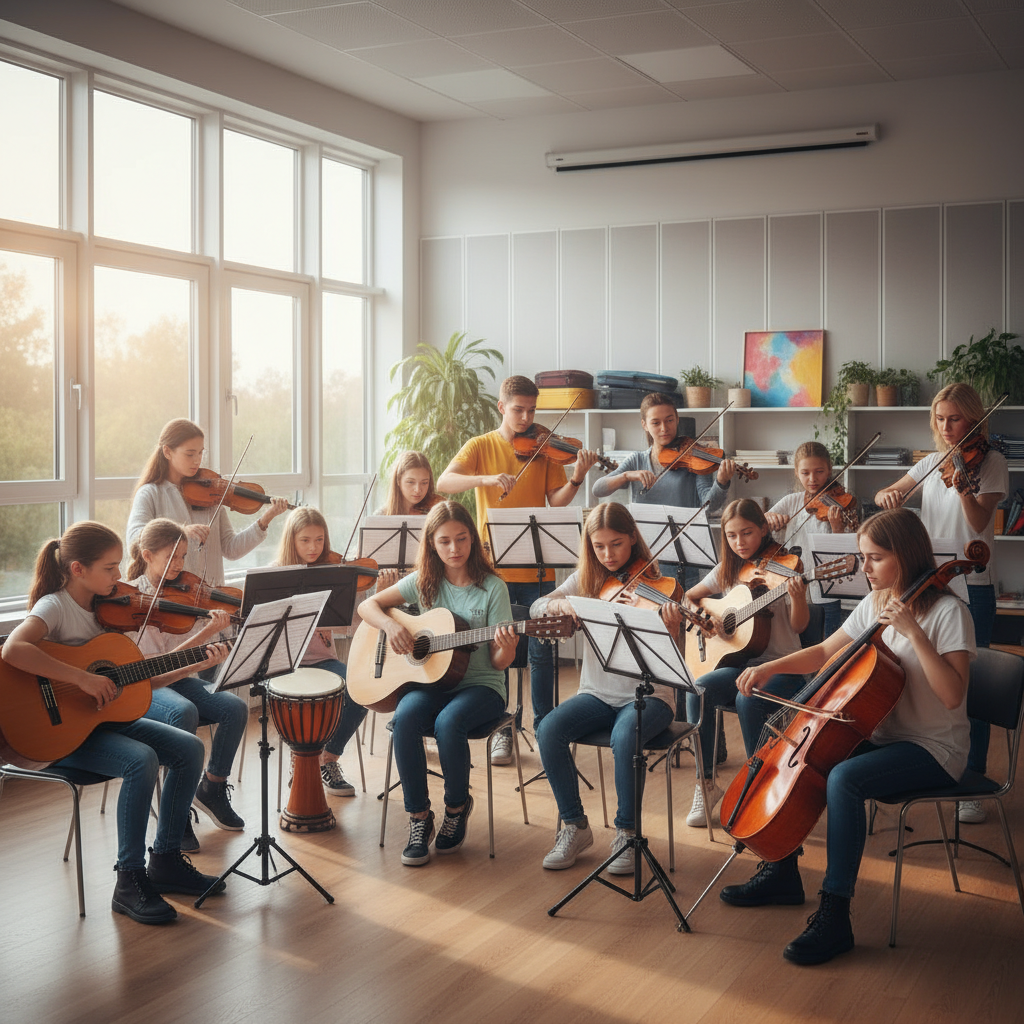
On the social side, music education is like a masterclass in collaboration. Think about it: ensemble playing and group performances require cooperation, active listening, and shared responsibility. You learn to work as a team while creating something beautiful together. Plus, exploring different musical styles opens your mind to other cultures, building empathy and social understanding. The friendships you form through music often last a lifetime because you’re connecting through something meaningful and creative.
Key Aspects of Emotional and Social Benefits
Here’s how music education transforms your emotional and social life:
- Stress Relief and Relaxation: Playing or listening to music triggers your body’s relaxation response, reducing stress hormones and helping you mentally recharge. It’s like meditation, but more fun.
- Boosted Self-Esteem and Confidence: Mastering musical skills and performing for others creates genuine feelings of achievement. This confidence carries over into other areas, helping you tackle challenges with greater self-assurance.
- Emotional Expression: Music provides a healthy outlet for working through feelings and emotions. This builds emotional intelligence and gives you better coping strategies for life’s ups and downs.
- Teamwork in Ensembles: Group music-making teaches cooperation, communication, and attentive listening—skills that make you more effective in social interactions and teamwork situations throughout life.

Here’s what I love about music education—it changes everything. Not just for kids, but for anyone who decides to dive in. We’re talking about real, measurable benefits that touch every part of your life: how you think, how you feel, how you connect with others, and yes, even how you perform in school or at work.
Let’s start with your brain. Music literally rewires it. When you’re learning to play an instrument or reading music, you’re giving your memory a serious workout. Your attention sharpens. Problem-solving becomes second nature. And here’s something cool—those language and math skills you’ve been struggling with? Music helps with those too. It’s not magic; it’s neuroscience.
But music does something else that’s just as important. It gives you a way to handle life’s ups and downs. Stressed out? Pick up that guitar. Feeling overwhelmed? Sit down at the piano. There’s something deeply therapeutic about making music—it’s like having a built-in stress relief system. Plus, there’s nothing quite like the confidence boost you get when you nail that difficult piece you’ve been practicing for weeks.
And then there’s the social side of things. Music brings people together in ways that few other activities can. You learn to work as a team, communicate without words, and appreciate different cultures through their musical traditions. I’ve seen shy kids blossom into confident performers, and adults form friendships that last decades—all because they shared a music stand.
Now, if you’re wondering how to actually make this happen (especially in today’s digital world), you’ll want to check out the latest education technology trends. Technology has completely transformed how we can teach and learn music. Think interactive apps, virtual reality concerts, and online collaboration tools that let students play together from different continents.
Planning effective music lessons? That’s where solid preparation comes in. Our guide on how to create lesson plans will walk you through creating lessons that actually stick. Because let’s be honest—a boring music lesson defeats the whole purpose.
Speaking of purpose, we can’t ignore the mental health piece. Music education isn’t just about learning notes and rhythms; it’s about creating safe spaces where students can express themselves. Understanding the connection between education and mental health helps teachers and parents create environments where kids (and adults) can thrive emotionally while they learn.
Want to dig deeper into educational approaches that complement music learning? The benefits of bilingual education show similar cognitive advantages—turns out learning multiple languages and learning music both wire your brain for success. If you’re working with visual learners (and many musicians are), exploring study methods for visual learners can make all the difference. And since music naturally develops analytical thinking, brushing up on critical thinking skills creates a perfect educational combo.
Look, music education isn’t about churning out the next Mozart (though that would be cool). It’s about giving people—whether they’re 5 or 85—tools to think better, feel better, and connect with others. It’s about creativity, discipline, and yes, pure joy.
So whether you’re a teacher looking to jazz up your classroom, a parent considering piano lessons for your kid, or an adult who’s always wondered “what if”—the research is clear. Music education works. It transforms lives in ways both big and small. And honestly? In a world that can feel pretty chaotic sometimes, we could all use a little more music.
Frequently Asked Questions
-
At what age should children start music education?
- Children can begin as early as toddlerhood with age-appropriate activities to foster early musical skills and enjoyment.
-
Does music education improve academic performance?
- Yes, music education is linked to higher achievement in reading, math, and overall school performance through enhanced cognitive skills.
-
Are there benefits of music education for adults?
- Absolutely, adults gain cognitive stimulation, emotional benefits, and social connections from ongoing music learning.
-
What if I don’t have musical talent?
- Music education values learning and enjoyment over innate talent; anyone can benefit from the experience with practice and support.
-
How can I support my child’s music education?
- Encourage regular practice, attend performances, and create a positive, supportive environment at home to nurture growth and confidence.