Table of Contents
Introduction
Picture this: your eight-year-old switches effortlessly from explaining math homework in English to chatting with their grandmother in Spanish. No hesitation. No confusion. Just pure, natural bilingual magic happening right before your eyes.
That’s the power of dual language immersion programs. And honestly? They’re changing everything we thought we knew about how kids learn languages. These programs don’t just teach students to speak two languages—they help them think, dream, and problem-solve in both. It’s pretty incredible when you see it in action.
But here’s what really gets me excited about these programs: they’re not just about language anymore. Sure, kids become fluent in two languages while keeping up with all their regular schoolwork. But there’s so much more happening beneath the surface. When you dig into the benefits of bilingual education, you’ll discover how bilingualism actually rewires kids’ brains for better problem-solving and creativity. Many schools are getting creative with their approaches too—some start as early as possible because early childhood education programs show the biggest impact when languages are introduced young. And with all the new tech tools available, these programs are becoming more engaging than ever (check out how education technology trends are revolutionizing language learning). The real magic happens when kids don’t just learn about other cultures—they live them, breathe them, understand them from the inside out.
Now, I know what you’re thinking. “This sounds amazing, but will it actually work for my child?” It’s a fair question—one that keeps a lot of parents up at night. The research is pretty reassuring though. Kids in these programs often outperform their peers in critical thinking and multitasking. But (and this is important) not all programs are created equal. The curriculum design matters. Teacher qualifications matter. The daily structure and how they balance both languages? That matters too. When these pieces come together with skilled educators who really understand bilingual teaching, something beautiful happens—kids thrive academically while becoming truly global citizens.
Choosing the right program feels overwhelming at first. You’ve got public schools, private options, charter schools—each with their own approach and resources. Some factors to consider: your child’s learning style, how much support you can provide at home, and what you’re hoping to achieve long-term. Interestingly, many parents are also looking at how these programs connect to bigger picture issues like education and sustainability—because raising bilingual kids often means raising kids who care about the world beyond their own backyard. The key is finding the right fit and knowing where to get help when you need it.
What You’ll Learn in This Guide
We’re going to walk through everything you need to know about dual language immersion programs, step by step. Here’s what we’ll cover:
- Understanding Dual Language Immersion: We’ll break down what these programs actually are, the different types you’ll encounter, and how they work in schools around the world.
- Benefits for Students: From brain development to social skills and academic success, you’ll see exactly how bilingual immersion transforms kids’ lives and opens doors for their future.
- Program Implementation: Get the inside scoop on curriculum design, what makes a great bilingual teacher, and what a typical day looks like in these classrooms.
- Choosing the Right Program: Learn the essential questions to ask, what to look for, and how to match a program to your child’s specific needs and your family’s goals.
Throughout this guide, you’ll get practical insights that help you make confident decisions about your child’s education. We’ll also point you toward helpful resources like lesson plan creation techniques if you want to dig deeper into the educational side of things.
Here’s the thing about dual language immersion programs—they’re so much more than language classes. They’re about raising kids who see the world as their classroom, who connect with people from different backgrounds naturally, and who approach challenges with flexibility and creativity. Whether you’re a parent exploring options, an educator considering implementation, or a policy maker thinking about community impact, understanding these programs helps you support the next generation of global thinkers.
Ready to explore this amazing world of bilingual education? We’ll give you everything you need to understand how these programs work, why they’re so effective, and how they’re shaping kids who are comfortable anywhere in the world. Let’s dive in and discover what makes dual language immersion such a game-changer for students, families, and communities.

So you’ve gotten the basics of dual language immersion programs—now let’s dig into what really makes them tick. These programs don’t just help kids become bilingual (though that’s pretty amazing on its own). They’re actually rewiring young brains in ways that boost thinking skills, social awareness, and academic performance. With our world becoming more connected every day, understanding how these programs work—and why they work so well—gives parents, teachers, and education leaders the insights they need to help kids thrive in a multilingual future.
Understanding the Structure and Implementation of Dual Language Immersion Programs
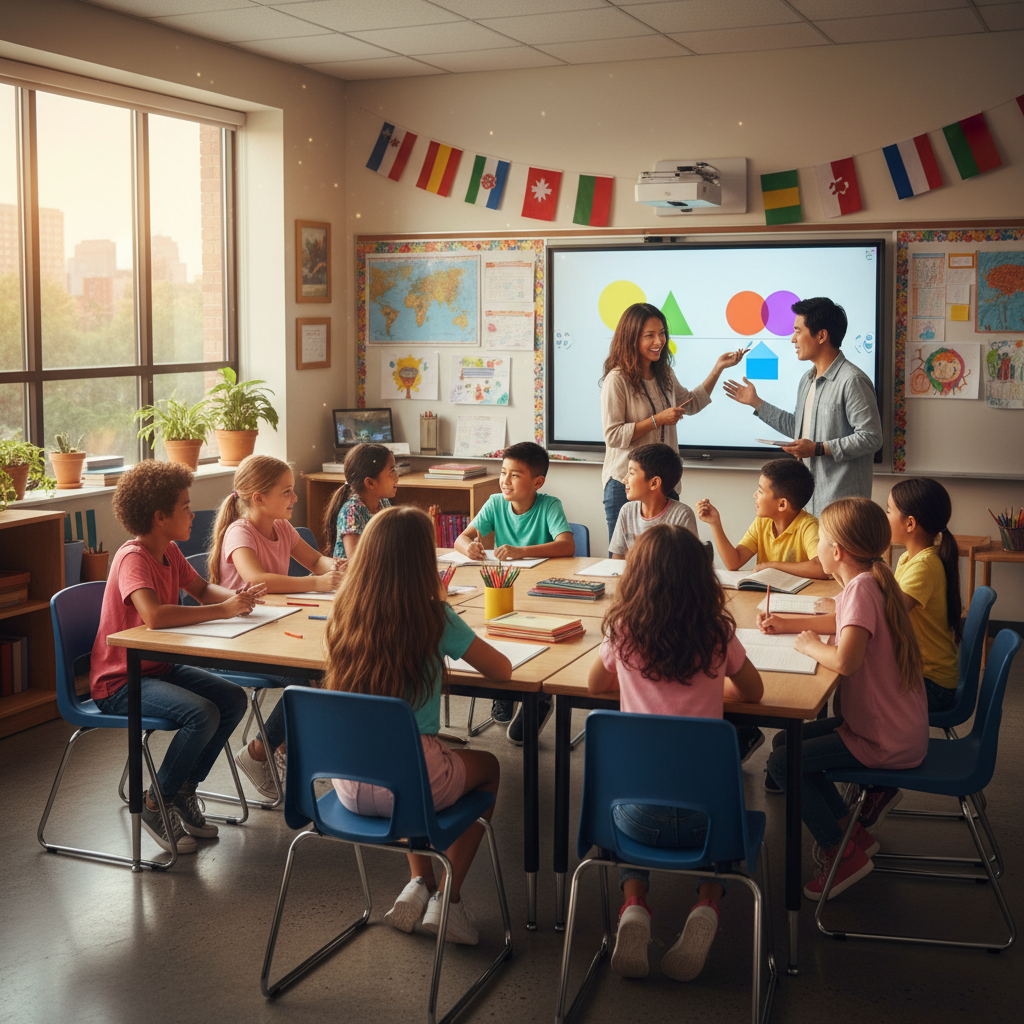
Here’s what dual language immersion really looks like in practice: students get taught in two languages, with the goal of making them truly fluent and literate in both. Think of it like building two strong bridges instead of one wobbly one. The key is balance—schools dedicate serious chunks of time to each language, so kids develop rock-solid skills across the board. Teachers looking to strengthen their approach might want to check out lesson planning strategies that work particularly well for bilingual education.
But here’s where it gets interesting—these programs aren’t one-size-fits-all. Two-way immersion brings together native speakers of both languages, creating this incredible environment where kids learn from each other while sharing their cultures. One-way immersion typically focuses on students who speak primarily one language at home, adding a second language to their toolkit. Then you’ve got partial immersion programs that use the target language for maybe 30-50% of instruction time—perfect for schools that are just starting out or have specific goals in mind. Getting these programs up and running successfully? That often means investing in professional development for educators, because teaching bilingually requires some specialized skills.
Key Components of Dual Language Immersion
What makes these programs actually work? It comes down to several crucial pieces that all need to fit together just right:
- Balanced Language Instruction: This isn’t about giving one language 70% and the other 30%—we’re talking real balance here. Both languages get equal time and attention, preventing one from taking over completely.
- Age-Appropriate Materials: You can’t just translate adult content and call it good. Everything from books to worksheets needs to match where kids are developmentally, keeping them engaged without overwhelming them.
- Integration of Cultural Content: Language and culture go hand in hand. When students learn about traditions, holidays, and perspectives from both cultures, the language learning becomes richer and more meaningful.
- Qualified Bilingual Teachers: This might be the most important piece. Teachers need more than just fluency—they need training in how to teach in immersion settings and support students who are learning in their second language.
Once you understand these building blocks, the daily magic of dual language immersion starts making sense. Every decision—from choosing textbooks to training teachers—is designed to support students becoming confident, capable bilinguals.
Exploring the Comprehensive Benefits of Dual Language Immersion Programs
Now for the really exciting part—what do kids actually get out of all this? Way more than just speaking two languages, it turns out. Research keeps showing us that bilingual students develop supercharged thinking skills: better problem-solving, stronger memory, and an amazing ability to juggle multiple tasks. (If you’re curious about other ways to boost brain power, you might find brain-boosting nutrition interesting too.)
The social benefits are just as impressive. Kids in immersion programs tend to be more empathetic, better communicators, and way more comfortable with different cultures. Think about it—when you’re constantly switching between languages and cultural contexts, you naturally become more flexible and understanding. Academically? These students often outshine their monolingual peers on standardized tests and show stronger reading and writing skills overall. That’s setting them up for success throughout their educational journey and beyond. Speaking of educational innovations, the field is constantly evolving with new education technology trends that can enhance these learning experiences even further.
Key Benefits to Students
Let’s break down why parents and schools are choosing dual language immersion for their kids:
- Cognitive Benefits: We’re talking about mental muscles that get stronger with bilingual training—enhanced problem-solving, better memory, and improved multitasking abilities that help in every subject and real-life situation.
- Social and Cultural Benefits: Students develop genuine cultural awareness, deeper empathy, and communication skills that make them comfortable in diverse settings. They’re essentially becoming global citizens.
- Academic Advantages: The numbers don’t lie—better test scores, stronger reading and writing skills, and a solid foundation that supports learning across all subjects.
- Long-Term Economic and Career Opportunities: In today’s global economy, bilingualism opens doors. Higher earning potential, more job opportunities, and the ability to work in international settings—these advantages last a lifetime.
When you look at all these benefits together, it’s clear why dual language immersion isn’t just about learning languages—it’s about preparing kids for a world where flexibility, cultural understanding, and strong thinking skills matter more than ever. The students coming out of these programs aren’t just bilingual; they’re equipped with a whole toolkit for success.
Here’s what I love about dual language immersion programs—they’re not just teaching kids another language. They’re building little cognitive powerhouses. Think about it: while your child is learning to switch between Spanish and English (or whatever language combo their school offers), their brain is getting a serious workout. We’re talking better problem-solving skills, sharper memory, and the kind of multitasking abilities that’ll serve them well into adulthood. But the real magic? It’s watching them develop genuine empathy and cultural awareness. These kids don’t just tolerate differences—they celebrate them.
Now, let’s be realistic about what it takes to make these programs work. You can’t just throw two languages at kids and hope for the best. (Trust me, I’ve seen schools try.) You need thoughtful curriculum planning, teachers who are genuinely bilingual—not just “took Spanish in college” bilingual—and an environment where kids feel safe to make mistakes in both languages. For parents trying to figure out if this is right for their child, here’s my advice: look at your local options first. What’s actually available? Then think about your child’s personality and your family’s long-term goals. Some kids thrive in immersion settings; others need a different approach.
Want to dig deeper into this? I’d recommend checking out our detailed breakdown of the benefits of bilingual education—it’ll give you the full picture of what dual language immersion can do for your child’s development. If you’re an educator reading this, you’ll want to explore our guide on how to create lesson plans that actually work in bilingual classrooms. And here’s something cool—the latest education technology trends are making language learning more interactive than ever. Plus, don’t overlook the power of brain-boosting nutrition to support all that cognitive development happening in those busy little minds.
Look, choosing dual language immersion is a big decision. But when you see your child effortlessly chatting with their abuela in Spanish, then helping their English-speaking friend with homework? That’s when you know you made the right call. These programs don’t just teach language skills—they’re raising global citizens who see the world as one big, connected community. You’ve got the information now. You know what to look for and what questions to ask. The rest? That’s up to you and what feels right for your family. Just remember: the earlier you start this journey, the more natural it becomes for them. The world is getting smaller every day, and bilingual kids? They’re already ahead of the game.
Frequently Asked Questions
-
What age is best to start a dual language immersion program?
- Early childhood is ideal, but programs can benefit students of various ages by adapting to their development and learning pace.
-
Are dual language immersion programs effective for monolingual students?
- Yes, these programs help monolingual students develop bilingual skills and cultural awareness, enhancing their academic and social growth.
-
Will dual language immersion programs delay English language development?
- No, research shows these programs support and often improve English proficiency while building another language simultaneously.
-
How do I find dual language immersion programs near me?
- Check local school districts, charter schools, and education department resources for available options and enrollment information.