Table of Contents
Introduction
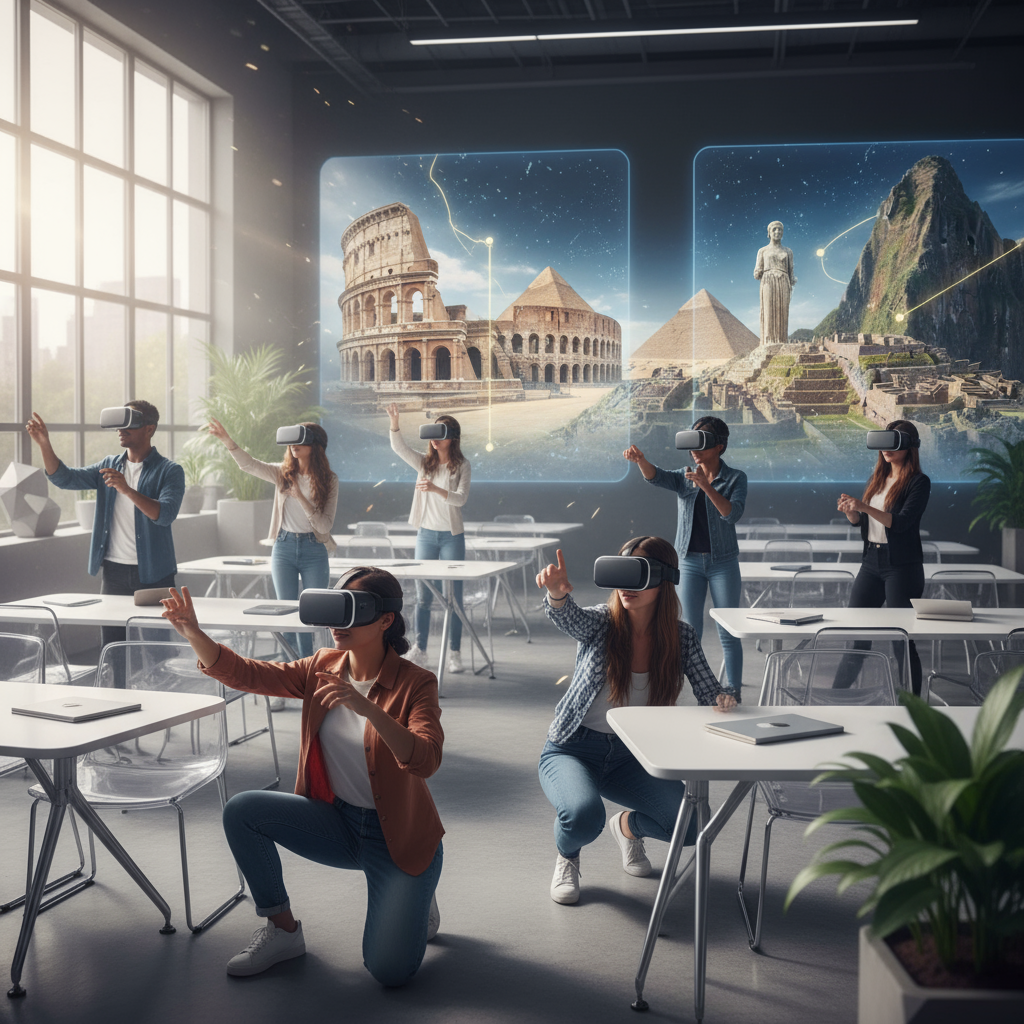
Picture this: you’re teaching about ancient Rome, and instead of showing pictures in a textbook, your students are actually walking through the Colosseum. They can hear the crowds, feel the atmosphere, and truly understand what gladiatorial combat meant to Roman society. This isn’t science fiction anymore—it’s Virtual Reality transforming how we teach and learn. And honestly? It’s pretty incredible.
VR in education isn’t just another tech fad that’ll disappear in a few years. It’s genuinely changing how students absorb information and how teachers can reach every learner in their classroom. Think about those students who struggle with traditional textbooks but light up when they can explore concepts hands-on. VR gives us that power—whether we’re simulating chemistry experiments that would be too dangerous in a real lab or letting students experience historical events firsthand. For educators looking to integrate this effectively, understanding how to create lesson plans that incorporate VR elements is absolutely essential.
What’s exciting is that VR doesn’t work alone. It’s part of a bigger educational revolution that includes AI, augmented reality, and other innovations that are reshaping our classrooms. Keeping up with these education technology trends isn’t just helpful—it’s necessary if we want to stay relevant as educators. These tools work together to create learning environments that actually engage students, which ties directly into what we know about how to motivate students through interactive, hands-on approaches like project-based learning examples.
Here’s what really gets me excited about VR: it levels the playing field. Students with different learning abilities, physical limitations, or even just different learning styles can all access the same rich experiences. This connects beautifully with what we understand about education and mental health—creating supportive environments where every student can succeed. VR also opens up amazing possibilities for language learning, offering the same kind of immersive benefits we see in benefits of bilingual education and the interactive approaches found in the best language learning websites.
What You’ll Learn in This Guide
We’re going to explore VR in education from every angle—the good, the challenging, and the absolutely mind-blowing. By the time you’re done reading, you’ll have a clear picture of how this technology can work in your classroom or institution.
- The Transformative Benefits: How VR boosts student engagement and makes abstract concepts suddenly click through immersive experiences that change everything.
- Wide-ranging Applications: Real examples of VR working in science labs, history classes, language learning, and tech education—plus what actually works in practice.
- Challenges and Limitations: The honest truth about costs, accessibility hurdles, and content development challenges that schools face when adopting VR.
- Future Innovations: What’s coming next in VR education and how to prepare for changes that are already on the horizon.
We’ll also look at how VR fits into broader educational strategies, including the role of education and innovation and how smart education leadership styles can help schools embrace these changes successfully. And we can’t ignore the elephant in the room: education and the digital divide. Making sure VR benefits reach all students, regardless of their economic background, is crucial to its success.
The applications go beyond just classroom instruction, too. VR supports inclusive education through specialized education support services, helping students with disabilities access learning in ways that weren’t possible before. Even early childhood education is being transformed, building on what we know about the importance of early childhood education by introducing young learners to concepts through safe, engaging virtual exploration.
The bigger picture is fascinating. VR isn’t developing in isolation—it’s part of a wave of educational innovation that includes AI and other technologies. Looking at broader patterns in technology integration in classrooms helps us understand how schools can successfully implement these tools to improve both teaching effectiveness and student outcomes. Plus, AI-powered platforms that personalize learning work hand-in-hand with VR’s immersive capabilities, creating opportunities for students interested in pursuing educational technology careers.
Throughout this guide, we’ll walk through specific examples: virtual science labs where students can experiment safely, historical simulations that bring the past to life, and language learning environments where students can practice in realistic settings. But we’ll also tackle the practical stuff—like budget constraints and the reality of creating quality VR content.
Whether you’re an educator curious about bringing VR into your classroom, an administrator considering institutional adoption, or just someone fascinated by how technology is changing education, this guide will give you the insights you need. Ready to explore how virtual reality is reshaping the future of learning? Let’s dive in.
Virtual reality is changing education faster than most of us can keep up with. What started as a cool tech novelty has become a genuine game-changer in classrooms around the world. We’re talking about transforming how students learn—taking them from passive observers to active participants in their education. Building on what we’ve already covered, let’s dig into the real meat of this revolution: how VR is reshaping what it means to teach and learn, and why educators everywhere are paying attention. We’ll walk through the standout benefits that make VR worth the investment, explore how different subjects are using this technology (spoiler: it’s not just for tech classes), and tackle the honest challenges teachers face when bringing VR into their classrooms. Plus, we’ll peek at what’s coming next. Because here’s the thing—understanding VR’s role in education isn’t just about staying current with trends. It’s about recognizing a fundamental shift in how we can reach and teach students.
Benefits of Virtual Reality in Education
Let’s cut to the chase: VR brings something to the classroom that traditional methods simply can’t match. Imagine your students completely absorbed in learning—not because you’re entertaining them, but because they’re actually inside the subject matter. That’s what we’re talking about here. VR creates these incredibly immersive worlds where abstract concepts suddenly make sense, where “boring” topics become adventures, and where every student—regardless of their learning style—can find a way in. And here’s what really gets me excited: it levels the playing field. Students who struggle with traditional classroom setups? They often thrive in VR environments. Kids who can’t take field trips due to budget constraints or physical limitations? Virtual reality brings the world to them.
But here’s where it gets really practical. Remember those science experiments that were too dangerous or expensive to actually do in class? VR handles that. Students can blow things up, mix volatile chemicals, or explore the inside of a volcano—all safely. They can repeat the experience until they truly get it, without worrying about wasting materials or causing accidents. The beauty is in the personalization too. Each student can move at their own pace, get instant feedback, and tackle concepts from multiple angles until something clicks. Recent studies back this up with hard data: students using VR consistently show better learning outcomes and retention rates. For teachers wondering if VR is worth the investment, these benefits paint a pretty compelling picture.
Key Aspects of VR Benefits in Education
Here’s what makes VR such a powerful educational tool:
- Enhanced Learning Experience: VR drops students right into the middle of whatever they’re studying. Complex theories become visual, touchable experiences. When you can walk through a molecule or witness the Battle of Gettysburg firsthand, learning stops being abstract and starts being unforgettable.
- Accessibility and Inclusion: This technology doesn’t care if you’re in rural Montana or downtown Chicago—if you have physical limitations or financial constraints. VR delivers the same high-quality educational experiences to everyone, creating opportunities that simply didn’t exist before.
- Practical Skill Development: Want to practice surgery without risking a patient’s life? Operate heavy machinery without the safety concerns? VR creates risk-free training environments where students can fail, learn, and try again until they master critical skills.
- Improved Engagement and Motivation: Let’s be honest—when learning feels like playing, students pay attention. VR taps into that natural curiosity and competitive spirit, making collaboration and participation feel effortless rather than forced.
These aren’t just nice-to-have features—they’re the reasons why schools are restructuring budgets to make VR happen. As we look at specific subject areas next, you’ll see how these general benefits translate into real classroom wins across completely different disciplines.
Applications of Virtual Reality in Different Educational Fields
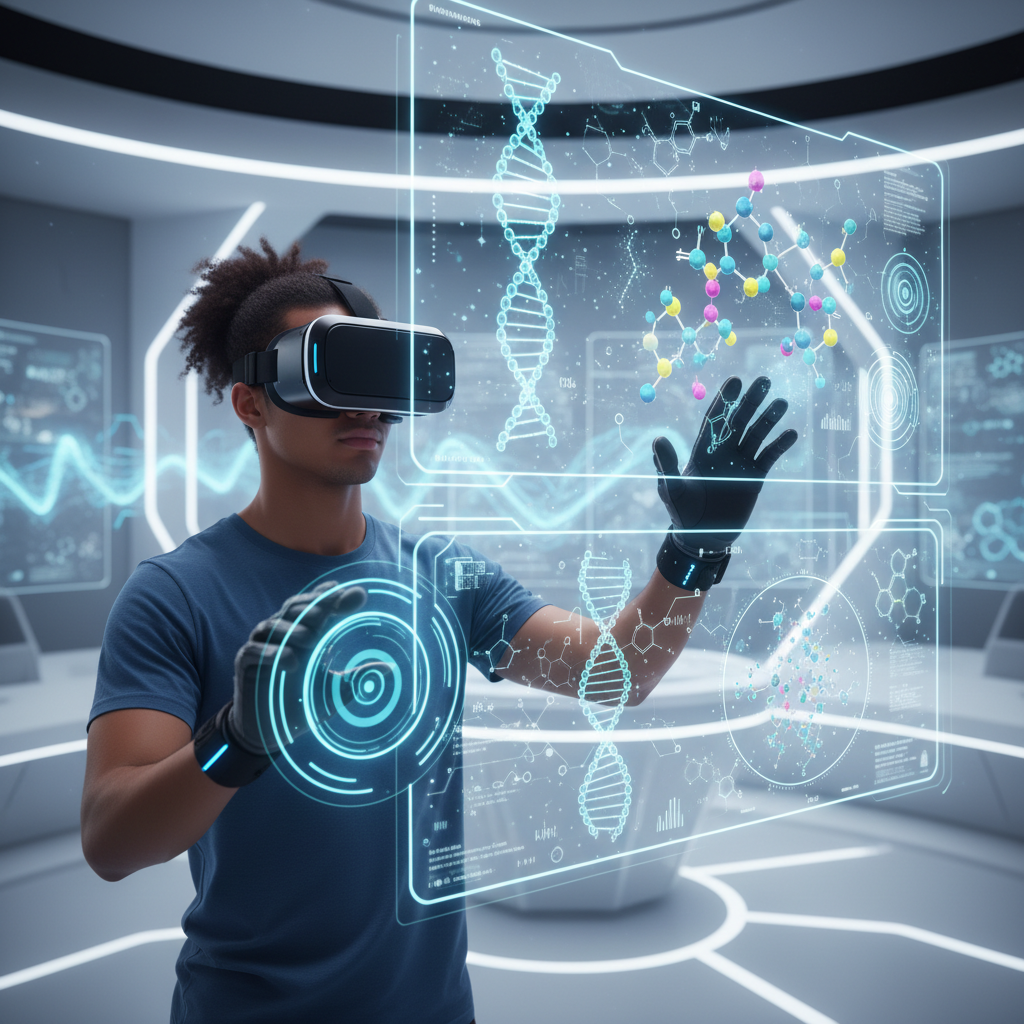
Now let’s talk specifics. Science classrooms are having a field day with VR—students can manipulate DNA strands, trigger chemical reactions, and design engineering prototypes without ever stepping into a physical lab. No more “sorry, we don’t have enough materials for everyone to try this.” History classes? They’re literally time-traveling. Students walk through ancient Rome, stand on Civil War battlefields, and experience different cultures from the inside out. You can see why social studies teachers are becoming VR evangelists. Then there’s language learning, which honestly might be VR’s sweet spot. Instead of awkward role-playing exercises, students find themselves ordering coffee in Paris or giving directions in Tokyo, building confidence in low-pressure environments that feel surprisingly real.
What strikes me most is how naturally VR adapts to each subject’s unique needs. It’s not trying to replace traditional teaching—it’s amplifying what already works while solving problems that have frustrated educators for years. Every field is finding its own creative applications, from art students sculpting in 3D space to medical students practicing procedures they won’t encounter in real life for years. The challenge now isn’t whether VR can enhance education (we know it can), but rather how to choose the right applications and integrate them thoughtfully into existing curricula. Smart implementation makes all the difference between genuine educational value and expensive tech for tech’s sake.
Key Applications of VR in Education Fields
Here’s where VR is making the biggest impact across different subjects:
- Science and Technology: Virtual labs are revolutionizing STEM education—students conduct experiments that would be impossible in traditional classrooms, visualize complex processes in real-time, and develop critical thinking through hands-on discovery.
- History and Social Studies: Time travel isn’t science fiction anymore. Students explore ancient civilizations, witness historical events, and develop cultural understanding that goes far beyond what any textbook could provide.
- Language and Arts: Immersive environments create authentic practice opportunities for language learners, while creative arts benefit from limitless virtual studios where imagination becomes the only constraint.
- Technical and Vocational Training: From operating complex machinery to practicing workplace scenarios, VR provides safe, repeatable training that builds real-world skills without real-world risks or costs.
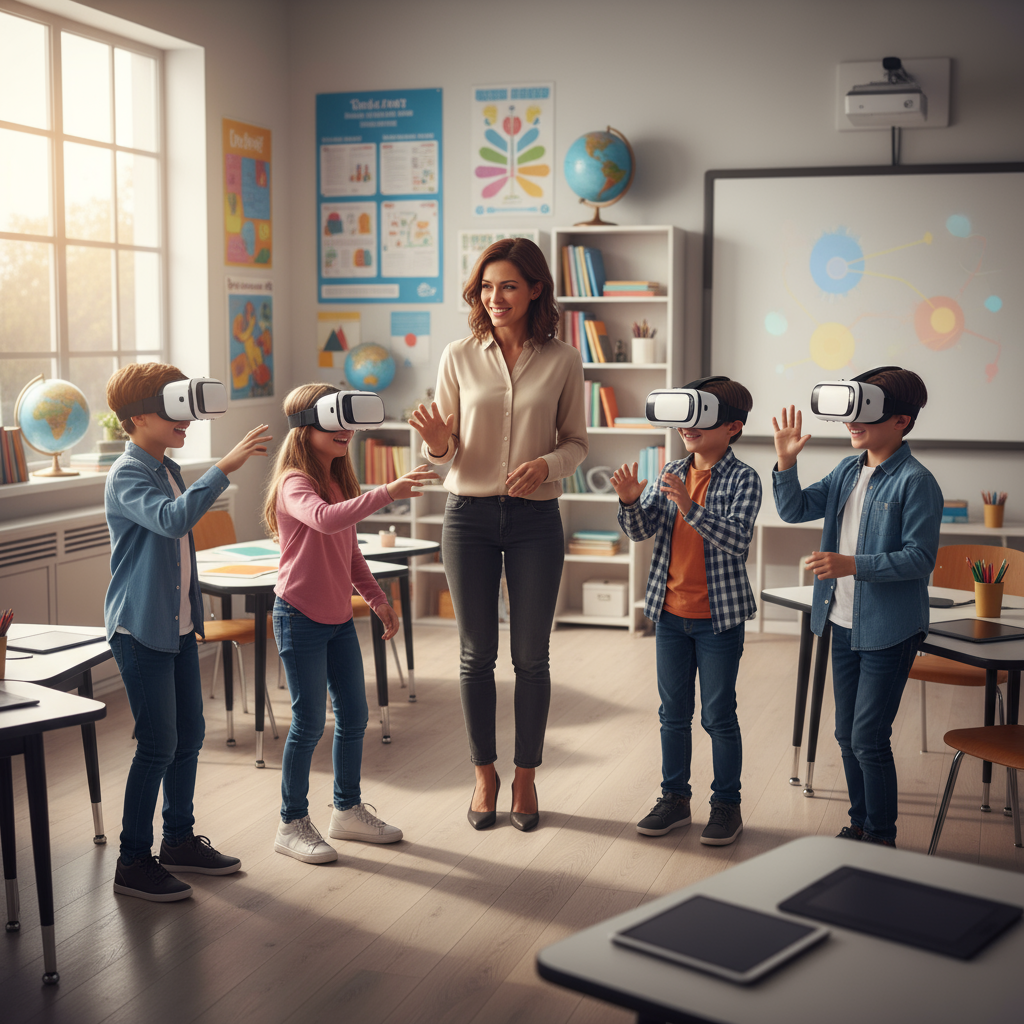
Here’s the thing about virtual reality in education—it’s changing everything. And I mean that in the best possible way. Think about it: when was the last time you saw students genuinely excited about learning? VR makes that happen. Instead of reading about ancient Rome, students can walk through the Colosseum. Rather than memorizing chemical formulas, they can actually see molecules interact right in front of them. It’s like having a time machine, a teleporter, and a laboratory all rolled into one.
But what really gets me excited is how VR levels the playing field. That student who struggles with traditional textbooks? They might be a visual learner who absolutely thrives in a virtual environment. The kid who can’t afford field trips? Now they can explore the Great Barrier Reef from their classroom. VR doesn’t just teach—it includes. And in today’s world, that matters more than ever.
Now, let’s be realistic here. VR isn’t magic, and it’s not without its challenges. The equipment costs real money—sometimes serious money. Finding quality educational content that actually fits your curriculum? That’s still a work in progress. And yes, some students do get motion sickness (though that’s getting better with newer technology). But here’s what I’ve learned: the benefits far outweigh the hurdles when you approach VR thoughtfully.
If you’re ready to dive into VR education, start smart. Use solid lesson planning as your foundation—check out this guide on how to create lesson plans to build meaningful VR experiences. Stay current with education technology trends so your VR strategy fits your bigger picture. Remember, engaged students learn better—these motivation strategies work beautifully with immersive learning. Consider how project-based learning can amplify VR’s impact on critical thinking. And don’t forget the human element—understanding the connection between education and mental health helps you create truly supportive learning environments. For educators looking to specialize, exploring careers in educational technology might just be your next big move.
The bottom line? VR isn’t just a cool gadget—it’s a powerful tool that can transform how students learn and how teachers teach. Yes, it requires investment, planning, and a willingness to experiment. But when you see that “aha!” moment in a student’s eyes as they grasp a complex concept through virtual experience, you’ll know it’s worth every effort. The future of education is immersive, inclusive, and incredibly exciting. Are you ready to be part of it?
Frequently Asked Questions
-
What is virtual reality in education?
- An immersive technology used to create interactive learning experiences.
-
How does VR benefit students?
- It increases engagement, understanding, and practical skill development.
-
Are there any drawbacks to VR in education?
- Challenges include cost, content availability, and potential health concerns.
-
What subjects are best suited for VR learning?
- Science, history, language, and technical education benefit greatly from VR.
-
Is VR accessible to all students?
- Accessibility depends on resources but efforts are ongoing to increase inclusivity.