
Table of Contents
Introduction
Want to know something amazing? Learning a new language doesn’t just add a skill to your resume—it literally rewires your brain. Think about it: suddenly you can joke with your taxi driver in Barcelona, understand that catchy K-pop song, or land that dream job that requires bilingual skills. The world gets bigger and smaller at the same time.
Here’s the thing about language learning today—it’s never been easier to get started. We’ve got apps, online tutors, and AI pronunciation coaches. But (and this is important) you still need the right approach. Experts have proven that bilingual education does more than teach you words—it actually makes you smarter. Your brain becomes more flexible, and you start seeing the world through different cultural lenses. Plus, modern education technology trends have turned language practice into something that’s actually fun. Remember those boring textbook drills? Yeah, those days are over.
Now, let’s talk about something most people don’t consider: your mental game. Language learning isn’t just vocabulary flashcards and grammar exercises (though you’ll do plenty of those). It’s deeply connected to how you feel and think. Research shows that education and mental health go hand in hand—when you’re in a good headspace, you learn faster and stick with it longer. That’s why activities like journaling can be game-changers. Writing down your thoughts, frustrations, and breakthroughs doesn’t just feel good—it actually helps your brain process new language patterns better. Check out the mental health benefits of journaling if you want to dive deeper into this.
Everyone learns differently, right? Maybe you’re the type who needs to see things to remember them. If that sounds like you, study methods for visual learners can be your secret weapon. Think colorful flashcards, YouTube videos, and apps with interactive visuals. Combine that with solid strategies to increase motivation (because let’s be honest, we all hit those “I don’t want to study today” moments), and you’re setting yourself up for real success.
What You’ll Learn in This Guide
Alright, let’s cut to the chase. This guide isn’t just another generic “learn a language” article. Here’s exactly what we’re covering:
- Effective Language Learning Strategies: The techniques that actually work—not the ones that sound good in theory. We’re talking immersive methods, smart study routines, and how to balance speaking, listening, reading, and writing without burning out.
- Overcoming Common Challenges: Those frustrating plateaus where you feel stuck? The pronunciation that makes native speakers tilt their heads in confusion? We’ll tackle the real obstacles and give you practical ways to push through them.
- Preventing Mistakes: Learn from other people’s mistakes instead of making them yourself. We’ll help you avoid perfectionism paralysis and the trap of focusing too much on one skill while neglecting others.
- When to Seek Professional Help: Sometimes you need a guide, and that’s perfectly okay. We’ll discuss when a tutor or language coach can accelerate your progress and how to make the most of that investment.
Before we jump into the nitty-gritty, there’s something worth mentioning. Structure matters—a lot. You wouldn’t build a house without blueprints, and you shouldn’t approach language learning without a plan either. That’s where understanding how to create lesson plans comes in handy. Even if you’re learning solo, having organized study sessions makes a huge difference. Trust me on this one.
What you’ll find in the upcoming sections isn’t just theory—it’s practical stuff you can use immediately. We’re covering everything from leveraging technology (the good apps and the ones to avoid) to taking care of your mental health during the learning process. Because here’s what I’ve learned: the most successful language learners aren’t necessarily the smartest—they’re the ones who stay consistent and find ways to enjoy the journey.
Whether you’re starting from scratch or trying to break through an intermediate plateau, remember this: fluency isn’t a destination you reach overnight. It’s more like fitness—you build it gradually, and you maintain it by staying active. Some days will feel like breakthroughs, others like you’re moving backward. That’s completely normal. Stick with the strategies we’re about to share, and you’ll surprise yourself with what you can achieve. Ready to get started?
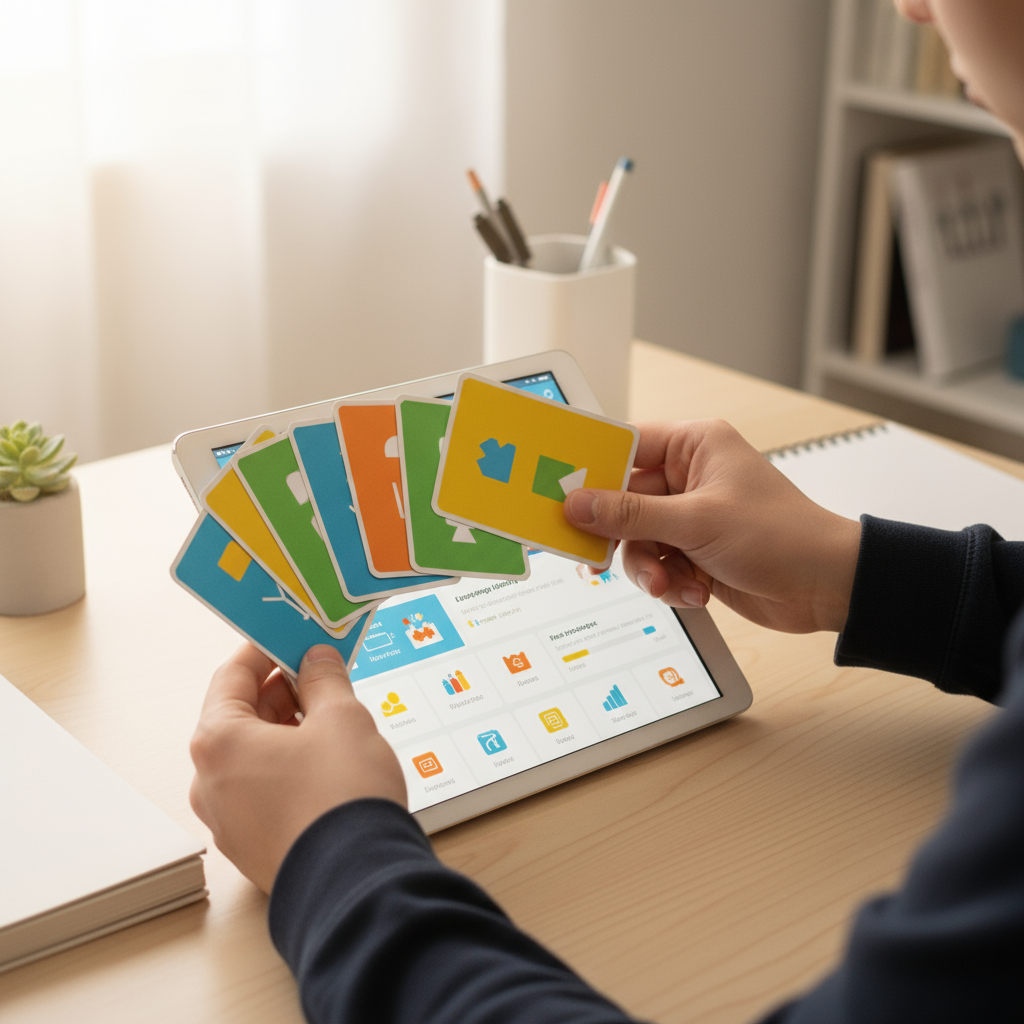
Learning a new language? You’re in for quite the adventure. It’s one of those experiences that completely changes how you see the world—suddenly you’re not just memorizing words, you’re unlocking entire cultures and ways of thinking. But let’s be real here: there’s way more to it than cramming vocabulary lists and conjugating verbs until your brain hurts. The real magic happens when you figure out what actually works for you and learn to roll with the inevitable bumps along the way. So let’s talk about the strategies that’ll move the needle and the challenges you’ll probably face (spoiler alert: everyone faces them).
Effective Language Learning Strategies
Here’s what actually works when you’re trying to pick up a new language. Immersion is your secret weapon—and no, you don’t need to pack your bags and move to another country (though that doesn’t hurt). The key is surrounding yourself with the language as much as possible. Talk to native speakers whenever you can find them. Watch their movies. Listen to their music while you’re doing dishes. Your brain starts picking up patterns naturally, almost like it’s absorbing the rhythm and flow without you even trying. If you can’t hop on a plane, don’t sweat it—streaming services and language exchange apps have got your back. And here’s something that might help: check out these effective study methods for visual learners if you’re the type who needs to see things to really get them.
Now, beyond just soaking it all in, you need some structure. I know, I know—structure sounds boring. But trust me on this one. Set yourself small, realistic goals each day or week. Maybe it’s learning five new words or having a three-minute conversation. Whatever it is, make it something you can actually achieve and feel good about. Mix things up with flashcards, apps, online courses—variety keeps your brain engaged and prevents that glazed-over feeling we’ve all experienced. The secret sauce? Practice everything: speaking (even if it’s just to your mirror), writing, reading, and listening. Think of it like cross-training for your brain. And if you’re feeling lost about how to organize all this, these tips on how to create lesson plans can help you map out a learning schedule that actually sticks.
Key Aspects of Effective Language Learning Strategies
Let’s break down what really makes a difference when you’re learning a language:
- Immersive Exposure: This is where the magic happens. When you’re constantly hearing and seeing the language in action, you start picking up on things textbooks can’t teach—like when to use certain expressions, how people actually talk in casual situations, and all those little cultural nuances that make you sound less like a robot and more like a real person.
- Consistent Goal-Setting and Practice: Small wins add up to big victories. When you set targets you can actually hit, you stay motivated instead of getting overwhelmed. Daily practice beats weekend cramming sessions every single time—your brain needs regular exposure to build those neural pathways.
- Utilization of Diverse Resources: Don’t put all your eggs in one basket. Apps, classes, podcasts, conversation partners—they all bring something different to the table. What clicks for one person might not work for another, so experiment until you find your perfect mix.
- Active Participation and Feedback: This is where the rubber meets the road. You can study grammar until you’re blue in the face, but until you’re actually using the language and getting corrected when you mess up, you’re missing half the picture. Find people who’ll tell you when you sound weird—it’s the fastest way to improve.
Armed with these strategies, you’re ready to tackle the journey ahead. But let’s be honest—it’s not going to be smooth sailing the whole way. There are some pretty predictable roadblocks you’ll hit, and knowing about them ahead of time can save you a lot of frustration.
Common Challenges in Language Learning
Okay, time for some real talk. Language learning is amazing, but it’s also going to test your patience in ways you didn’t know were possible. First up: the dreaded plateau. You know what I’m talking about—that point where you feel like you’re spinning your wheels no matter how much effort you put in. It happens to literally everyone, and it’s maddening. The good news? It’s usually a sign that your brain is consolidating what you’ve learned. Try switching up your routine or finding new ways to challenge yourself. Sometimes a fresh perspective is all you need to get unstuck.
Then there’s pronunciation. Oh, pronunciation. Some sounds just refuse to cooperate with your mouth, and that’s perfectly normal. Your vocal muscles need time to learn new movements, just like learning to play an instrument. Practice with native speakers whenever possible, and don’t be embarrassed about sounding strange at first—we all went through that phase. And let’s talk about motivation for a minute. Learning a language is a marathon, not a sprint, and your enthusiasm will naturally ebb and flow. When it dips (and it will), focus on small wins and remember why you started. It’s also worth understanding how education and mental health connect—taking care of your overall well-being makes everything easier, including language learning.
Key Aspects of Common Challenges in Language Learning
Here’s how to tackle the most common stumbling blocks:
- Language Plateaus: When progress feels stuck, it’s time to shake things up. Try new activities, join conversation groups, or tackle content that’s slightly above your comfort zone. Sometimes you need to confuse your brain a little to get it learning again.
- Pronunciation Difficulties: Your mouth needs training just like any other muscle. Record yourself speaking, compare it to native speakers, and don’t be afraid to exaggerate sounds when you’re practicing. It feels silly, but it works.
- Loss of Motivation: This is where celebrating small victories becomes crucial. Did you understand a joke in your target language? That’s huge! Could you order food without pointing at the menu? Victory dance time. These moments matter more than you think.
- Balancing Skill Development: It’s tempting to focus only on what you’re good at, but that’s like only working out your right arm. Make sure you’re giving equal attention to speaking, listening, reading, and writing. Yes, it’s more work, but it’s the difference between being conversational and being truly fluent.

Learning a new language? It’s like building a puzzle—you need the right pieces, patience, and a strategy that actually works. We’ve covered a lot of ground in this guide, from chatting with native speakers to binge-watching foreign films (yes, that counts as studying!). Setting realistic daily goals and mixing up your skills—speaking, listening, reading, writing—keeps things interesting and helps you build real fluency, not just textbook knowledge.
Here’s the thing about language learning: everyone hits walls. Those frustrating plateaus, tongue-twisting pronunciation challenges, and days when motivation just vanishes? Totally normal. The key is recognizing these bumps in the road and having strategies to push through them. And please, don’t fall into the perfectionism trap—it’s the fastest way to kill your progress and your enthusiasm.
Sometimes you need backup. A good tutor or language coach can be a game-changer, especially when you’re stuck or need that extra push. They catch mistakes you don’t even know you’re making and keep you accountable when Netflix starts looking more appealing than verb conjugations. The best part? When you combine smart learning strategies with the right mindset, language learning stops feeling like work and starts feeling like an adventure.
Ready to put all this into action? Start with a solid study routine—it makes all the difference. Our detailed guide on how to create lesson plans walks you through building a personalized learning schedule that actually sticks. If you’re someone who learns better with visual cues and memory tricks, check out our resource on study methods for visual learners. And if you’re curious about the bigger picture—why bilingual education matters beyond just speaking two languages—our article on the benefits of bilingual education has some eye-opening insights.
Now, let’s talk real life for a second. Learning a language takes time and money, and stress about finances can derail even the best study plans. That’s why having solid financial ground beneath you matters. Consider learning how to build an emergency fund—when you’re not worried about unexpected expenses, you can focus on what really matters: becoming fluent in your target language.
Language learning isn’t a sprint. It’s more like training for a marathon, except the finish line keeps moving (in the best way possible). Some days you’ll feel like a linguistic genius, others like you’re speaking through molasses. Both are part of the journey.
The bottom line? You’ve got the tools, the strategies, and now the roadmap. Trust the process, celebrate the small wins, and don’t be afraid to ask for help when you need it. Your future bilingual self is going to thank you for starting this journey. Keep practicing, stay curious, and remember—every conversation, every mistake, every small victory is bringing you closer to fluency and opening doors you didn’t even know existed.
Frequently Asked Questions
-
How long does it take to learn a new language?
- The time varies depending on language complexity, study consistency, and methods used. Some languages may take a few months to basic fluency, while others require years of practice for mastery.
-
What is the best age to start learning a language?
- While young learners often pick up pronunciation more easily, adults can achieve fluency successfully by applying effective learning strategies and consistent practice.
-
Can I learn a language on my own?
- Absolutely. Many people achieve language proficiency through self-study using apps, books, immersive content, and practice with native speakers or language exchange partners.
-
What are good daily habits for language learning?
- Consistent practice, exposure to native materials, mixing speaking, listening, reading, and writing, and setting achievable goals are effective daily habits to boost language skills.