Table of Contents
Introduction
Picture this: your child suddenly doesn’t want to go to school anymore. They’re making excuses, complaining about stomachaches, or just seem… different. If you’re nodding along, you might be looking at the harsh reality of school bullying. And here’s the thing—it’s happening in schools everywhere, affecting kids’ happiness, their grades, and most importantly, their sense of safety.
Bullying isn’t just the playground pushing we might remember from our own school days. Today’s bullying comes in many forms—physical aggression, sure, but also cruel words, online harassment, and that particularly painful social exclusion that can make a child feel invisible. These experiences don’t just ruin a kid’s day; they can leave lasting emotional scars. That’s why schools and families need to team up and tackle this head-on. Teachers who master classroom management strategies create environments where respect thrives and bullying struggles to take root. And let’s not forget how education and mental health support in schools has become a game-changer for helping kids bounce back when they face these challenges.
As a parent, you might feel lost when your child comes home upset or withdrawn. What do you say? How do you help? The good news is that staying connected through honest conversations, really listening to your kid, and getting involved in their school life can make all the difference. Learning about effective parenting advice gives you tools to build your child’s emotional strength—the kind they need to handle tough situations and stand up for themselves. Plus, knowing what warning signs to watch for means you can step in early, before things get worse.
Here’s something interesting: technology is both part of the problem and part of the solution. While cyberbullying has created new challenges, staying informed about education technology trends can help you understand the tools available for monitoring online behavior and teaching kids digital citizenship. The best approach? Combining tried-and-true prevention methods with smart use of modern resources to keep kids safe both in hallways and online.
What You’ll Learn in This Guide
This guide is your roadmap to understanding and tackling school bullying. Whether you’re a student trying to navigate these waters, a parent wanting to protect your child, or an educator committed to creating a safe classroom, you’ll find practical strategies that actually work.
- Understanding Bullying: We’ll break down the different types—physical, verbal, cyber, and social exclusion. Once you know what you’re looking for, you’ll spot bullying behaviors much faster and respond more effectively.
- Recognizing Warning Signs: Learn the emotional, behavioral, and physical red flags that might mean a child is being bullied. Catching these early can prevent things from spiraling out of control.
- Practical Handling Steps: Get specific strategies for what to do when bullying happens—how to communicate, where to get help, and why fighting back usually makes things worse, not better.
- Prevention and Support: Discover how schools can create environments where bullying struggles to survive through smart policies, education, inclusive culture, and proper staff training.
As we dive deeper into each topic, you’ll get clear, actionable advice you can use right away. We’ll talk about when to involve teachers and school administrators, and how to make sure everyone’s working together with your child’s wellbeing as the top priority. Speaking of educators, if you’re a teacher looking to strengthen your foundation skills, you might want to check out how to write a lesson plan—because well-structured, engaging classrooms naturally discourage bullying behavior.
The strategies we’ll cover will help you handle bullying situations with confidence instead of panic. When you apply what you learn here, you’re not just helping one child—you’re contributing to a school culture where every kid can focus on learning and growing instead of worrying about their safety.
The fight against bullying is gaining real momentum, and it’s happening because parents, students, and educators are refusing to accept “kids will be kids” as an excuse. This guide is designed to be your go-to resource for staying informed, taking smart action, and fostering the kind of empathy and respect that transforms school communities. Together, we can turn schools into places where kindness wins and every student has the chance to shine.
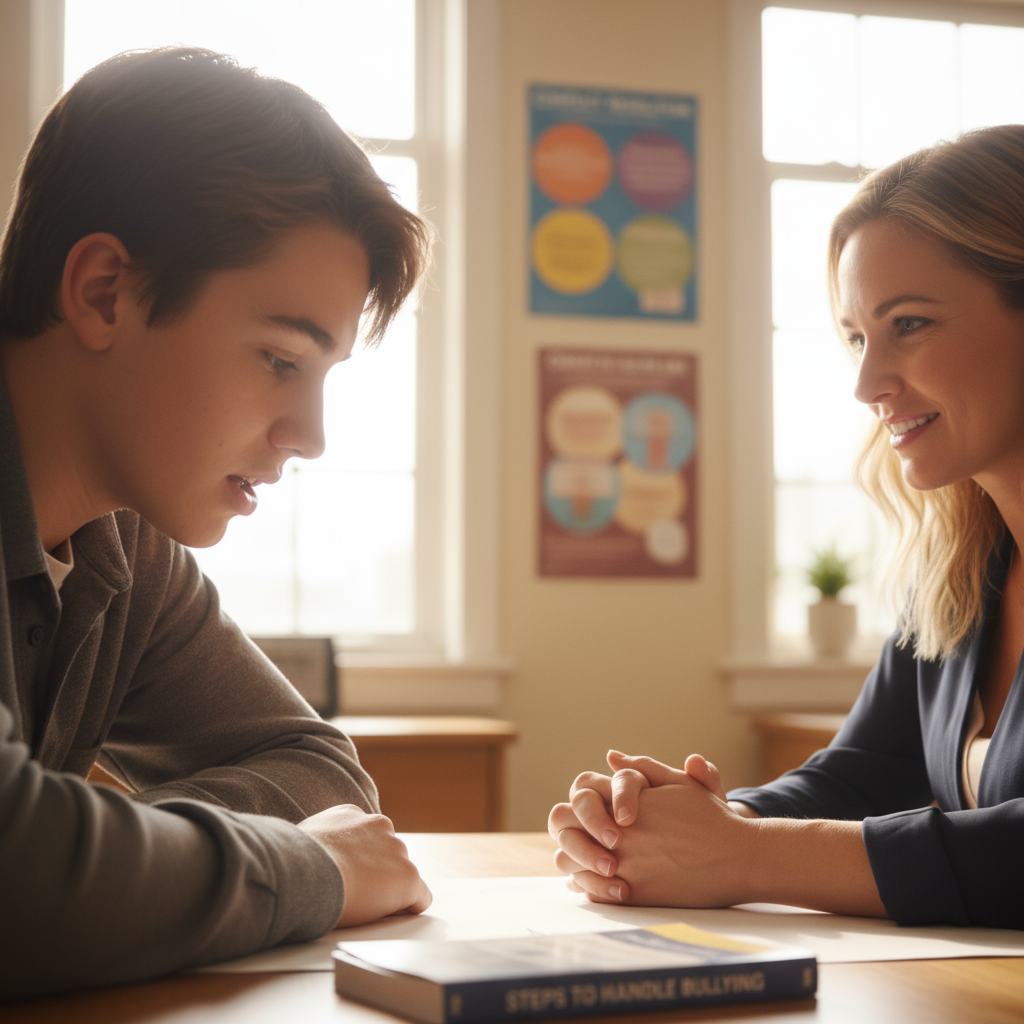
Let’s be honest—bullying in schools breaks our hearts. Every parent’s worst nightmare is their child coming home in tears, and every educator knows that sinking feeling when they realize what’s happening under their watch. But here’s the thing: when we really understand bullying and know how to tackle it head-on, we can create schools where every kid feels safe, valued, and free to just be themselves. It’s not just about stopping the bad behavior (though that’s crucial). It’s about building something better—a culture where respect isn’t just a poster on the wall, but the actual way kids treat each other every single day.
Understanding Bullying in Schools: Types and Recognition
So what exactly counts as bullying? It’s when one kid (or a group) repeatedly picks on another with the clear intent to hurt or control them. Simple enough, right? Wrong. Bullying is like a chameleon—it changes colors depending on where you look. You’ve got the obvious stuff like pushing and hitting, but then there’s the sneaky verbal attacks, the silent treatment that slowly crushes a kid’s spirit, and now we’re dealing with cyberbullying that follows them home through their phones. The tricky part? Spotting it before it does real damage. That bruise might be from playground roughhousing, or it might be something much worse.
Here’s where it gets interesting—and this ties into understanding learning disabilities—kids who struggle in different ways often become targets. Recognizing these vulnerabilities helps us protect them better. The strategies we use here actually overlap with effective classroom management strategies, but there’s a key difference: we’re not just managing behavior, we’re actively creating psychological safety nets. Teachers need to become detectives of sorts, picking up on those subtle patterns that separate normal kid drama from actual bullying. And honestly? This is where education and professional development becomes crucial—because the more equipped our school staff are, the safer our kids become.
Key Aspects of Bullying Types
Let’s break down what we’re actually dealing with here:
- Physical Bullying: This is the kind everyone recognizes—hitting, shoving, “accidentally” knocking books out of hands. If you see unexplained injuries or your kid suddenly starts avoiding certain areas of school, pay attention. This needs immediate action from both school and home.
- Verbal Bullying: Words can cut deeper than fists sometimes. Name-calling, threats, constant put-downs—this stuff eats away at a child’s confidence from the inside out. Teaching kids how to stand up for themselves (and others) becomes absolutely essential here.
- Cyberbullying: Welcome to the digital age nightmare. Mean texts, embarrassing posts, anonymous harassment—and it never stops because the internet never sleeps. Schools are scrambling to keep up, but clear policies and teaching kids about digital citizenship are our best defense right now.
- Social Exclusion: This one’s brutal because it’s so hard to see. Deliberately leaving kids out, spreading rumors, making them feel invisible—it’s psychological warfare disguised as teenage drama. Building inclusive school communities isn’t just nice-to-have anymore; it’s essential.
Once you can spot bullying in all its sneaky forms, you’re already ahead of the game. But knowing what to do when it happens? That’s where the real challenge begins—and where parents and students need a solid game plan.
How to Handle Bullying: Practical Steps for Students and Parents
When bullying hits your family, everything feels urgent and overwhelming. Your kid is hurting, you’re angry, and you want it fixed yesterday. I get it. But here’s what I’ve learned from years of helping families navigate this: the most effective responses are actually the thoughtful ones. Students who know how to handle bullies calmly and confidently often see better outcomes than those who lash out or shut down completely. And parents who advocate strategically (rather than just storming into school demanding heads roll) tend to get real, lasting solutions. This connects beautifully with education and sustainability principles—we’re building healthier communities that can sustain themselves long-term.
But let’s get real for a minute. Sometimes you need backup beyond the school system. Professional resources like mental health guidance for bullying prevention and response can be game-changers, especially when bullying has already taken a toll on your child’s emotional well-being. The goal isn’t just to stop the immediate problem—it’s to help your kid bounce back stronger and more resilient than before. Sometimes that takes professional help, and that’s completely okay.
Key Aspects of Handling Bullying
Here’s your action plan when bullying happens:
- Stay Calm and Confident: I know, easier said than done when someone’s picking on your kid. But students who can keep their cool, resist the urge to fight back, and carry themselves with quiet confidence? They take away the bully’s power. It’s like refusing to play their game.
- Speak Up or Seek Help: This isn’t tattling—it’s protecting yourself and others. Kids need to know they can trust certain adults with this information. The sooner it’s reported, the sooner it can stop. Period.
- Keep a Record of Incidents: Dates, times, witnesses, exactly what happened—write it all down. This isn’t being dramatic; it’s being smart. When you can show a pattern instead of just describing isolated incidents, people take action.
- Listen and Support Your Child: Your kid needs to know you believe them and that you’re on their side, no matter what. Sometimes they just need to feel heard before they’re ready to take action. Don’t rush them, but don’t ignore it either.
School bullying isn’t just kids being kids—it’s a serious problem that can really mess with a child’s emotional and physical health. There are so many different ways bullying shows up: the obvious stuff like hitting and name-calling, but also cyberbullying and that cruel social exclusion that can feel just as brutal. Here’s the thing—students, parents, and teachers all need to watch for the warning signs. When your kid suddenly doesn’t want to go to school, seems moody all the time, or starts pulling away from friends? That’s your cue to pay attention.
Dealing with bullying takes real strategy, not just hope it’ll go away. Kids need to learn how to stay calm under pressure, speak up when it matters, and—this is huge—know which adults they can trust. Parents? You’re the emotional anchor here. Your job is to listen, really listen, then work with the school to make sure something actually gets done. And schools need to step up with clear policies that aren’t just gathering dust in a handbook. Teachers need proper training so they know what to do when they see it happening.
But here’s what’s even better than responding to bullying—preventing it in the first place. Schools that actually build cultures of respect and empathy? They see way less bullying. Period. And when kids do get hurt, having solid support systems and mental health resources can help them bounce back stronger. It’s about making sure every single child feels like they belong and matter.
Want to dig deeper into this? There are some fantastic resources that can help you make a real difference. Check out Education and Mental Health to understand how learning and emotional well-being connect. Teachers, you’ll love the practical strategies in Teacher Professional Development—it’s all about creating classrooms where kids feel safe to learn. For the bigger picture on how schools can build healthier communities, Education and Public Health has insights that could change how you think about education’s role. And parents, don’t miss Essential Parenting Advice for Raising Happy and Healthy Children—it’s packed with ways to build your child’s confidence and communication skills.
Look, creating safe schools isn’t just the principal’s job or the counselor’s responsibility. It takes all of us—parents, teachers, kids, even the bus drivers and lunch staff. When we work together with genuine care and the right knowledge, we can build schools where kindness isn’t the exception, it’s just how things are. Every child deserves to feel safe, supported, and free to be themselves. Your effort in this fight? It matters more than you know.
Frequently Asked Questions
-
What should I do if my child is being bullied?
- First, listen without trying to fix everything immediately. Give your child emotional support, then start documenting what’s happening. Talk to the school right away—don’t wait to see if it gets better on its own.
-
How can schools prevent bullying?
- Start with clear policies that everyone actually knows about and follows. Teach empathy and respect consistently, create an inclusive environment where differences are celebrated, and make sure teachers get regular training on spotting and stopping bullying.
-
When should I contact school authorities about bullying?
- Don’t wait for it to escalate. If your attempts to help haven’t worked, or if your child ever feels unsafe, contact the school immediately. Trust your instincts—if something feels wrong, it probably is.
-
How can children protect themselves from bullies?
- Stay calm and confident (even if you don’t feel it inside), find trusted adults who will listen and help, never fight back physically, and build friendships with kind kids who’ve got your back.
-
What role do parents play in handling bullying?
- You’re your child’s biggest advocate and emotional support system. Work with teachers and school staff as partners, help your child build confidence and communication skills, and never underestimate the power of just being there to listen.