Table of Contents
Introduction
Picture this: It’s 11 PM, you’ve got three assignments due tomorrow, and you’re staring at your textbook wondering where the week went. Sound familiar? If you’re nodding right now, you’re definitely not alone. The thing is, creating a solid study schedule might just be the game-changer you’ve been looking for—turning that academic chaos into something actually manageable.
Here’s what I’ve learned after years of watching students (and myself) struggle with this: a good study schedule isn’t just about time management. Sure, that’s part of it. But it’s really about giving yourself permission to breathe, to have a life outside of studying, and to actually enjoy learning again. Too many students burn out because they’re always in crisis mode, scrambling from one deadline to the next. When you don’t have a plan, procrastination becomes your default setting. Not fun. If you’re just starting to think about organizing your learning approach, checking out how to create lesson plans can give you some solid ideas about structuring your study time effectively.
Now, let’s talk about why a well-thought-out study schedule actually works. When you block out specific times for different subjects, something magical happens—you stop feeling like you’re drowning. You know exactly what you’re supposed to be doing and when. No more guilt about taking breaks (because they’re scheduled!). Plus, you can actually see your progress, which is incredibly motivating. Different learning styles need different approaches, so if you’re more of a visual person, the strategies in effective study methods for visual learners can help you customize your schedule to work with your brain, not against it. And here’s something people don’t talk about enough—there’s a real connection between education and mental health that makes balanced planning absolutely crucial for your well-being.
But here’s the thing about study schedules that might surprise you: they’re not meant to be perfect. Life happens. Your boss gives you extra shifts, you get sick, or that group project suddenly becomes way more complicated than expected. The best study schedules are flexible ones. When you notice you’re consistently missing sessions or feeling overwhelmed, that’s not failure—that’s feedback. Time to adjust. Learning to roll with these changes while keeping your study habits strong? That’s where the real growth happens.
What You’ll Learn in This Guide
We’re going to walk through everything you need to build a study schedule that actually fits your life. No cookie-cutter approaches here—just practical steps you can adapt to whatever academic situation you’re facing.
- Understanding the Basics: Why study schedules work so well, what benefits you can expect, and how they’ll transform your relationship with time and stress.
- Step-by-Step Process: The complete walkthrough—from figuring out how much time you actually have, to setting realistic goals, mapping out study sessions, and building in breaks that keep you sane.
- Tips for Consistency: Real strategies for staying motivated when the novelty wears off, keeping yourself accountable, and creating a study space that actually helps you focus.
- Tools and Resources: The apps, planners, and templates that can make scheduling easier (because who has time to reinvent the wheel?).
What you’ll end up with is a study system that feels sustainable, not overwhelming. Whether you’re cramming for finals, juggling multiple courses, or just trying to develop better habits, these strategies will meet you where you are. And if you’re looking to expand your skills beyond your regular coursework, exploring tips for learning a new language can be a great addition to your structured study routine.
My goal? To help you stress less and learn more effectively. By the time you finish reading this, you’ll have everything you need to create a study routine that bends without breaking. We’ll also cover how to recognize when your schedule needs tweaking—because staying rigid when life demands flexibility is a recipe for frustration. If you want to level up your overall academic game, diving into how to develop critical thinking skills pairs perfectly with good study habits.
Ready to stop feeling scattered and start studying smarter? Let’s build you a schedule that actually works with your life, not against it. Time to take back control of your academic success—one well-planned study session at a time!
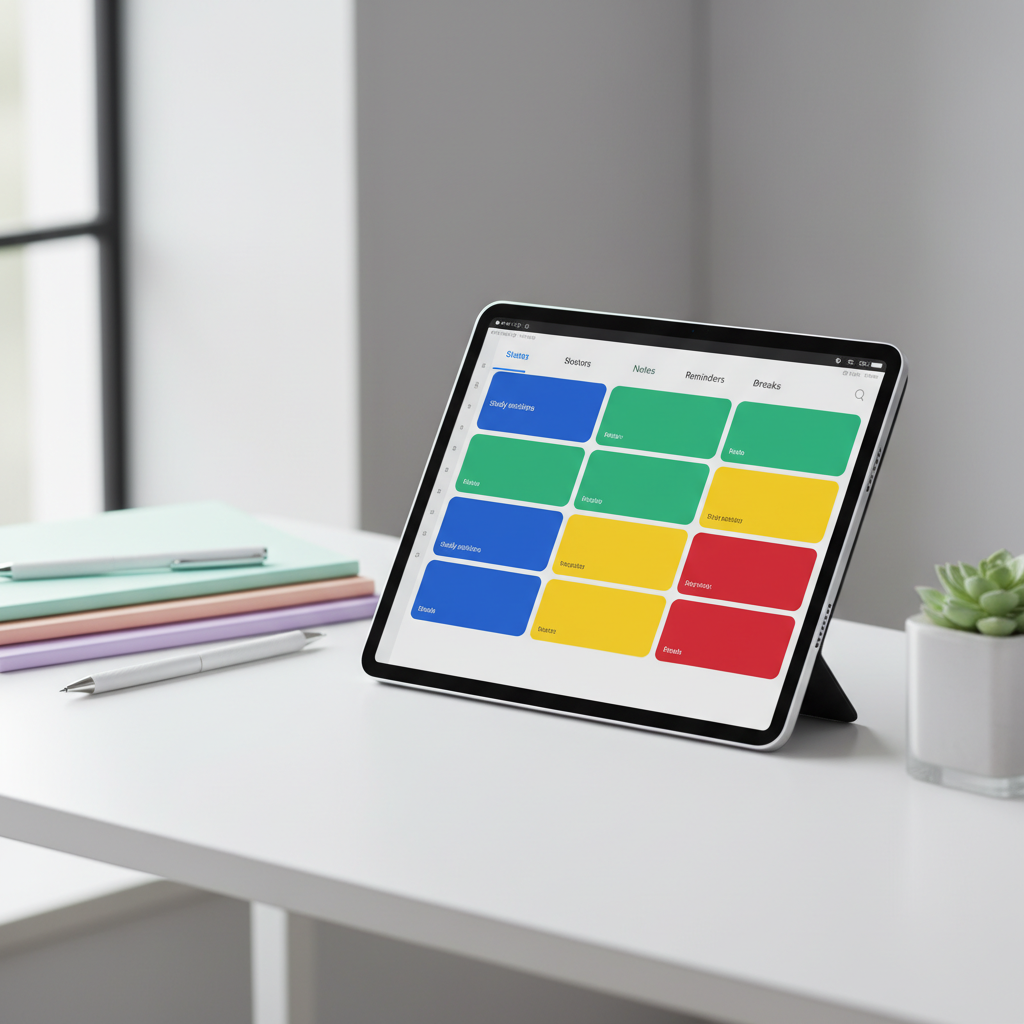
Here’s the thing about study schedules—they’re not just fancy calendars for overachievers. They’re actually game-changers for anyone who’s ever felt overwhelmed by their workload or found themselves cramming at 2 AM wondering where the time went. (We’ve all been there, right?) A good study schedule isn’t about being rigid or boring. It’s about taking control of your learning and making your life easier in the process. Whether you’re juggling multiple classes, trying to learn a new skill, or just want to stop feeling scattered, a solid plan can transform how you approach your goals. Trust me—once you get this right, you’ll wonder how you ever managed without it.
Why Creating a Study Schedule is Important
Let’s be honest: winging it rarely works. Sure, some people claim they “work better under pressure,” but what they’re really doing is creating unnecessary stress. When you actually plan your study time, something magical happens. Your brain stops spinning its wheels trying to figure out what to do next. You know exactly when you’re studying, what you’re focusing on, and—just as importantly—when you’re done for the day.
Think about it this way: would you drive cross-country without a GPS? Probably not. Yet so many of us try to navigate our education without any roadmap. A study schedule is your academic GPS—it shows you the route, helps you avoid traffic jams (also known as last-minute panic), and gets you to your destination without the drama. And here’s what’s really cool: the skills you develop from planning your study time? They stick around. You’ll find yourself naturally better at managing deadlines, prioritizing tasks, and staying organized in other areas of life too.
Now, if you’re someone who learns best through visual methods, you’ll want to check out these study methods for visual learners. Building these techniques into your schedule makes everything click better. And speaking of making things click, have you seen what’s happening with education technology trends? The tools available now can seriously supercharge your scheduled study sessions with personalized, engaging experiences that actually make learning fun.
Key Benefits of Creating a Study Schedule
Okay, so what’s actually in it for you? Here are the real benefits that’ll make you want to start planning today:
- Improved Time Management: No more “where did my day go?” moments. You’ll know exactly how long things take and plan accordingly, which means no more all-nighters before big exams.
- Reduced Procrastination: When you have a specific time blocked out for studying, it’s harder to make excuses. Your brain knows what’s expected and when—it’s like having a gentle but firm study buddy.
- Balanced Study and Leisure Time: This might be the best part—guilt-free relaxation. When you know you’ve put in your study time, you can actually enjoy your downtime without that nagging feeling that you should be doing something else.
- Increased Focus and Motivation: Decision fatigue is real. When you eliminate the “what should I study now?” question, you free up mental energy for the actual learning. Plus, crossing things off your schedule feels amazing.
These benefits compound over time. Start small, and you’ll be amazed at how much momentum builds. Want to take it even further? Learning how to develop critical thinking skills alongside your scheduling practice creates a powerful combination—you’re not just managing your time better, you’re actually becoming a more effective learner overall.
Steps to Create an Effective Study Schedule
Ready to build your own study schedule? Good news: it’s simpler than you think. Start by getting real about your time. I mean really real. Don’t just think about your ideal day—think about your actual days, complete with unexpected phone calls, longer-than-expected commutes, and those moments when your brain just needs a break.
First, do a time audit. For a few days, track where your time actually goes. (Spoiler alert: you might be surprised.) This isn’t about judging yourself—it’s about understanding your patterns so you can work with them, not against them. Once you know your natural rhythms and existing commitments, you can start carving out realistic study slots that you’ll actually stick to.
Here’s something most people get wrong: they try to completely overhaul their life overnight. Don’t do that. Start with what works and gradually optimize. If you’re naturally a morning person, lean into that. If you focus better after a workout, schedule study time accordingly. The goal is to create something sustainable, not something that looks impressive on paper but falls apart in real life.
Key Aspects of Creating an Effective Study Schedule
Here’s your practical roadmap for building a schedule that actually works:
- Assess Your Available Time: Map out everything—classes, work, meals, commute, sleep. Then look for the gaps. Be honest about how much time you actually have and how much energy you typically have during different parts of the day.
- Set Clear Goals: Vague goals lead to vague results. Instead of “study math,” try “complete chapter 5 practice problems.” Specific goals make it easier to know when you’re done and give you that satisfying sense of progress.
- Allocate Study Sessions: Match your hardest subjects to your peak energy times. Save the easier review work for when you’re naturally less focused. Also, mix things up—don’t put all your reading sessions back-to-back.
- Include Breaks and Flexibility: This isn’t optional. Your brain needs downtime to process information. Plus, life happens. Build in buffer time so a delayed bus or an unexpected call doesn’t derail your entire week.
Remember, creating a study schedule is just the beginning. The real magic happens when you start following it and adjusting as you learn what works for you. If you want to maximize your scheduled study time, check out these strategies for how to boost productivity in the workplace—many of these techniques work brilliantly for study sessions too. And if you’re an educator looking to help others with this process, how to create lesson plans offers great insights into structured planning that you can adapt and share.
The bottom line? A good study schedule isn’t about perfection—it’s about progress. Start where you are, use what you have, and adjust as you go. Your future self will thank you for taking this step today.

Here’s the thing about study schedules—they’re not just fancy time management tools. They’re your secret weapon for taking back control of your academic life. Think about it: when you know exactly what you’re supposed to be doing and when, that nagging voice in your head finally quiets down. No more staring at your textbooks wondering where to start. No more panic sessions at 2 AM because you forgot about that assignment.
What we’ve covered here isn’t just theory—it’s a roadmap that actually works. When you block out specific times for different subjects, something magical happens. Your brain stops wasting energy on decision fatigue and starts focusing on what matters: learning. And here’s what I love most about a good study schedule: it’s flexible. Life happens (trust me, it always does), but a smart schedule rolls with the punches instead of crumbling at the first sign of chaos.
The secret sauce? It’s all in the details. Figure out when you’re actually free—not when you think you should be free. Set goals that make sense for your life, not someone else’s Instagram-perfect study aesthetic. Match your toughest subjects to when your brain is firing on all cylinders. Get someone to keep you accountable (because let’s face it, motivation is fickle). And when things aren’t working? Change them. The best schedule is the one that evolves with you, not against you.
Ready to take this further? Let’s talk resources. If you’re into structured planning, check out our guide on how to create lesson plans—it’s got some killer strategies that’ll complement what you’ve learned here. More of a visual person? Our breakdown of study methods for visual learners will help you customize your sessions to match how your brain actually works. And because burnout is real (and nobody talks about it enough), our piece on education and mental health will help you keep your sanity intact while crushing your goals. Plus, if you want to level up your productivity game across the board, how to boost productivity in the workplace has strategies you can totally steal for your study routine.
Look, building a study schedule that actually works takes time. You’ll probably mess it up a few times before you get it right—and that’s completely normal. Be patient with yourself. Adjust when you need to. Celebrate the small wins. Your future self will thank you for putting in this work now. Because when you nail this? Everything else starts falling into place. Better grades, less stress, more time for the things you actually enjoy. That’s not just academic success—that’s life success.
Frequently Asked Questions
-
How often should I update my study schedule?
- Give it a weekly check-up, or whenever your life throws you a curveball. The goal is staying flexible, not perfect.
-
What if I miss a study session?
- Breathe. It happens to everyone. Just shuffle things around and keep moving forward—beating yourself up won’t help anyone.
-
Can I create a study schedule for multiple subjects?
- Absolutely! Just give each subject its own dedicated time slot. Your brain will appreciate the clear boundaries.
-
What are the best tools to create a study schedule?
- Whatever works for you—digital calendars, apps, or good old-fashioned paper planners. The best tool is the one you’ll actually use.