
Learning a new skill feels like standing at the base of a mountain sometimes. You can see the peak, you know it’s possible to get there, but the path isn’t always clear. Whether you’re picking up coding, public speaking, data analysis, or anything in between, the journey from “I have no idea what I’m doing” to “I actually know this” takes intentional effort, the right mindset, and honestly, some patience with yourself.
The good news? Skill development isn’t some mysterious talent that only certain people have. It’s a learnable process. Research from psychological science shows that with deliberate practice and the right approach, you can develop competence in almost any area. This guide walks you through the real, unglamorous truth about how skills actually develop—and more importantly, how you can accelerate your own growth.
Understanding How Skills Actually Develop
Here’s something that might surprise you: your brain doesn’t just absorb skills passively. There’s actual neural rewiring happening. When you practice something repeatedly, your brain strengthens the neural pathways associated with that skill. It’s like hiking a trail—the first time, it’s overgrown and rough. By the hundredth time, it’s a clear path.
The skill development process typically moves through recognizable stages. First, there’s the cognitive phase where you’re consciously thinking about every single step. You’re reading instructions, asking questions, making mistakes that feel embarrassing. Then comes the associative phase—you’re still learning, but there’s less conscious effort. Finally, there’s the autonomous phase where the skill becomes almost automatic. Think about driving a car. When you first learned, you had to consciously think about every movement. Now? You’re probably on autopilot most of the time.
But here’s the catch: not all practice is created equal. You could repeat something a thousand times and stay mediocre. Or you could practice deliberately for a fraction of that time and develop real expertise. The difference matters way more than you’d think.
The Role of Deliberate Practice
Deliberate practice is the secret sauce everyone talks about but few actually understand. It’s not just “doing the thing” repeatedly. It’s doing the thing with specific focus on improvement, feedback, and pushing just beyond your current comfort zone.
Let’s say you’re learning learning strategies for a new language. Scrolling through vocabulary apps for 20 minutes? That’s not deliberate practice. But identifying the specific grammar structures that trip you up, spending focused time on those patterns, getting feedback from a native speaker, and then practicing those exact patterns again? That’s deliberate practice. The difference in progress is honestly staggering.
Deliberate practice has a few key components. First, you need clear goals—not vague ones like “get better at public speaking,” but specific ones like “deliver a 5-minute presentation with minimal filler words and natural pacing.” Second, you need immediate feedback. You’re not just practicing in a void; you’re noticing what works and what doesn’t. Third, you’re operating in that sweet spot between too easy and too hard. If it’s too easy, you’re not growing. If it’s too hard, you’re just frustrated.
This is where many people trip up. They practice the things they’re already decent at because it feels good. But real growth happens when you lean into your weaknesses. It’s uncomfortable. That’s kind of the point.
Building Your Learning Foundation
Before you dive into intense practice, you need a solid foundation. This is where learning science research gets really interesting. Your brain learns better when you understand the underlying principles, not just the surface-level mechanics.
If you’re developing a technical skill, spend time understanding the “why” behind the “how.” If you’re learning to code, don’t just memorize syntax—understand why that syntax exists and what problem it solves. If you’re developing leadership skills, don’t just memorize techniques—understand human psychology and how people actually respond to different approaches.
Building your foundation also means getting clear on your learning style and preferences. Some people learn best by reading, others by watching videos, others by doing hands-on projects immediately. Most people actually need a mix. The key is being intentional about it rather than defaulting to whatever’s easiest.
Consider also seeking out quality learning resources early. Not all resources are equal. A well-designed course or book will save you months of confusion compared to trying to piece things together from random YouTube videos. Platforms like Coursera and specialized communities in your field can help you find vetted resources. Your investment in good foundational learning pays dividends later.
And here’s something important: document your learning journey. Keep notes, save resources, track what approaches work for you. Future-you will be grateful, and you’ll start seeing patterns in how you learn best.

Overcoming Common Plateaus
Every skill learner hits a plateau. You’re making progress, then suddenly—nothing. You feel stuck. This is so normal that it’s almost guaranteed to happen, and knowing that ahead of time helps.
Plateaus happen for a few reasons. Sometimes your brain has automated the current level and needs new challenges to keep growing. Sometimes you’ve hit the limits of your current approach and need to change your strategy. Sometimes you’re just fatigued and need a break. The solution depends on diagnosing which type of plateau you’re experiencing.
If you’re bored and the skill feels easy, that’s your signal to increase difficulty. This is where psychological research on motivation shows that challenge actually increases engagement—but only when you feel capable. You’re looking for that edge where things are hard but not impossible.
If your current approach isn’t working anymore, it’s time to switch it up. Maybe you’ve maxed out what you can learn from videos; time to find a mentor or peer group. Maybe solo practice isn’t cutting it; time for structured feedback. Being flexible with your methods matters way more than loyalty to one approach.
If you’re burnt out, that’s different. Pushing harder won’t help. Sometimes the best thing for skill development is actually stepping back, recovering, and coming back fresher. Your brain needs rest to consolidate learning anyway. This isn’t laziness; it’s how learning actually works.
Creating Systems for Consistency
Here’s the unglamorous truth: consistency beats intensity almost every time. Practicing intensely for two weeks then dropping off for a month gets you nowhere. But 30 minutes daily? That compounds into real expertise over time.
The key is making practice so routine that it requires minimal willpower. This is where system design comes in. Habit-tracking systems can help, but honestly, the simplest approach is to anchor your practice to something you already do daily. Practice right after morning coffee. During your lunch break. Before bed. The specific time matters less than the consistency.
Build accountability too. This might be a practice partner, an online community, a coach, or even just telling friends what you’re working on. When other people know about your goals, you’re more likely to follow through. It’s not about shame; it’s about leveraging social motivation, which is real and powerful.
Also—and this is crucial—track your practice, not just your progress. Did you practice today? Yes or no. This builds the habit layer first, and skill improvement follows. Too many people abandon their development because they’re obsessing over whether they’re “good enough yet.” Focus on the input (consistent practice) and the output (improvement) takes care of itself.
Measuring Progress Without Burnout
You need to know if you’re actually improving, but obsessive self-evaluation can kill motivation faster than anything. The trick is building in regular check-ins without making them your whole focus.
Pick a few specific metrics that matter to your skill. If you’re developing public speaking abilities, maybe it’s “deliver a 10-minute talk with fewer than 5 filler words.” If you’re learning design, maybe it’s “complete a full project from concept to final deliverable.” These metrics should be observable and trackable, but they shouldn’t feel like you’re constantly testing yourself.
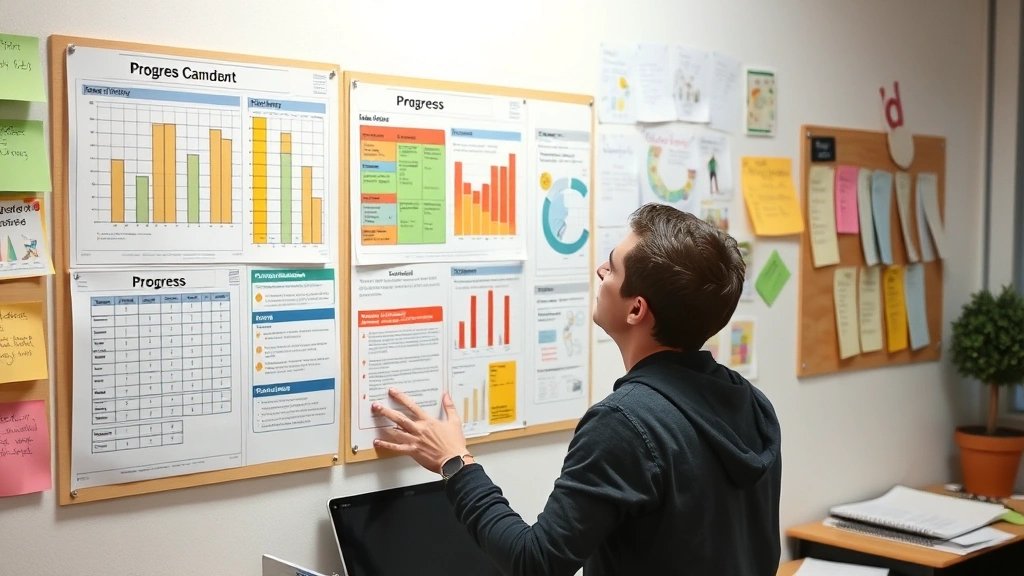
Review your progress monthly or quarterly, not daily. Daily checking is just noise and discouragement. You can’t see real change in 24 hours. But over 12 weeks? You’ll notice real differences. This is also where keeping records from earlier in your learning journey gets valuable—you can actually see how far you’ve come, which is incredibly motivating.
Celebrate wins, even small ones. Finished your practice session consistently for two weeks? That’s worth noting. Nailed something that was previously difficult? Acknowledge it. This isn’t about participation trophies; it’s about reinforcing the behaviors that lead to growth. Your brain responds to positive reinforcement, and you’re more likely to keep showing up if you notice improvements.
Also, be honest about what’s not working. If you’ve been practicing something for three months with no progress, something’s off. Maybe the approach isn’t right for you. Maybe you need different resources. Maybe you need a break. The data should inform your decisions, not just make you feel bad.
FAQ
How long does it actually take to develop a new skill?
The honest answer is “it depends,” which I know is frustrating. Simple skills might take weeks of consistent practice. Complex skills like coding or a language can take months or years. But here’s what research shows: with deliberate practice, you can reach functional competence in most skills within 100-200 hours of focused practice. That’s roughly 3-6 months at an hour per day. Mastery takes longer, but you don’t need mastery to be useful.
What if I don’t have natural talent for something?
Natural talent is mostly overblown. Research consistently shows that deliberate practice trumps innate ability for skill development. You might progress a bit faster or slower than someone else, but the direction is the same. The people who “naturally” seem good at something usually just started earlier or have been practicing without realizing it. Your starting point matters less than your trajectory.
Can I develop multiple skills simultaneously?
Yes, but with limits. You can juggle 2-3 skills if they’re different enough that they don’t compete for the same cognitive resources. But if you’re trying to learn five things at once, you’re spreading yourself too thin. Better to develop one skill to functional competence, then add another. This also helps you stay motivated because you actually see progress instead of feeling perpetually behind on everything.
What should I do when motivation dips?
Motivation is overrated anyway. You don’t need to feel excited every day to practice. What you need is the habit. Show up even when you don’t feel like it. Often, once you start, motivation follows. On days when you genuinely can’t access any motivation, do the minimum—even 10 minutes counts. The point is keeping the chain unbroken. Motivation will return; habits keep you moving while you wait.
How do I know which skill to develop first?
Pick something that aligns with your goals but also genuinely interests you. If you’re forcing yourself to learn something you hate, you’ll quit. But also be honest about whether you’re chasing novelty or building something meaningful. The best skill to develop is one that opens doors professionally or personally, AND one you’re willing to practice consistently. If both boxes check, you’ve found your skill.