Master the Art of Deliberate Practice: Your Blueprint for Faster Skill Development
You’ve probably heard the phrase “practice makes perfect” a thousand times. But here’s the thing—it’s not entirely true. You can practice something for years and still plateau. The real game-changer? Deliberate practice. It’s the difference between someone who plays guitar for 10 years and someone who actually gets good at guitar in 2.
Deliberate practice isn’t just about putting in hours. It’s about being intentional, specific, and honest with yourself about where you actually struggle. When you understand how deliberate practice works, you can apply it to literally any skill you want to develop—whether that’s coding, writing, leadership, or even public speaking.
The cool part? This isn’t some mystical talent thing. It’s a learnable system that you can start using today. Let’s break down how to actually do it.
What Is Deliberate Practice, Really?
Deliberate practice is focused, goal-oriented training where you’re constantly pushing just beyond your current ability. It’s not comfortable. It’s not scrolling through tutorials while half-watching Netflix. It’s you, your skill gap, and your willingness to be bad at something temporarily.
The concept came from psychologist K. Anders Ericsson’s research on expert performance. He studied violinists, chess players, athletes, and found that the people who reached elite levels didn’t just have more talent—they practiced differently. They were deliberate about it.
The key insight? Your brain adapts to what you ask it to do. If you ask it to mindlessly repeat the same motion, it’ll get okay at that motion. But if you ask it to solve progressively harder problems in your skill domain, your neural pathways actually rewire. That’s neuroplasticity in action.
When you’re doing deliberate practice, you’re essentially having conversations with your own limitations. You find them. You poke at them. You figure out why they exist. Then you design specific exercises to overcome them. It’s systematic, but it’s also deeply personal because your limitations are unique to you.
How It Differs From Regular Practice
Here’s where most people get stuck. They confuse volume with quality. You can spend 10,000 hours on something and still be mediocre if those hours aren’t structured right.
Regular practice is when you do the thing you’re trying to get better at. You play the song you like. You write blog posts about topics you enjoy. You code features that feel manageable. It feels productive because you’re doing the work. But you’re mostly staying in your comfort zone, reinforcing what you already know.
Deliberate practice is different. It’s uncomfortable by design. You’re targeting your weaknesses, not practicing what’s already easy. If you’re learning to code and you’re already solid with loops, you don’t spend more time on loops. You move to the thing that confuses you—maybe it’s async functions or state management. That discomfort? That’s actually the signal that you’re doing it right.
The research backs this up. Studies on expert performance consistently show that people who engage in deliberate practice improve faster than those who just accumulate hours. It’s not magical. It’s just more efficient.
Another huge difference: feedback loops. Regular practice might not give you clear feedback. You write something and think “that was okay.” Deliberate practice demands specific, immediate feedback. You try a technique, you see exactly what happened, and you adjust. That cycle is what drives improvement.
The Core Components That Actually Work
If you’re going to do deliberate practice, you need to understand the mechanics. There are specific elements that separate it from just “trying harder.”
1. Clear, Specific Goals
Vague goals kill progress. “Get better at writing” is too broad. “Write three 500-word essays this month focusing on active voice and cutting unnecessary adjectives” is something you can actually work with.
Your goals should be specific enough that you know when you’ve hit them. They should be challenging but not impossible—think “just outside your comfort zone” rather than “completely overwhelming.” This is sometimes called the zone of proximal development. You want to be stretching, not snapping.
2. Full Attention and Concentration
You can’t deliberate practice while scrolling your phone. Your brain needs to be completely engaged. This is why most people don’t actually do deliberate practice—it’s mentally exhausting. But that exhaustion is actually a feature, not a bug. Your brain is literally rewiring itself, which takes energy.
Block out time. Remove distractions. Treat it like an appointment with yourself that matters. Because it does.
3. Immediate, Specific Feedback
You need to know what you did right and what you did wrong, ideally right after you do it. This is why having a coach, mentor, or even structured self-assessment is crucial. If you’re practicing alone, you need a system for feedback.
If you’re learning to write, you could have a trusted friend review your work. If you’re learning music, you could record yourself and compare it to a professional. If you’re learning to code, you could write tests that tell you exactly what’s broken. The mechanism varies, but the principle is the same: you need to know how you’re doing.
4. Repetition and Refinement
You don’t try something once and move on. You try it, get feedback, adjust, and try again. And again. This repetition with refinement is what builds mastery. It’s boring sometimes, but it works.

Implementing Deliberate Practice in Your Life
Knowing about deliberate practice is one thing. Actually doing it is another. Here’s how to set it up so it actually sticks.
Step 1: Audit Your Current Skill Level
Be honest. Where are you actually weak? Not where you think you should be weak—where you genuinely struggle. If you’re learning a language, maybe you can read okay but speaking freezes you up. If you’re learning design, maybe you’re solid on aesthetics but weak on user research. Find the real gap.
This is why working with a mentor or teacher is valuable—they can spot things you might not see about yourself. But you can also do this alone by comparing your work to work you admire. What’s different? That’s your starting point.
Step 2: Design Targeted Exercises
Once you know your weakness, create exercises that isolate it. Don’t just do “more of the thing.” Design something that specifically targets that gap.
Let’s say you’re learning to present and you get nervous talking to large groups. Don’t just “present more.” Instead, design an exercise: present to progressively larger groups, or present on topics you know less about (forcing you to think on your feet), or present without slides (removing a crutch). Each exercise targets the specific weakness.
Step 3: Create a Feedback System
This is non-negotiable. Without feedback, you’re just guessing. Your feedback could come from:
- A mentor or coach who reviews your work
- Peer review from someone at a similar level
- Objective metrics (time taken, accuracy, etc.)
- Self-assessment against clear criteria
- Recorded evidence you can review later
The best feedback is specific (“your opening paragraph is confusing because you use jargon without defining it” vs. “this is good”) and actionable (you know exactly what to change).
Step 4: Schedule Regular Sessions
Consistency beats intensity. An hour of deliberate practice three times a week beats eight hours once a month. Your brain needs regular exposure to integrate changes.
Schedule it. Treat it like an appointment. This is where many people fail—they do deliberate practice sporadically, which means they’re constantly restarting.
Step 5: Track Progress Visibly
Keep records. Write down what you worked on, what feedback you got, what you’re trying next. This serves two purposes: it keeps you accountable, and it lets you see progress over time. When you’re in the middle of the grind, you forget how far you’ve come.
Overcoming Common Obstacles
Deliberate practice is simple in theory, but there are real obstacles that trip people up.
The Comfort Zone Problem
Your brain doesn’t like discomfort. It’s wired to conserve energy. So when you start pushing into your weakness zone, you’ll feel resistance. That’s normal. The trick is to push just hard enough that you’re challenged but not so hard that you’re completely lost. It’s a balance.
If you find yourself consistently frustrated and stuck, you’ve gone too far. Scale back slightly. If you’re breezing through, you haven’t gone far enough. That sweet spot—where you’re struggling but making progress—that’s where the magic happens.
The Plateau
Sometimes you’ll feel like you’re not improving. You’re putting in the work, but nothing’s changing. This happens to everyone. It usually means you need to adjust your approach. Maybe your exercises aren’t targeted enough. Maybe you need different feedback. Maybe you need a break and fresh perspective.
The important thing is to not give up during a plateau. Research on learning curves and skill acquisition shows that plateaus are a normal part of the process. They’re not a sign you’re failing—they’re a sign your brain is consolidating what you’ve learned before the next jump.
The Motivation Drain
Deliberate practice is mentally taxing. After a few weeks, motivation drops. This is why connecting your practice to something you actually care about matters. If you’re learning to code because you think you “should,” you’ll burn out. If you’re learning to code because you want to build something specific, you have fuel.
Also, celebrate small wins. You don’t need to wait until you’re “good” to acknowledge progress. Did you identify a weakness? That’s progress. Did you try a new technique? That’s progress. Did you get feedback and actually understand it? That’s progress.
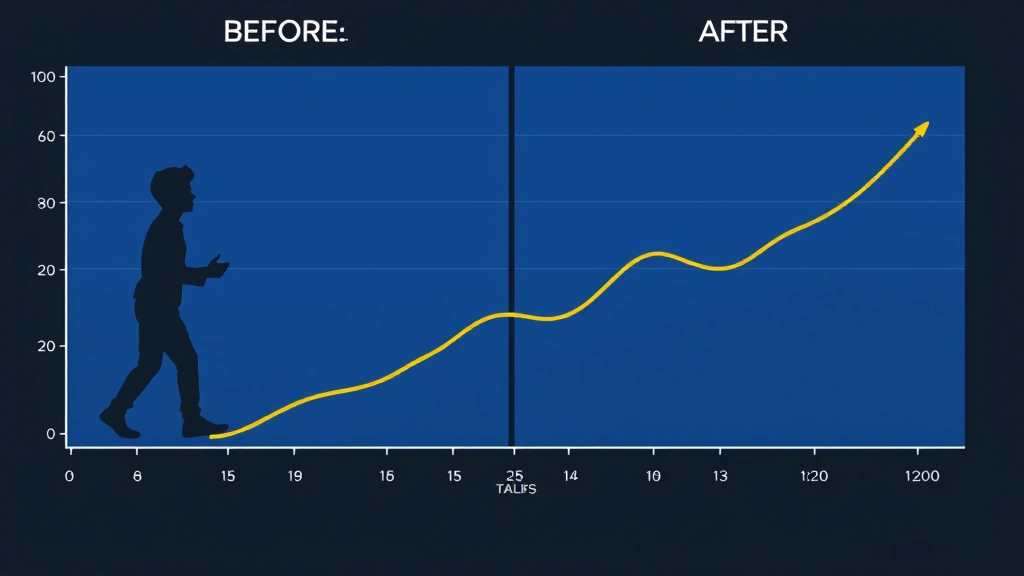
Measuring Progress Without Burning Out
One of the trickiest parts is knowing if you’re actually improving. Improvement isn’t always linear or obvious.
The best way to measure progress is to compare your current work to your past work. Record videos of yourself presenting from month one and month three. Save your early writing and compare it to what you’re writing now. Keep code samples from different points in your learning journey.
You can also use external benchmarks. If you’re learning a language, take a formal test. If you’re learning music, record a specific piece and see if it’s tighter. If you’re learning design, show your work to users and track their feedback scores.
But here’s the thing—don’t measure too frequently. Weekly comparisons will make you crazy because real improvement takes time. Monthly or quarterly checkpoints work better. You’ll see real differences at that scale.
Also, recognize that progress isn’t always about getting “better”—sometimes it’s about getting different. You might develop a new weakness when you level up. That’s not failure. That’s leveling up. It means you’ve mastered the basics and now you’re working on intermediate skills.
FAQ
How long does deliberate practice actually take to show results?
It depends on the skill and your starting point, but most people notice meaningful improvement within 3-6 months of consistent deliberate practice. Some skills (like a new language) might take longer. Others (like improving your writing) can show progress in weeks. The key is consistency, not intensity.
Can you do deliberate practice without a coach or mentor?
Yes, but it’s harder. A coach or mentor can spot things you can’t see about yourself and provide expert feedback. But if you don’t have access to one, you can create a feedback system using peers, recording yourself, or clear objective criteria. It just requires more self-awareness and honesty.
What if I don’t have time for daily practice?
Quality beats quantity. Three focused 30-minute sessions of deliberate practice beat five hours of unfocused practice. Even 15-20 minutes of real deliberate practice is better than an hour of casual work. Start with what you can commit to consistently.
Is deliberate practice the same as “10,000 hours to mastery”?
No. The 10,000-hour figure came from Ericsson’s research, but people misunderstood it. It’s not “10,000 hours of anything equals mastery.” It’s “10,000 hours of deliberate practice, in a domain with clear feedback, can get you to elite levels.” The type of practice matters way more than the total hours.
What skills can you use deliberate practice for?
Pretty much anything. Writing, coding, sports, music, languages, public speaking, design, negotiation, cooking—if it’s a skill that can improve, deliberate practice applies. The specific exercises change, but the principle is the same: targeted work on weaknesses with immediate feedback.
Deliberate practice isn’t a shortcut. It’s actually harder than casual practice because it demands your full attention and forces you to face your limitations. But it’s also the most reliable way to actually get good at something. You’re not hoping improvement happens—you’re designing it into your practice.
Start small. Pick one skill. Identify one specific weakness. Design one targeted exercise. Get one round of feedback. Then repeat. That’s it. You don’t need a perfect system. You need consistency and honesty about where you actually stand.
The people who master skills aren’t necessarily more talented. They’re just more deliberate about how they practice. And that’s something you can control.