
Building Confidence Through Deliberate Practice: A Real-World Guide
Let’s be honest—confidence doesn’t just appear one day. It’s built, piece by piece, through doing things that scare you a little. Whether you’re learning a new skill at work, picking up a hobby, or trying to level up in your career, the path to genuine confidence is paved with practice. Not just any practice, though. We’re talking about deliberate practice—the kind that actually moves the needle.
You’ve probably heard someone say, ‘Just do it 10,000 times and you’ll be great.’ That’s partly true, but it’s also kind of a myth. You can do something badly for 10,000 times and stay terrible. The difference between people who build real skill and confidence versus those who plateau is usually this: they practice with intention. They know what they’re working on, why it matters, and they adjust when things aren’t working.
In this guide, we’re going to break down how deliberate practice actually works, why it builds confidence faster than just grinding away, and how to set yourself up for real progress. Because here’s the thing—once you see yourself improving, once you notice you’re handling situations that used to make you nervous, that’s when confidence becomes real.
What Is Deliberate Practice, Really?
Deliberate practice is basically focused, intentional training aimed at improving specific aspects of your performance. It sounds academic, but it’s actually pretty simple: instead of just doing something over and over, you’re doing something with purpose.
Here’s what sets it apart. Regular practice might be playing guitar for an hour every day. Deliberate practice is spending 20 minutes on that tricky chord transition that’s been giving you trouble, breaking it down into smaller pieces, and working through it slowly until your fingers know where to go without thinking about it. One feels productive. The other actually is.
The research backs this up. Psychological research on peak performance shows that deliberate practice is what separates experts from everyone else—not raw talent, not luck, but focused, intentional effort. When you practice deliberately, you’re also building what researchers call metacognition—basically, thinking about your thinking. You’re aware of what you’re doing, why you’re doing it, and whether it’s working.
When you engage in metacognitive strategies, you’re essentially becoming your own coach. You notice when something isn’t clicking. You adjust. You try a different approach. And that awareness? That’s incredibly confidence-building because you’re not just hoping you’ll get better—you’re actively making yourself better.
Why Confidence Matters in Skill Development
Here’s something people don’t always talk about: confidence and skill feed each other. You get better at something, you feel more confident doing it. That confidence makes you more willing to try harder things. Which makes you better. Which makes you more confident. It’s a beautiful cycle—when it’s working.
But it can also work in reverse. You try something hard, mess up, and suddenly you’re doubting yourself. You avoid practicing that thing because it feels uncomfortable. Your skill doesn’t improve. Your confidence drops further. Now you’re stuck.
The key is understanding that confidence isn’t about feeling like you’re amazing at something—it’s about trusting yourself to handle what comes next. It’s the belief that if you mess up, you can figure it out. That you’ve done hard things before and you can do them again. That’s the kind of confidence that actually matters.
When you practice deliberately and see yourself improving, that trust builds naturally. You’re not faking confidence or trying to psych yourself up. You’re building it on a foundation of real evidence that you’re getting better. That’s why cultivating a growth mindset is so crucial—it helps you see setbacks as information, not indictment.
There’s also the neurological piece. Every time you practice something and get feedback, your brain is literally rewiring itself. New neural pathways are forming. This isn’t metaphorical. Neuroplasticity research shows that your brain is changeable, malleable, responsive to training. When you understand that your brain can actually change through practice, it’s easier to believe that you can get better. And that belief is confidence.

The Feedback Loop That Builds Real Confidence
Deliberate practice without feedback is like throwing darts in the dark. You might eventually hit the board, but you won’t know where you’re landing. Feedback is what makes practice deliberate instead of just repetitive.
There are different types of feedback, and not all of them are equally useful. Outcome feedback tells you whether you succeeded or failed. ‘You nailed that presentation’ or ‘You didn’t get the job.’ That’s useful information, but it doesn’t tell you what to do differently next time. Process feedback is more specific. ‘Your pacing was great, but you rushed through the technical explanation’ or ‘Your opening hook was strong, but you lost them in the middle section.’ Now you know what to work on.
The best feedback comes from multiple sources. A mentor can give you perspective you’re missing. Peers can point out things you might not notice about yourself. And sometimes, honest self-assessment—really watching yourself, noticing patterns—is the most valuable feedback of all. When you’re learning to give effective feedback to yourself and others, you’re actually accelerating everyone’s growth.
Here’s the confidence-building part: when you get specific, actionable feedback and then practice based on it and see improvement, that’s undeniable. You can’t argue with results. You tried something different, it worked, and now you’re better. That’s the kind of evidence that builds real, unshakeable confidence.
Set up feedback loops before you need them. If you’re working on a skill, find someone who’s further along than you and ask them to watch you work. Record yourself. Keep a simple log of what you’re practicing and what you notice improving. Make feedback part of your practice routine, not an afterthought.
Common Obstacles and How to Push Through Them
Here’s the part nobody talks about much: deliberate practice is hard. It’s supposed to be. If it’s not challenging, you’re not actually practicing—you’re just doing something you already know how to do.
The challenge is that most people hit a plateau and assume they’ve hit their limit. ‘I guess I’m just not a math person’ or ‘I’m not naturally good at public speaking.’ What’s actually happening is they’ve hit the difficulty level where real learning starts, and it feels uncomfortable, so they back off.
One major obstacle is perfectionism masquerading as high standards. You want to do it right, so you avoid the messy middle where you’re still figuring things out. You don’t practice in front of people until you’re ‘ready.’ You don’t ship your work until it’s perfect. Meanwhile, other people are out there doing imperfect things, getting feedback, and improving fast.
Another big one is comparing your beginning to someone else’s middle. You watch someone who’s been practicing for five years and think, ‘I’ll never be that good.’ You probably will be, but not if you quit after five weeks because you’re not where they are yet. Everyone starts terrible. Everyone. The people who get good are just the ones who were willing to be terrible for long enough to figure it out.
There’s also the issue of practicing the wrong thing. You’re putting in the work, but you’re not focused on what actually matters. This is where having a clear goal-setting framework helps. Not vague goals like ‘get better at writing,’ but specific ones: ‘improve my ability to write clear, punchy opening paragraphs’ or ‘learn to structure arguments so they’re easy to follow.’
When you hit a wall, here’s what usually helps: break it down smaller. If you can’t do the whole thing, what’s the smallest piece you can practice? If you’re stuck, find someone who’s figured it out and ask them how. If you’re bored, find a way to make it more challenging or more relevant. The obstacle is usually just a sign you need to adjust your approach, not that you’re incapable.
Many people also struggle with overcoming learning plateaus—those frustrating stretches where you’re practicing but nothing seems to be improving. These are actually crucial moments. Your brain is consolidating what you’ve learned. Push through them with slightly different approaches, more frequent feedback, or a shift in what you’re focusing on.
Measuring Progress Without Losing Your Mind
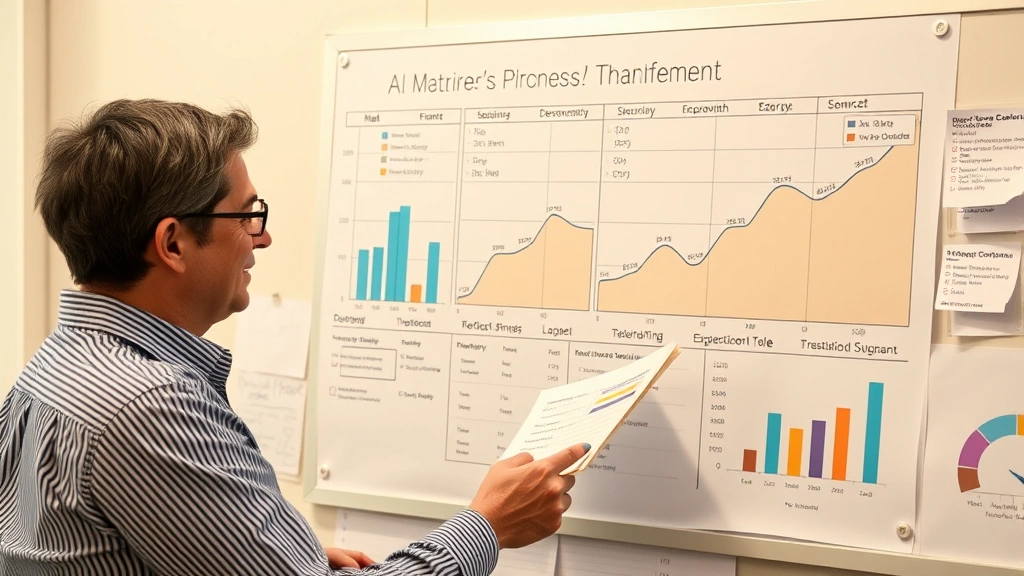
One of the best confidence boosters is seeing tangible progress. But here’s the trap: if you only measure progress by the final outcome, you’ll go long stretches without feeling like you’re getting anywhere.
Instead, measure the process. Are you practicing more consistently? Check. Are you getting better feedback? Check. Are you noticing improvements in specific areas? Check. These are all signs that deliberate practice is working, even if you haven’t reached your ultimate goal yet.
Keep a simple practice log. Nothing fancy. Just: what did I practice, how long, what did I notice, what will I do differently next time? Over a few weeks, you’ll see patterns. You’ll notice you’re faster than you were. You’re making fewer mistakes in certain areas. You’re able to handle more complexity. These small wins stack up into real confidence.
Be specific about what you’re measuring. Instead of ‘getting better at my job,’ measure things like: ‘completing tasks 20% faster,’ ‘getting positive feedback on presentations,’ ‘solving problems without asking for help,’ ‘having ideas that get implemented.’ Real, observable things.
Also, be honest about where you’re starting. If you’re terrible at something now, that’s actually great information. It means there’s tons of room to improve, and every step forward is going to feel like real progress. Someone who’s already pretty good at something often plateaus faster because the improvements are smaller and harder to notice.
When you’re tracking your skill development effectively, you’re creating a record of your own growth. That record becomes powerful evidence that you can improve, that effort works, that you’re capable of learning. That’s confidence.
FAQ
How long does it take to build real confidence through deliberate practice?
It depends on the skill and how deliberately you’re practicing, but most people see meaningful progress in 4-8 weeks of consistent, focused practice. You won’t be an expert, but you’ll notice you’re better than you were. And that matters. The confidence comes from seeing improvement, not from being perfect.
What if I’m practicing but not seeing improvement?
You’re probably either not practicing deliberately enough (not focused on specific things), not getting good feedback, or practicing the wrong things. Zoom in. Pick one specific aspect and focus on that for a week. Get feedback from someone else. Adjust. Deliberate practice should show results.
Is natural talent a thing, or is it all practice?
It’s both, but practice is way more important than people think. Yes, some people start with advantages. But deliberate practice is what turns those advantages into actual skill. And it’s also what turns people without initial advantages into experts. The research is pretty clear: practice beats talent when talent isn’t practicing.
How do I stay motivated during the hard middle part?
Connect your practice to something you actually care about. If you’re learning to code because you think you should, you’ll quit. If you’re learning because you want to build something specific, you’ll keep going. Also, celebrate small wins. Notice when you’re better than you were last week. Tell someone about your progress. Make it real.
Can I do deliberate practice in areas where I have no natural ability?
Absolutely. In fact, those are often the areas where deliberate practice matters most. If you’re naturally good at something, you might never push hard enough to get truly great. But if you’re starting from zero, every bit of progress is earned. And earned progress builds unshakeable confidence.