Table of Contents
- Introduction
- Definition and Key Concepts of Experiential Learning
- How Experiential Learning Works
- Frequently Asked Questions
- What is the main difference between experiential learning and traditional learning?
- Can experiential learning be applied online?
- Who can benefit the most from experiential learning?
- How can educators incorporate experiential learning in their teaching?
- What are some common challenges with experiential learning?
Introduction
Think back to the last time you really learned something. Not just memorized it for a test, but actually got it. Chances are, you weren’t sitting in a lecture hall taking notes. Maybe you were building something, solving a real problem, or figuring things out through trial and error. That’s experiential learning in action—and it’s changing how we think about education.
Here’s the thing: traditional classrooms aren’t cutting it anymore. You know the drill—sit quietly, listen to lectures, regurgitate information on tests. But in a world that’s changing faster than ever, we need learners who can think on their feet, solve complex problems, and adapt to new situations. That’s where hands-on learning comes in. When students engage directly with materials and challenges, they develop critical thinking and real-world skills that actually stick. Plus, education technology trends are making these experiences more personalized and immersive than we ever thought possible.
But there’s something else happening here that’s pretty remarkable. When students learn through doing, their whole relationship with education changes. The research on education and mental health shows something fascinating: active learning environments don’t just improve academic outcomes—they boost engagement, reduce anxiety, and help students feel more connected to their learning. When you can see the direct impact of your efforts, motivation naturally follows. And with the right education support services in place, every learner gets a shot at success, regardless of their background or learning style.
Now, if you’re an educator reading this, you might be wondering: “This sounds great, but how do I actually make it happen in my classroom?” Fair question. The secret is in the planning. You need lessons that balance clear objectives with space for exploration and reflection. That’s where resources like how to create lesson plans and how to write a lesson plan become invaluable. They’ll show you how to design experiences that connect theory with practice in ways that actually make sense to students.
What You’ll Learn in This Guide
Ready to dive deeper? This guide breaks down everything you need to know about experiential learning, whether you’re a student, teacher, or just someone curious about better ways to learn. Here’s what we’ll cover:
- Definition and Core Concepts: We’ll start with the basics—what experiential learning actually is and why learning by doing creates such lasting impact (spoiler: it has everything to do with how our brains are wired).
- The Learning Cycle Explained: You’ll discover the four stages every experiential learner goes through: concrete experience, reflective observation, abstract conceptualization, and active experimentation. Don’t worry—we’ll break down each phase with real examples that make it click.
- Benefits and Applications: See how this approach supercharges skills like critical thinking, creativity, and problem-solving, plus explore how it’s being used everywhere from elementary classrooms to corporate training programs.
- Overcoming Challenges: Let’s be honest—implementing experiential learning isn’t always smooth sailing. We’ll tackle the common roadblocks (like time constraints and resource limitations) and give you practical strategies to work around them.
Throughout our exploration, we’ll connect the dots between experiential learning and other crucial educational topics. Want to know how it ties into critical thinking development? Or how it supports education and sustainability initiatives? We’ve got you covered. The goal is to give you a complete picture of how experiential learning fits into the bigger educational landscape.
We’ll also peek into the career side of things. The field of educational technology is exploding right now, and there are incredible opportunities for people who understand how to design and implement experiential learning programs. Check out careers in educational technology to see what’s possible. And if you’re involved in promoting educational programs, understanding digital marketing for universities can help you reach learners who are hungry for these innovative approaches.
Here’s what I love most about experiential learning: it flips the script on traditional education. Instead of passive absorption, you get active engagement. Instead of memorizing facts, you’re building understanding. Instead of learning for the test, you’re developing skills for life. This guide will give you the tools, insights, and real-world examples you need to bring experiential learning into your world—whether that’s your classroom, your workplace, or your own personal learning journey. Get ready to discover how learning can be more engaging, more meaningful, and definitely more memorable than you ever imagined.
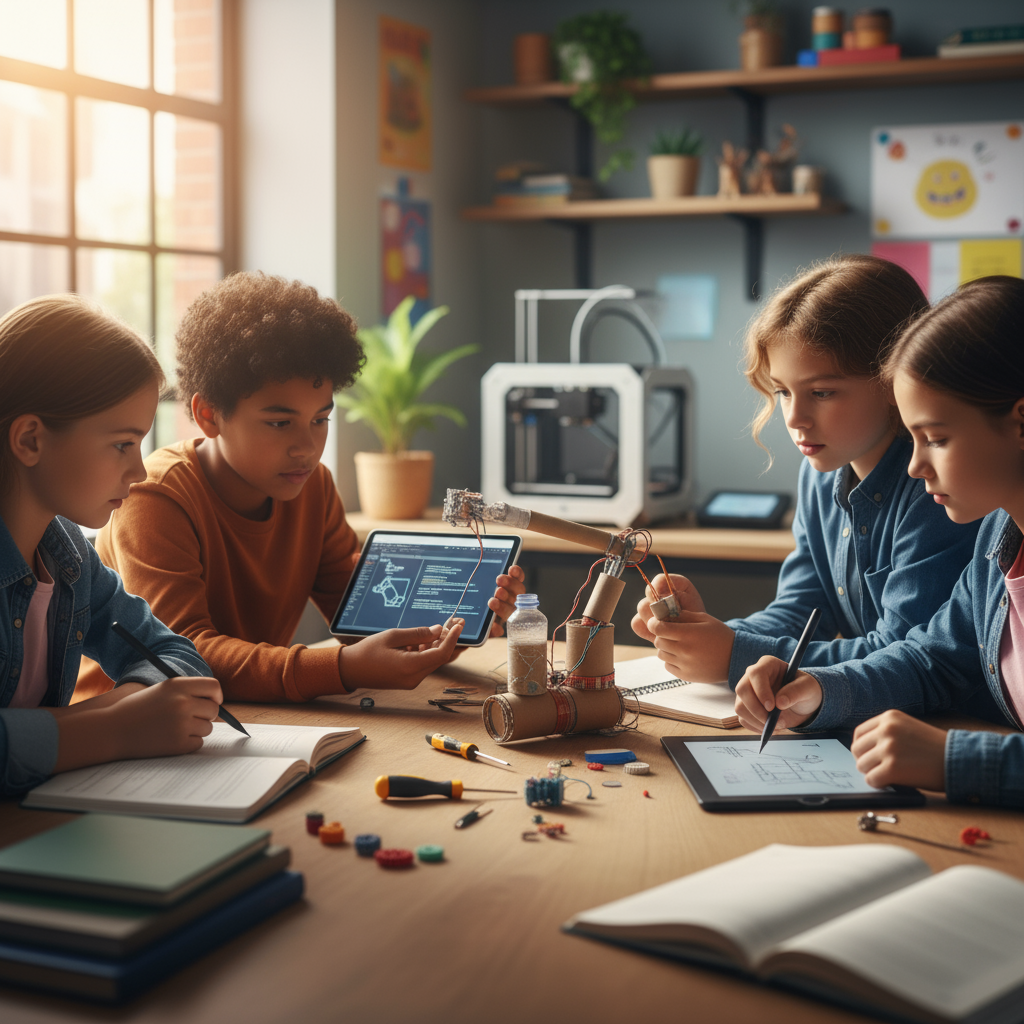
Think about the last time you truly learned something that stuck with you. Chances are, you weren’t sitting in a lecture hall taking notes—you were doing something. Maybe you learned to drive by actually getting behind the wheel, or figured out how to cook by burning a few meals first. That’s experiential learning in action, and it’s changing how we think about education entirely.
Experiential learning throws out the old “sit and listen” model. Instead, it gets learners involved in real experiences where they can touch, test, and sometimes fail their way to understanding. It’s messier than traditional classroom instruction, sure, but it’s also way more effective. Students don’t just memorize concepts—they live them. And here’s what’s interesting: this hands-on approach doesn’t just build knowledge. It develops critical thinking, problem-solving skills, and the kind of personal growth that actually prepares people for the real world.
We’re going to dive into two key areas that’ll help you understand what makes experiential learning so powerful. First, we’ll break down exactly what it is and explore the core concepts that make it work. Then we’ll walk through the actual process—how learning unfolds when you put theory into practice.
Definition and Key Concepts of Experiential Learning
So what exactly is experiential learning? At its heart, it’s learning by doing, reflecting, and applying what you’ve discovered. Think of it as the difference between reading about riding a bike and actually hopping on one. You’re not just absorbing information—you’re actively engaged in the entire process, from the initial experience right through to making sense of what happened.
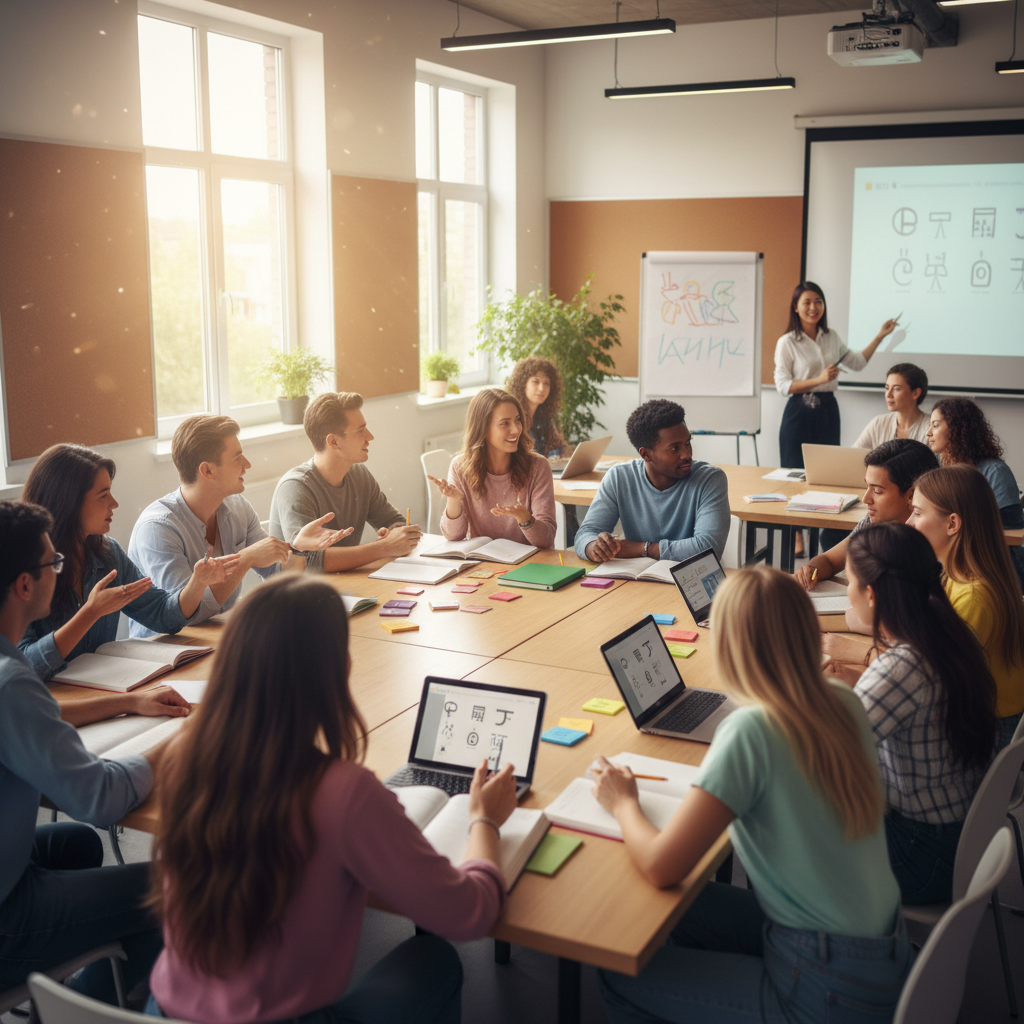
Here’s what makes this approach different: it puts the learner in the driver’s seat. Rather than passively receiving information (like in those lectures where your mind starts wandering after ten minutes), students become active participants in their own education. The magic happens when you combine real experience with thoughtful reflection. You can explore more about these principles of experiential learning to see how they guide everything from curriculum design to assessment.
But there’s more to it than just “learning by doing.” Experiential learning creates a bridge between those abstract concepts that seem so disconnected from real life and the actual challenges you’ll face outside the classroom. Remember cramming for tests and forgetting everything a week later? This approach flips that script. When you test ideas in authentic situations, make real decisions, and analyze actual results, the learning sticks. It has to—because you’ve lived it.
And here’s where things get really exciting: technology is opening up incredible new possibilities for experiential learning. Virtual simulations, interactive platforms, and augmented reality experiences mean you can “do” things that would be impossible, dangerous, or just too expensive in the real world. Check out these education technology trends to see how innovation is expanding what’s possible in experiential education.
Principles of Experiential Learning
Let’s get practical. What actually makes experiential learning work? There are four key principles that form the foundation of this approach, and understanding them helps both educators and learners get the most out of the experience.
- Learning through Experience: This one’s pretty straightforward—you learn by jumping in and doing things. No more sitting on the sidelines watching someone else demonstrate. When you engage directly with tasks and environments, learning becomes concrete and relevant. You’re not just observing concepts; you’re living them.
- Reflection and Analysis: Here’s where the real learning happens. After you’ve had an experience, you step back and think critically about what went down. What worked? What didn’t? Why did things turn out the way they did? This reflection time isn’t just nice to have—it’s where insights are born and understanding deepens.
- Application of Knowledge in Real-World Settings: This is where theory meets reality. You take what you’ve learned and test it out in authentic situations. It’s one thing to understand a concept in theory; it’s another thing entirely to make it work when it counts. This application phase builds both skills and confidence.
- Continuous Learning Cycle: Experiential learning never really ends. Each cycle of experience, reflection, thinking, and experimentation builds on the last one. It’s like a spiral staircase—you keep moving upward, but each level gives you a new perspective on what you’ve learned before.
These principles work together to create something special: a learning environment that’s engaging, creative, and produces results that actually matter. If you’re an educator looking to bring these concepts into your own practice, you’ll find practical guidance in these education and professional development resources.
Now that we’ve covered the what and why, let’s dig into the how. Understanding the experiential learning cycle will show you exactly how this process unfolds from that first “aha” moment to genuine mastery.
How Experiential Learning Works
The beauty of experiential learning lies in its cycle—a structured yet flexible process that guides learners from initial experience to deep understanding. It’s not random “learning by doing.” There’s actually a method to the madness, and recognizing these stages helps educators design activities that hit all the right notes for maximum learning impact.
Think of it like learning to play a musical instrument. You don’t just pick up a guitar and immediately start playing songs (though you might try). You experience the challenge, reflect on what’s working and what isn’t, develop some understanding of music theory, then experiment with new techniques. Each cycle through this process makes you better. That’s exactly how experiential learning works, whether you’re in a traditional classroom or exploring classroom management strategies that support this kind of active learning.
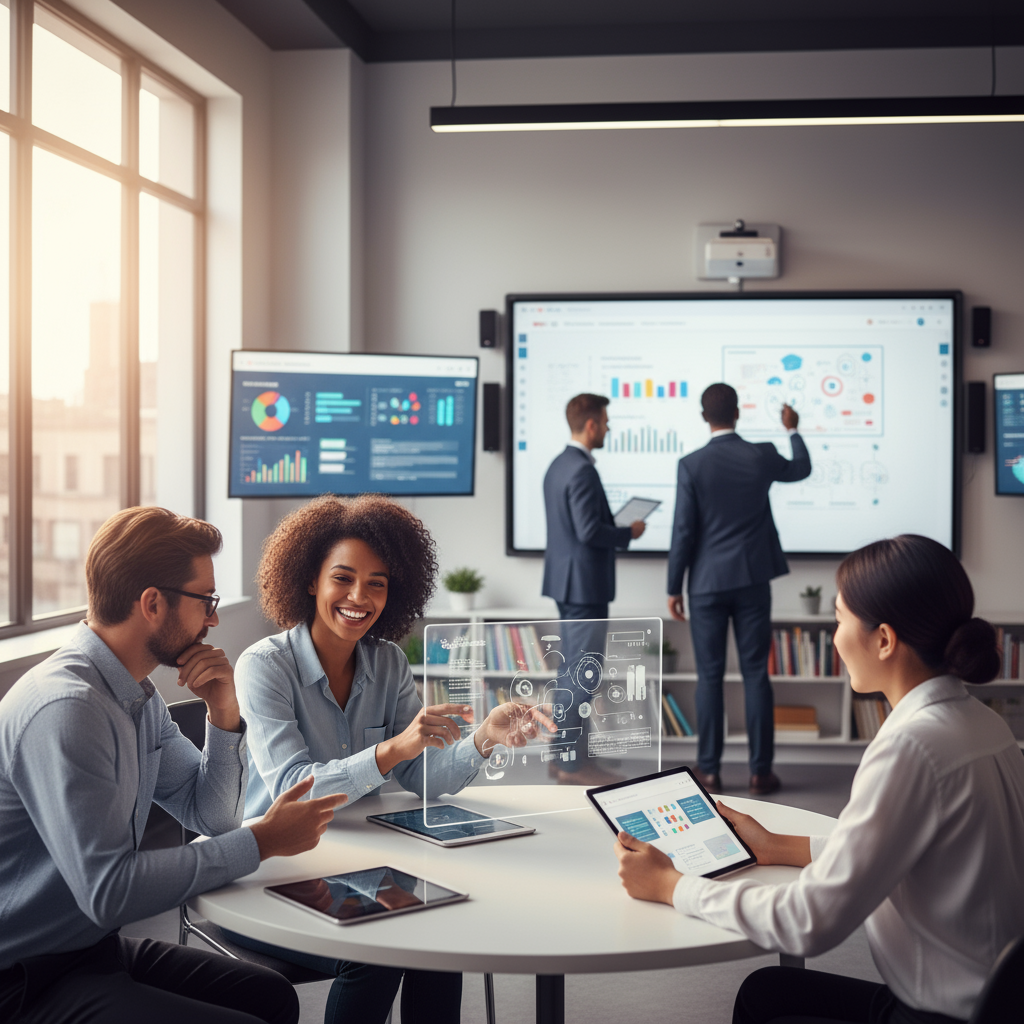
What’s really exciting is how technology amplifies this entire process. Virtual reality experiences can put you in historical events, augmented reality can overlay digital information onto real-world problems, and sophisticated simulations can let you experiment with ideas that would be impossible to test otherwise. The future of experiential learning is being shaped by these education and innovation trends right now.
Stages of Experiential Learning
The experiential learning cycle has four distinct stages, and each one plays a crucial role in helping learners progress from initial experience to genuine expertise:
- Concrete Experience: This is where it all begins—you dive in and do something. Maybe it’s a hands-on project, tackling a real-world problem, or participating in a simulation. The key is that your engagement is direct and immersive. You’re not watching someone else do it; you’re in the thick of it yourself.
- Reflective Observation: After the dust settles from your experience, it’s time to step back and really think about what happened. This isn’t just casual thinking—it’s deliberate, critical reflection. What went well? What didn’t? What surprised you? This stage is where you start making sense of your experience.
- Abstract Conceptualization: Now comes the intellectual heavy lifting. You take all those reflections and start building theories, concepts, or generalizations. You’re looking for patterns, connecting your experience to broader principles, and developing frameworks that help you understand not just what happened, but why it happened.
- Active Experimentation: Time to test your new understanding. You take those concepts you’ve developed and try them out in different contexts. This experimental phase is where you refine your skills, build confidence, and discover how adaptable your new knowledge really is.
The magic happens when educators structure learning to support this natural cycle. They create opportunities for hands-on experiences, build in time for meaningful reflection, help students make conceptual connections, and provide spaces for experimentation. When done well, students don’t just learn academic content—they develop as people. For concrete examples of how this plays out in practice, take a look at these project-based learning examples that bring the experiential learning cycle to life.

Here’s what I’ve learned after years in education: experiential learning changes everything. Instead of students passively memorizing facts (only to forget them after the test), this approach gets them actively involved in their own learning. Think hands-on experiences, real reflection, and actual application of what they’ve learned. The result? Students who think critically, solve problems creatively, and actually remember what they’ve learned months later.
The learning cycle itself is pretty brilliant. Students experience something directly, reflect on what happened, apply those insights in new situations, then experiment again. It’s like learning to ride a bike—you can’t just read about it. This approach creates learners who can adapt, stay motivated, and tackle complex challenges head-on. And here’s the bonus: the benefits don’t stop at graduation. These skills transfer into personal growth, academic success, and professional development.
Now, technology is making this even more exciting. Virtual simulations, interactive platforms, personalized learning experiences—we can now give students immersive educational opportunities that weren’t possible just a few years ago. (Sometimes I think students today have no idea how lucky they are.) These tools are opening doors for learners everywhere, regardless of their background or location.
But let’s be practical about implementation. You can’t just throw students into an experience and hope for the best. It takes deliberate planning to create those meaningful moments where theory meets practice. As educators, we need to design lessons that balance exploration with clear learning objectives—and that’s where the real art of teaching comes in.
Ready to put this into practice? Start by mastering how to create lesson plans that weave in experiential methods naturally. Your students will thank you for it. For concrete inspiration, check out these project based learning examples that show how experiential learning works across different subjects and grade levels. And if you want to stay ahead of the curve, understanding education and innovation will help you leverage the latest tools to make your experiential learning even more impactful.
Thinking bigger picture? Consider exploring a career in educational technology. This field is where education meets innovation, and professionals here are literally shaping how the next generation learns. By combining tech expertise with educational insight, you could be designing the learning experiences that prepare students for whatever comes next.
So here’s my challenge to you: don’t just read about experiential learning—live it. Whether you’re crafting your next lesson plan, looking for more engaging ways to learn, or considering a career change, experiential learning offers a path to real growth. Dive deeper, reflect honestly, and embrace the tools and methods that are reshaping education. The future of learning isn’t passive—it’s active, immersive, and connected to the real world. Time to jump in and make your educational journey truly transformational.
Frequently Asked Questions
-
What is the main difference between experiential learning and traditional learning?
- Experiential learning focuses on learning through experience and reflection, unlike traditional rote memorization methods.
-
Can experiential learning be applied online?
- Yes, through virtual simulations, projects, and interactive activities.
-
Who can benefit the most from experiential learning?
- Students, professionals, and anyone looking to deepen their practical skills.
-
How can educators incorporate experiential learning in their teaching?
- By designing hands-on projects, encouraging reflection, and facilitating active participation.
-
What are some common challenges with experiential learning?
- Challenges include lack of facilitation, limited reflection time, and learner resistance.