Table of Contents
Introduction
Picture this: a student struggling with reading sits in the back corner, hoping no one notices they can’t keep up. Another child battles anxiety every morning before school. And there’s the kid who learns differently, watching classmates grasp concepts that feel impossibly out of reach. Here’s what these students have in common—they all deserve support that meets them exactly where they are.
That’s where education support services come in. Think of them as a safety net, a helping hand, and a bridge all rolled into one. These aren’t just nice-to-have extras—they’re game-changers that can transform a student’s entire educational journey. We’re talking about everything from tutoring and counseling to specialized accommodations and health services. The goal? Making sure every single student has what they need to succeed, regardless of their starting point or the challenges they face.
Now, you might wonder how schools figure out the best ways to organize all this support. That’s where smart leadership comes into play. Understanding different education leadership styles helps schools create systems that actually work for their students. And here’s something fascinating—when schools embrace the benefits of bilingualism in education, they’re not just supporting language learners. They’re creating richer, more inclusive environments that benefit everyone.
Let’s be honest about something important: school isn’t just about math and reading anymore. (Was it ever, really?) Students today face pressures and challenges that go way beyond academics. Social anxiety, family stress, learning differences—these all show up in the classroom whether we acknowledge them or not. That’s why the connection between education and mental health has become impossible to ignore. Schools that get this right? They’re seeing incredible results in both academic achievement and student well-being.
But education doesn’t exist in a bubble. What happens in schools ripples out into communities and back again. Take the relationship between education and public health—when schools focus on whole-child wellness, entire communities benefit. And don’t even get me started on how exciting the latest education technology trends are for support services. We’re talking about tools that can personalize learning in ways we never imagined possible.
What You’ll Learn in This Guide
Ready to dive deep into the world of education support services? This guide will walk you through everything you need to know—from the nuts and bolts of different programs to the real-world strategies that make them work. Whether you’re a parent advocating for your child, an educator looking to improve your approach, or someone who just cares about making education better for all kids, you’re in the right place.
- Types of Education Support Services: We’ll explore the full spectrum—academic tutoring, behavioral interventions, counseling services, and physical accommodations. You’ll see how these pieces fit together like a puzzle to support the whole child.
- Benefits of Education Support Services: Here’s where we get into the good stuff—how these services actually change lives. Better grades? Absolutely. But we’re also talking about confidence, social skills, and that spark that comes when a student finally feels understood.
- Implementation Strategies: This is the practical part. How do you actually make support services work in the real world? We’ll cover everything from identifying student needs to building teams that collaborate effectively.
- Challenges and When to Seek Help: Let’s get real about the obstacles. Budget constraints, staffing issues, complex student needs—we’ll talk about how to navigate these challenges and when it’s time to bring in outside expertise.
Throughout this journey, we’ll dig into each type of support service with the detail it deserves. You’ll discover how academic assistance programs can turn struggling readers into confident learners. We’ll explore why behavioral and emotional support isn’t just helpful—it’s essential for creating classrooms where every student can thrive. And yes, we’ll talk about those health-related services that can be absolute lifelines for students with medical needs or disabilities.
But here’s what makes this guide different: we’re not just talking theory. You’ll get concrete, actionable advice on building individualized education plans that actually work. We’ll show you how to create partnerships between schools, families, and specialists that support students instead of creating more bureaucracy. Because at the end of the day, it’s all about the kids.
By the time you finish reading, you’ll understand why education support services aren’t just add-ons to “real” education—they ARE education. They’re what make learning accessible, inclusive, and transformative for every student who walks through the school doors. So let’s get started on this exploration together. Your students (current or future) are counting on advocates like you to make their educational journey everything it can be.

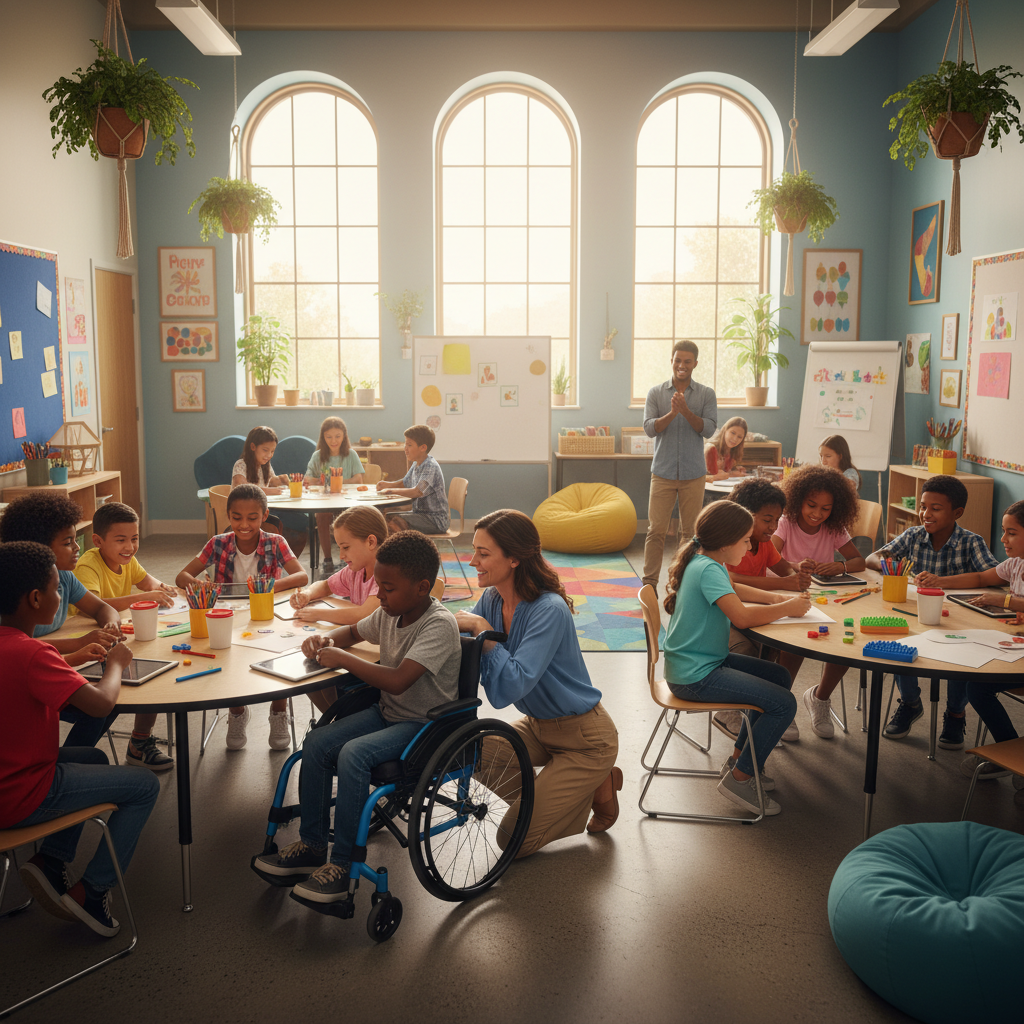
Every student deserves a shot at success—but let’s be honest, not every child learns the same way or faces the same challenges. That’s where education support services come in. These aren’t just add-ons to traditional teaching; they’re game-changers that tackle everything from learning struggles to emotional hurdles to physical barriers. Think of them as a safety net that catches students before they fall through the cracks. Whether a kid is wrestling with dyslexia, dealing with anxiety, or navigating a physical disability, these services step in to level the playing field. And here’s what’s exciting: as schools embrace new technologies and inclusive practices, we’re seeing these support systems become more powerful than ever.
Types of Education Support Services and Their Impact
So what exactly are we talking about when we say “education support services”? Picture this: it’s like having a toolkit where each tool serves a specific purpose. You’ve got academic support for when students hit roadblocks with math or reading. Behavioral and emotional support for kids who need help managing their feelings or building friendships. And physical support for students who require mobility aids or therapy services. Each piece of this puzzle matters because students don’t exist in neat little boxes—they’re complex human beings with layered needs.
Take academic support, for example. This isn’t your typical after-school tutoring (though that’s part of it). We’re talking about programs that dig deep into how each student learns best, then adapt accordingly. Some kids need visual aids, others learn better through movement, and some just need extra time to process information. The magic happens when support providers work closely with students to crack the code of their unique learning style. Meanwhile, behavioral and emotional support tackles the stuff that textbooks don’t teach—like how to handle frustration, make friends, or cope with stress. These services don’t just reduce classroom disruptions; they build the emotional intelligence kids need for life. In fact, understanding the connection between education and mental health shows us just how crucial this emotional foundation is for academic success.
Key Aspects of Education Support Services
Let’s break down what effective support services actually look like in action:
- Academic Assistance: This goes way beyond homework help. We’re talking personalized tutoring that meets students where they are, plus workshops that teach kids how to study smarter, not harder. The research backs it up—when support is tailored to individual needs, learning outcomes skyrocket.
- Behavioral Interventions: These aren’t punishment systems; they’re roadmaps for success. Structured behavior plans help students understand expectations, while social skills training gives them the tools to navigate friendships and handle conflicts like pros.
- Health and Mobility Services: Sometimes the biggest barriers to learning are physical ones. Occupational therapy, mobility aids, and health accommodations ensure that every student can access their education fully and safely—no exceptions.
- Learning Accommodations: Think extended test time, assistive technology, or modified assignments. These aren’t “cheating”—they’re equalizers that help students with disabilities or learning differences show what they really know.
When schools get this right, something beautiful happens. Students who once struggled start thriving. Classrooms become more inclusive. And everyone—teachers, parents, and students—feels the difference. Now, let’s talk about how to make this vision a reality.
Implementing Education Support Services: Strategies for Schools and Educators
Here’s where the rubber meets the road. You can have the best intentions in the world, but without a solid plan, support services fall flat. It all starts with really understanding what each student needs—and that means going beyond gut feelings or quick observations. We’re talking comprehensive assessments that look at academic performance, classroom behavior, and input from everyone who knows the child. Teachers, parents, specialists—they all have pieces of the puzzle. This thorough approach ensures that resources go where they’re needed most, not where someone thinks they might help. And if you’re an educator looking to integrate these insights into your daily practice, learning how to create lesson plans that weave support strategies throughout can be a game-changer.
Once you know what a student needs, the real work begins: building an individualized plan that actually works. These aren’t cookie-cutter solutions—they’re custom-built roadmaps with specific goals, clear timelines, and built-in checkpoints to track progress. But here’s the thing: no one person can do this alone. Success happens when families, teachers, counselors, and therapists work as a team. Parents bring insights about their child’s strengths and challenges at home. Specialists contribute expertise about specific interventions. Teachers provide real-world classroom perspective. When everyone’s rowing in the same direction, students win.
Key Aspects of Implementing Support Services
Want to know what separates successful support programs from the rest? These four pillars make all the difference:
- Assessment and Identification: Skip the guesswork. Use systematic evaluation to pinpoint exactly what each student needs—whether it’s academic support, behavioral intervention, or health accommodations. Early identification isn’t just helpful; it’s often the difference between success and struggle.
- Individualized Planning: Cookie-cutter approaches don’t work with kids. Create tailored plans with measurable goals, clear resource allocation, and realistic timelines that everyone can follow and understand.
- Collaborative Engagement: This isn’t a solo act. Bring families, teachers, counselors, and therapists into the conversation. When everyone’s working together, students get consistent support both at school and at home.
- Continuous Monitoring and Adaptation: Set it and forget it? Not here. Regular check-ins and data-driven adjustments keep interventions on track and ensure students continue making progress over time.

Here’s what really matters: education support services aren’t just nice-to-have extras—they’re the foundation that makes inclusive, effective learning possible for every single student. We’ve covered a lot of ground in this guide, from academic tutoring and behavioral interventions to those critical physical and health accommodations that can make or break a student’s school experience. But here’s the thing that gets me excited about this work: these services don’t just help kids overcome obstacles. They build something far more valuable—confidence, social skills, and that inner resilience that carries them through life. The magic happens when thoughtful assessment meets individualized planning, and everyone (educators, families, specialists) actually works together instead of in silos.
Now, let’s talk about the real payoff. Sure, we see immediate academic improvements—and those matter. But the benefits stretch way beyond test scores and grade reports. We’re talking about students’ overall well-being, how they connect with their peers, and setting them up for long-term success that extends far beyond graduation day. When schools provide truly tailored assistance, something beautiful happens: students don’t just achieve more—they feel valued and understood. And that feeling? It sparks motivation, drives engagement, and fuels personal growth in ways that create lifelong learners who actually want to contribute to their communities.
So where do you go from here? Let’s get practical about your next steps. If you’re a school leader, diving into different education leadership styles can completely transform how you foster a culture that puts student support front and center. For educators in the trenches, mastering how to create lesson plans that weave support strategies right into the fabric of learning makes education accessible and engaging for everyone in your classroom. Don’t sleep on education technology trends either—these tools are game-changers for personalizing learning and meeting diverse needs effectively. And here’s something that often gets overlooked: understanding the connection between education and public health helps you see student support as part of something bigger—a whole-community wellness strategy that recognizes we need to support the whole child, not just their academic performance.
Look, championing education support services isn’t just about doing the right thing (though it absolutely is that). It’s about committing to equity and excellence because every student—every single one—deserves an education that recognizes their unique strengths and meets their specific challenges. You now have the strategies, insights, and resources to make real change happen. You can advocate effectively, implement thoughtfully, and keep improving these crucial support systems. Want to keep growing? Engage with teacher professional development opportunities that sharpen your skills, refresh your practices, and keep your team aligned around what really matters. Armed with knowledge and ready for action, you have everything you need to create those transformative educational experiences that ensure no learner gets left behind.
Frequently Asked Questions
-
What are education support services?
- Education support services are programs and interventions that assist students in overcoming academic, behavioral, or physical challenges to achieve success in school.
-
Who benefits most from education support services?
- Students with learning difficulties, disabilities, behavioral challenges, or health-related needs benefit greatly from tailored education support services.
-
How are education support services typically implemented?
- They are implemented through comprehensive assessments, the development of individualized education plans, and collaboration among educators, families, and specialists.
-
When should a student seek professional support services?
- When a student continues to struggle academically, socially, or emotionally despite general interventions, it’s important to seek specialized professional support.
-
Can education support services improve student outcomes?
- Yes, these services enhance academic achievement, boost confidence, improve social skills, and promote overall student well-being.