
Table of Contents
Introduction
Picture this: you walk into your classroom, and everything just clicks. Your students are engaged, the lesson flows seamlessly, and you feel completely in control. What’s behind those magical teaching moments? Nine times out of ten, it’s a solid lesson plan working behind the scenes.
Here’s the thing about lesson plans—they’re not just fancy paperwork your principal wants to see. They’re your teaching lifeline. Think of them as your GPS for the classroom: they keep you on track, help you navigate tricky concepts, and ensure you actually reach your destination (those learning goals we’re all chasing). When you’ve got a well-crafted plan in your back pocket, you can teach with real confidence and adapt on the fly when things don’t go exactly as expected. (And let’s be honest, when do they ever?)
Now, if you’re new to this whole lesson planning game, don’t worry. We’ve all been there—staring at a blank template, wondering where to start. The good news? There are proven strategies that work. Check out this comprehensive guide on how to create lesson plans for detailed steps that’ll get you started on the right foot. Trust me, once you understand the framework, everything becomes much clearer.
Let’s talk about what makes a lesson plan actually work. You’ve got your core components—learning objectives, materials, activities, and assessments—and each piece needs to play nicely with the others. It’s like orchestrating a symphony where every instrument has its moment to shine. The beauty is in how these elements come together to create lessons that reach different types of learners and keep everyone actively involved. And here’s where it gets exciting: if you want to spice things up with some tech integration, staying current with education technology trends can transform your planning from good to absolutely engaging.
But wait—there’s more to consider. Your lesson plan doesn’t exist in a vacuum. How you manage your classroom and keep students motivated? That’s all part of the bigger picture. When your classroom management is on point and your students are genuinely excited to learn, your lesson plans become exponentially more effective. It’s worth diving into proven classroom management strategies and learning how to motivate students. These skills work hand-in-hand with solid lesson planning to create the kind of learning environment where both you and your students thrive.
What You’ll Learn in This Guide
Ready to master the art of lesson planning? This guide is your roadmap to creating lessons that actually work—whether you’re just starting out or looking to fine-tune your approach. We’re going to break this down into bite-sized, actionable pieces you can use immediately.
- Understanding Lesson Plan Fundamentals: We’ll start with the basics—what exactly is a lesson plan, why it matters so much, and how good structure sets you up for teaching success (and saves your sanity).
- Key Components Breakdown: Let’s dissect what every solid lesson plan needs: clear objectives, the right materials, engaging activities, and smart assessment strategies that actually tell you if learning happened.
- Step-by-Step Writing Process: This is where the rubber meets the road—a practical, follow-along process from setting those learning objectives to designing activities that keep students hooked and assessments that make sense.
- Best Practices for Success: The insider tips that make the difference—staying clear and concise, building in flexibility (because kids will surprise you), and time management tricks that keep your lessons on track.
As we work through this together, you’ll see real examples and get expert insights that you can apply immediately in your classroom. This isn’t just about following a template—it’s about developing your instincts as an educator and learning to plan with both structure and creativity. Because the best teachers? They’re the ones who can adapt and respond while still hitting their learning targets.
When you get good at this lesson planning thing, everything changes. You’ll feel more confident, your students will learn better, and you’ll actually look forward to walking into your classroom each day. Plus, if you want to take things up a notch, exploring ways to develop critical thinking skills can add serious depth to your lesson content and get students thinking at higher levels.
So let’s dive in. You’re about to discover how to create lessons that don’t just fill time—they inspire, engage, and stick with your students long after the bell rings. The next sections will give you everything you need to plan like a pro and teach with purpose.
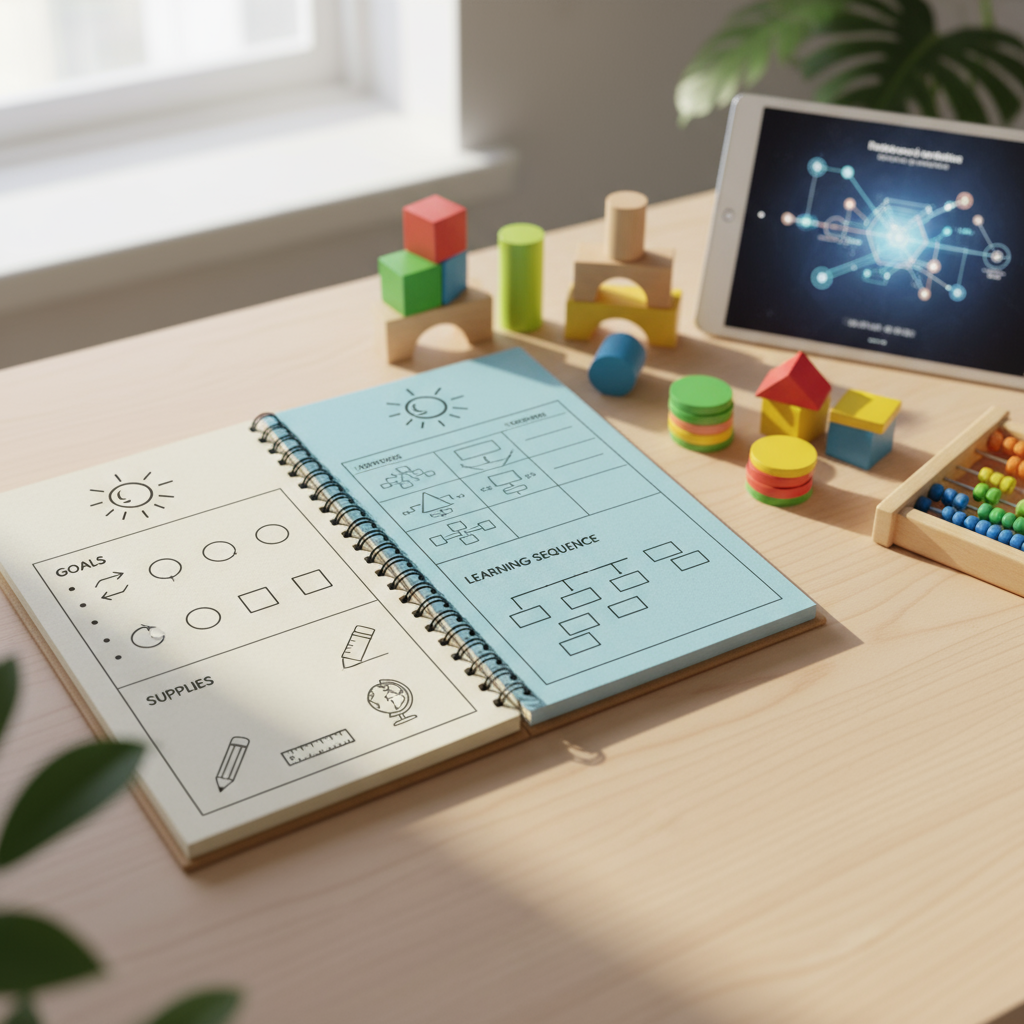
Let’s be honest—creating an effective lesson plan can make or break your teaching day. You know that feeling when everything clicks in your classroom? That usually starts with solid planning. We’ve already covered the basics of lesson planning, so now let’s dig into what really makes a lesson plan work: the essential components and the step-by-step process that’ll help you create lessons your students actually engage with.
Think of this as your practical guide to building lessons that don’t just look good on paper, but actually work in the real world of diverse learners, unexpected interruptions, and those moments when you need to pivot on the spot. When you understand both the building blocks of a great lesson plan and how to put them together, you’ll find your teaching becomes more intentional—and honestly, a lot less stressful.
Key Components of a Lesson Plan
Every lesson plan that actually works has certain elements that give it structure and purpose. These aren’t just boxes to check—they’re the pieces that help you stay focused, keep your students engaged, and know whether your lesson is hitting the mark. At the core of it all? Clear learning objectives that guide every decision you make about activities, materials, and assessment.
Here’s what I’ve learned after years in the classroom: when you nail down these essential components, your lessons flow better and your students know what to expect. You’ll want to check out this resource on how to create lesson plans effectively for a deeper dive into the planning stages and proven strategies that work.
Now, beyond those objectives, you’ve got your materials and activities—basically, the stuff that makes your lesson come alive. The right resources and engaging activities can transform a potentially boring topic into something students actually care about. (We’ve all seen the difference between a lesson that drags and one that flies by because everyone’s involved, right?)
And here’s something that took me way too long to figure out: building assessment right into your plan isn’t an afterthought—it’s how you know if your lesson actually worked. When you can measure understanding and adjust as you go, you’re not just teaching; you’re responding to your students’ needs in real time. This approach aligns perfectly with what we know about effective education leadership and planning, where clarity and adaptability go hand in hand.
Key Aspects of Lesson Plan Components
Let’s break down the fundamental parts that make lesson plans actually functional. Each of these components serves a specific purpose, and when they work together, they create a roadmap that benefits both you and your students:
- Objectives: These are your non-negotiable learning goals—clear, specific, and measurable. Think “Students will be able to…” rather than vague hopes. Good objectives tell you and your students exactly what success looks like by the end of class.
- Materials: Everything you need to make your lesson happen, from basic supplies to tech tools. Pro tip: always have a backup plan for when technology doesn’t cooperate. Trust me on this one.
- Activities: The heart of your lesson—how you’ll actually engage students and help them learn. Mix it up with discussions, hands-on work, individual tasks, whatever fits your objectives and your students’ needs.
- Assessment: Your reality check. Whether it’s a quick exit ticket, group discussion, or formal quiz, this is how you’ll know if your lesson hit the target or if you need to circle back tomorrow.
These components work as a complete system that keeps your lessons purposeful and flexible. Want to take it further? The insights on student motivation and engagement can really enhance how you execute these lesson plan elements.
So we’ve covered what goes into a solid lesson plan. But how do you actually put it all together? That’s where having a clear process comes in handy—a step-by-step approach that ensures you don’t miss anything important and keeps everything aligned with what your students need to learn.
Steps to Write an Effective Lesson Plan
Creating a lesson plan doesn’t have to feel overwhelming. Really. When you break it down into manageable steps, it becomes much more doable—even when you’re planning multiple lessons or dealing with tight deadlines. The key is following a logical sequence that moves from your big-picture goals down to the specific details of how you’ll make learning happen.
Start with your learning objectives, then build everything else around them. This keeps your lesson focused and prevents that scattered feeling when you’re trying to cover too much ground. For a comprehensive walkthrough of this process, this step-by-step guide to creating lesson plans is incredibly helpful.
One thing that’s really changed lesson planning in recent years? Technology integration. Understanding current education technology trends can help you create lessons that feel relevant and engaging for today’s students. You don’t need to use every new tool, but knowing what’s out there helps you make informed choices about what might enhance your specific lessons.
Key Aspects of Writing Effective Lesson Plans
Here’s your practical roadmap for putting together lesson plans that actually work in the classroom:
- Identify Learning Objectives: Start here, always. What exactly do you want students to learn or be able to do? Make it specific, measurable, and realistic for your timeframe. Connect it to your curriculum standards, but also consider where your students are right now.
- Plan Activities and Materials: Now choose how you’ll help students reach those objectives. What activities will engage them and support their learning? What materials do you need? Think about different learning styles and have everything ready to go.
- Determine Assessment Methods: How will you know if students “got it”? This could be anything from a quick thumbs up/thumbs down check to a more formal assessment. The key is matching your assessment method to your objective.
- Prepare Lesson Flow and Timing: Map out your lesson sequence and estimate how long each part will take. This isn’t about rigid adherence to a schedule—it’s about having a sense of pacing so you can adjust as needed during class.

Here’s the truth about lesson planning: it’s one of those skills that separates good teachers from great ones. Think about it—when you walk into a classroom with a solid plan, you’re not just prepared. You’re confident. Your students can feel that energy, and it makes all the difference. A well-thought-out lesson plan isn’t just some bureaucratic requirement (though yes, admin loves them). It’s your GPS for navigating those unpredictable classroom moments we all know so well.
What makes a lesson plan actually work? It’s all about the building blocks. Clear objectives that students can understand and get excited about. Materials that make sense and don’t break the bank. Activities that keep everyone engaged—not just the kids who always raise their hands. And here’s something many teachers overlook: built-in ways to check if anyone’s actually learning what you’re teaching. When these pieces click together, magic happens. Suddenly you’re not just delivering content—you’re creating those “aha!” moments that remind you why you became a teacher in the first place.
Now, if you’re feeling overwhelmed by where to start, take a breath. The process is more straightforward than you think. Begin with what you want students to walk away knowing or doing. Then work backward. What activities will get them there? What materials do you need? How will you know they’ve got it? And please—give yourself realistic time estimates. (We’ve all been there, planning a 20-minute activity that somehow takes 45 minutes.) This step-by-step approach isn’t just about following rules. It’s about building your confidence and saving your sanity during those crazy weeks when everything seems to happen at once.
Ready to take your lesson planning to the next level? You’ve got some fantastic resources at your fingertips. Start with our detailed step-by-step guide on how to create lesson plans—it’s packed with practical strategies you can use right away. And if you want to spice things up with some tech (because let’s face it, kids today expect it), check out the latest education technology trends. Trust me, some of these tools will blow your mind. Don’t forget the foundation, though—mastering effective classroom management strategies will make or break even the best lesson plans. And when you’re wondering how to get those reluctant learners on board, our guide on how to motivate students has your back.
Looking at the bigger picture? Maybe you’re thinking about where your teaching career is headed. Exploring different education leadership styles could open doors you didn’t even know existed. Or perhaps you’re curious about blending education with technology—there’s a whole world of careers in education technology waiting to be explored. And here’s a pro tip: never stop learning. The online courses for professional development available today can keep you sharp and inspired.
Here’s what I want you to remember as you move forward: lesson planning isn’t a box to check—it’s a skill that grows with you. Every lesson you teach, every “that didn’t go as planned” moment, every time a student surprises you with their insight—it all feeds back into making you better. Your lesson plans will evolve, and that’s exactly how it should be. The creativity, the flexibility, the way you adapt when things go sideways—that’s where the real teaching happens. So embrace the process, trust yourself, and know that every thoughtful plan you create is building something bigger: a classroom where students don’t just learn, but discover they can achieve more than they ever imagined.
Frequently Asked Questions
-
What is the purpose of a lesson plan?
- A lesson plan organizes teaching objectives and activities to ensure effective and focused student learning.
-
How detailed should a lesson plan be?
- It should be detailed enough to guide the teaching workflow but flexible to allow adjustments based on classroom dynamics.
-
Can I use the same lesson plan for different classes?
- Yes, but plans may require modifications to suit diverse student needs and learning contexts effectively.
-
How often should I update my lesson plan?
- Regularly, especially after delivering the lesson or when curriculum changes occur to keep plans relevant and effective.
-
What tools can help me create lesson plans?
- Various digital templates, educational software, and resources like step-by-step guides can simplify and enhance lesson planning.