Table of Contents
Introduction
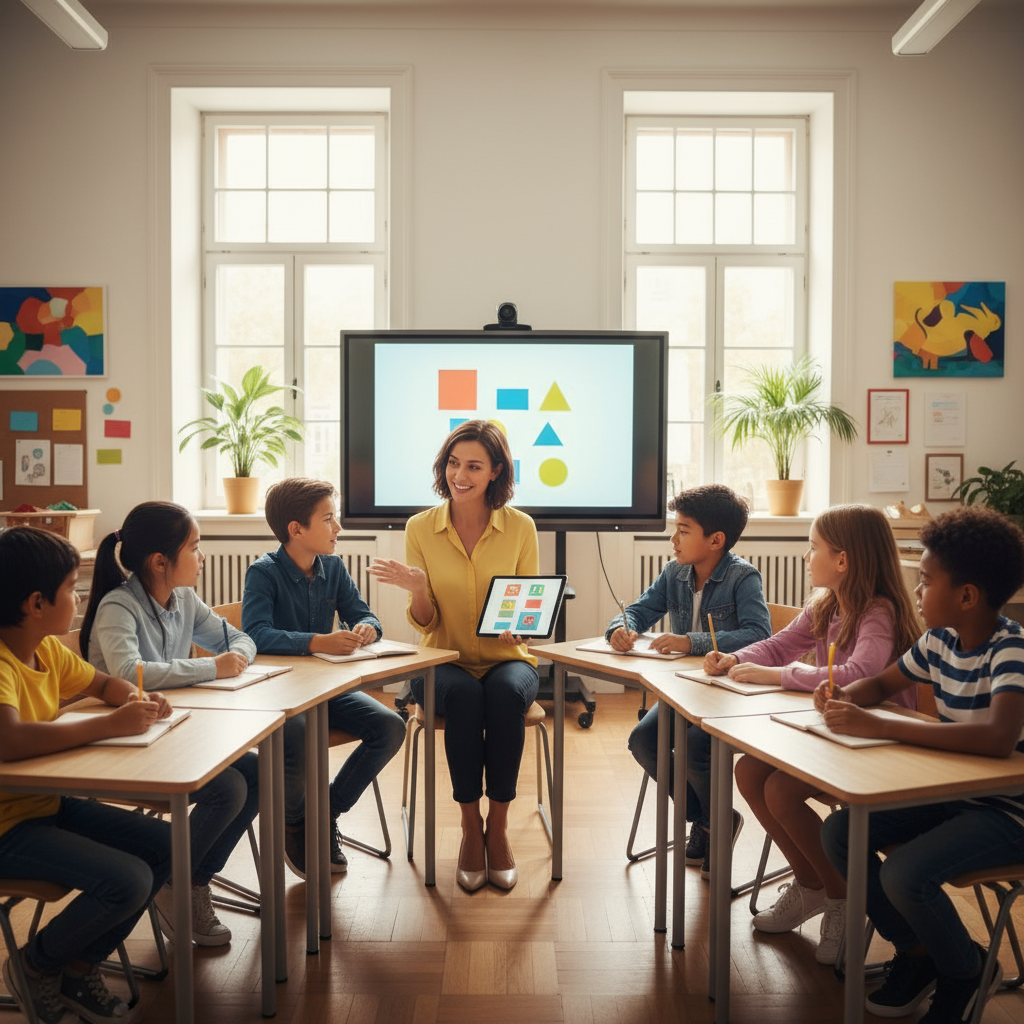
Picture this: You walk into your classroom and twenty-eight pairs of eyes look up at you with genuine interest. No one’s throwing paper airplanes. Nobody’s having a side conversation about last night’s TikTok drama. Everyone’s actually ready to learn. Sounds like a fantasy? It’s not—but it doesn’t happen by accident either. Welcome to the world of effective classroom management, where this dream becomes your everyday reality.
Here’s what I’ve learned after years in education: classroom management isn’t about being the strictest teacher in the hallway. It’s about creating an environment where learning can actually happen. And when I say learning, I mean the real stuff—not just kids sitting quietly while you talk at them for an hour. We’re talking about engaged students who respect each other, participate willingly, and yes, even enjoy being in your class. The research backs this up too. The National Center on Safe Supportive Learning Environments found that classrooms with solid management see better student engagement and higher achievement. But you probably already knew that from experience.
Now, let’s get real for a moment. Building this kind of classroom takes work. You need clear expectations—not the kind written on a poster that everyone ignores, but the kind students actually understand and follow. You need routines that become second nature. And perhaps most importantly, you need authentic relationships with your students. When kids genuinely like and respect you (and feel that respect returned), classroom management becomes less about control and more about community. The psychology research confirms what many teachers instinctively know: positive teacher-student relationships are game-changers for both behavior and academic success.
But here’s something people don’t talk about enough—effective classroom management saves your sanity. Teachers who feel confident managing their classrooms report way less stress and much higher job satisfaction. Makes sense, right? When you’re not constantly putting out behavioral fires, you can actually focus on what you love: teaching. Plus, when your management strategies work, everyone wins. Students learn better, you teach better, and somehow the whole experience becomes more enjoyable for everyone involved. Speaking of modern tools that can support your management efforts, staying current with education technology trends can give you fresh approaches to engagement and organization that complement your existing strategies.
What You’ll Learn in This Guide
Think of this guide as your practical roadmap to classroom management that actually works. We’ll skip the theoretical fluff and dive straight into strategies you can use tomorrow morning. Whether you’re a brand-new teacher feeling overwhelmed or a veteran looking to refresh your approach, we’ve got you covered.
- Understanding the Essentials of Classroom Management: We’ll break down what really matters—rules that students actually follow, routines that save your sanity, relationships that transform your classroom culture, and consequences that teach rather than punish.
- Implementing Proven Behavioral and Instructional Strategies: You’ll discover specific techniques for encouraging positive behavior, keeping students actively engaged, and handling disruptions before they derail your lesson plans.
- Recognizing and Addressing Challenges: Learn to spot the warning signs of management troubles early (trust me, they’re easier to fix before they become major problems) and get practical solutions that work in real classrooms with real kids.
- Preventative and Professional Development Approaches: Find out how to create an inclusive classroom environment from day one, plus discover ongoing development opportunities that keep your skills sharp and your approach fresh.
Throughout this guide, we’ll dig deep into each area with concrete examples, real-world scenarios, and expert insights that you can actually apply. By the time we’re done, you’ll understand not just why these strategies work, but exactly how to make them work in your unique situation.
We’re going to cover everything from setting up expectations that stick to building the kind of teacher-student relationships that make discipline feel more like guidance. You’ll learn behavioral techniques that actually motivate students, instructional approaches that keep everyone engaged, and organizational systems that make your life easier. If you’re interested in the broader leadership aspects of education, exploring education leadership styles can provide valuable context for how effective management fits into larger school cultures and educational leadership approaches.
We’ll also tackle those moments every teacher dreads—when classroom management starts falling apart. You’ll learn to recognize the early warning signs and get step-by-step methods for getting back on track. Plus, we’ll share preventative strategies and professional development resources that help you stay ahead of problems rather than constantly reacting to them. For teachers specifically looking to boost student motivation (because let’s face it, motivated students are much easier to manage), the strategies in how to motivate students pair perfectly with the management techniques we’ll explore.
Whether you’re starting your first teaching job or you’ve been in the classroom for decades, this guide will give you practical tools for confident, effective classroom management. By the end, you’ll be ready to create that classroom environment you’ve always wanted—one where respect flows both ways, learning happens naturally, and every student has the chance to succeed.
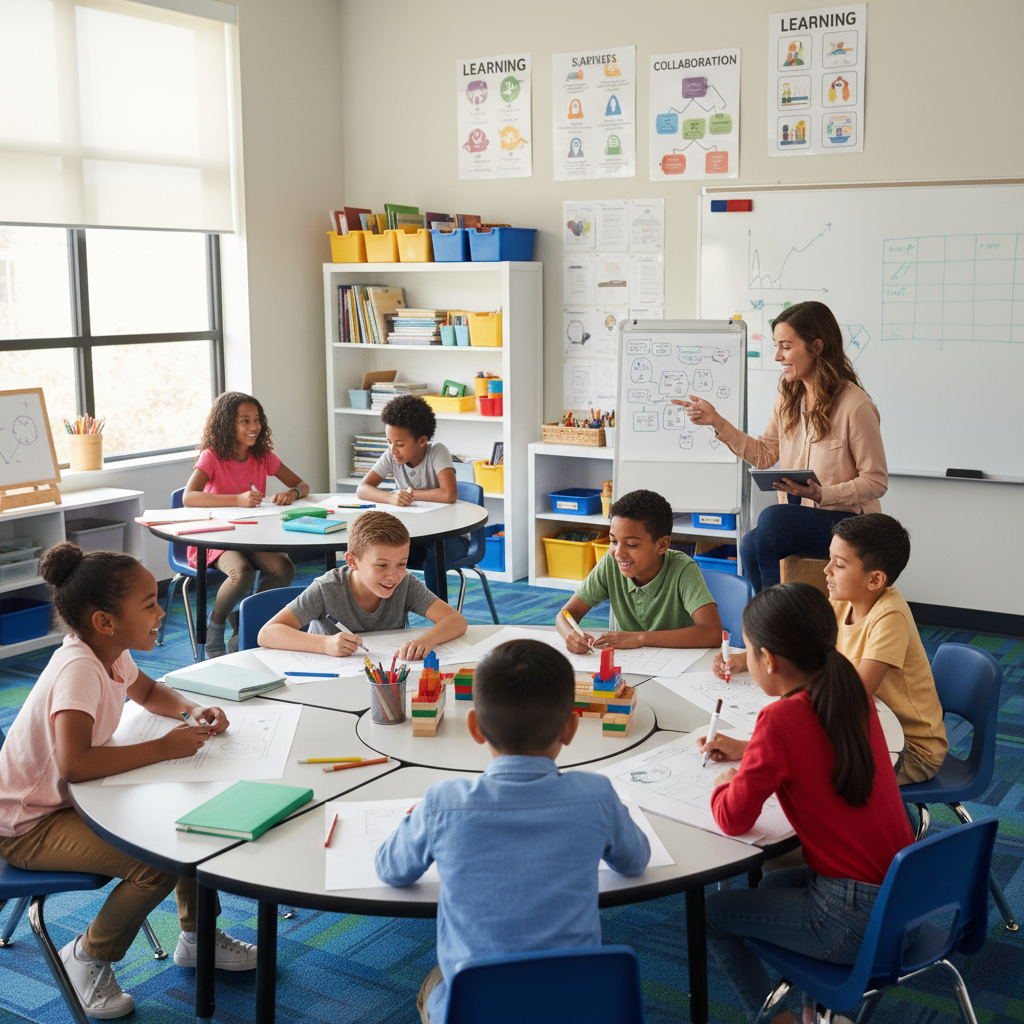
Let’s be real—classroom management can make or break your teaching experience. You’ve probably felt it: that moment when everything clicks and your students are engaged, focused, and actually learning. Or maybe you’ve had those days where chaos reigns and you wonder if you chose the wrong profession. Here’s the thing: great classroom management isn’t just about keeping kids quiet. It’s about creating a space where learning thrives, where students feel safe to take risks, and where you can actually teach instead of constantly putting out fires.
Understanding Classroom Management and Its Key Elements
So what does effective classroom management actually look like? Think of it as building the foundation of a house—you need solid groundwork before you can add the fancy stuff. At its core, it’s about creating structure that supports learning. Clear rules? Absolutely necessary. Consistent routines? Game-changer. But here’s what many people miss: it’s equally about relationships.
Your students need to trust you. They need to know you’ve got their back, even when you’re correcting their behavior. That trust doesn’t happen overnight, but when it does? Magic. Speaking of building that foundation, you might want to check out different education leadership styles because your approach to leadership directly shapes how your classroom management plays out.
Here’s something I’ve learned after years in the classroom: consistency beats perfection every time. You don’t need to be the strictest teacher or the most fun teacher. You need to be predictable. When students know what to expect, they can focus on learning instead of trying to figure out the rules. And when things go sideways (because they will), having those solid routines to fall back on keeps everything from falling apart. It’s also worth exploring student motivation strategies because motivated students are naturally easier to manage.
Key Aspects of Classroom Management
Let me break down the essential pieces that make classroom management actually work:
- Establishing Rules and Expectations: Keep it simple. Three to five clear rules that everyone understands work better than a complicated list nobody remembers. Post them, practice them, and refer back to them consistently. Your students should be able to recite these in their sleep.
- Creating Routines and Procedures: This is where you save yourself countless headaches. How do students enter the room? What happens when they need to sharpen a pencil? Where do they turn in assignments? Nail down these details early, and you’ll spend way less time managing logistics.
- Building Positive Relationships: Get to know your students as people, not just names on a roster. What makes them tick? What are they passionate about? When you show genuine interest in who they are, they’re more likely to respect your classroom boundaries.
- Maintaining Consistent Consequences: Fair doesn’t always mean equal, but it should always be consistent with your established expectations. When students know what happens when they break a rule—good or bad—they can make informed choices about their behavior.
These elements work together like ingredients in a recipe. Miss one, and the whole thing can fall flat. But when you get them all working in harmony? That’s when you start seeing real results.
Proven Classroom Management Strategies for Positive Learning Environments
Now for the practical stuff—the strategies that actually work in real classrooms with real kids. You’ve probably tried some techniques that looked great on paper but crashed and burned in practice. (We’ve all been there.) The key is finding approaches that fit your teaching style and your students’ needs.
One thing that’s really changed the game recently? Technology. And I’m not just talking about using tablets instead of textbooks. Modern education technology trends offer some incredible tools for classroom management—from digital behavior tracking to interactive engagement platforms that keep students actively involved.
But remember, technology is just a tool. The real magic happens when you combine smart strategies with genuine care for your students. When you prevent problems instead of just reacting to them, when you celebrate the good stuff as much as you address the challenging stuff—that’s when your classroom transforms from a place students have to be to a place they want to be.
Key Aspects of Classroom Management Strategies
Here are the strategies that consistently work across different classrooms and grade levels:
- Positive Reinforcement and Rewards: Catch them being good. Seriously, this works better than any consequence system. It doesn’t have to be elaborate—sometimes a simple “I noticed how well you helped your partner” is worth more than any sticker chart.
- Clear and Consistent Discipline: When you say something will happen, it needs to happen. Every time. This builds trust and shows students you mean what you say. Fair consequences aren’t about being mean—they’re about keeping everyone safe and maintaining a space where learning can happen.
- Use of Non-Verbal Cues: Master the teacher look. Learn to redirect behavior with a glance, a gesture, or just moving closer to a student. These subtle interventions keep instruction flowing while addressing issues before they escalate.
- Effective Classroom Layout and Time Management: Your physical space should work for you, not against you. Can you see all your students? Can they see you and the board? Are high-traffic areas clear? And time management isn’t just about pacing—it’s about transitions, procedures, and making every minute count.

Here’s the truth about classroom management—it really is the foundation that everything else builds on. We’ve covered a lot of ground in this guide, from setting up clear rules and routines to building those genuine connections with your students that make all the difference. Good management isn’t about being the strict teacher who never smiles. It’s about creating a space where kids feel safe enough to take risks, ask questions, and actually want to learn. When you combine solid behavioral strategies (positive reinforcement works wonders) with teaching methods that get students involved, you’re setting everyone up for success. And don’t forget those organizational touches—how you arrange your classroom and manage time can completely change the flow of your day.
Now, let’s be real for a moment. You’ll know when things aren’t working. Maybe you’re seeing more disruptions than usual, or academic performance is starting to slip. These are your early warning signs, and catching them early means you can course-correct before things spiral. The best approach? Stay ahead of problems. Set those expectations from day one, and here’s something that really works—let your students help create the rules. When they have a voice in the process, they’re more likely to follow through.
Ready to take your classroom management to the next level? Consider exploring how classroom dynamics connect with your students’ overall well-being through our guide on education and mental health. Want to boost engagement and see more positive behaviors? Check out our resource on how to motivate students—it pairs perfectly with what you’ve learned here. And if you’re curious about how your leadership style shapes your classroom culture, our guide on education leadership styles offers some eye-opening insights.
You’ve got the tools now. You understand the strategies. Most importantly, you know that effective classroom management isn’t just about keeping order—it’s about building a community where every student can flourish. Trust yourself with these approaches. Your commitment to getting better at this makes a real difference in your students’ lives. Keep growing, keep adapting, and remember—you’re not just managing a classroom, you’re shaping futures.
Frequently Asked Questions
-
What is the most effective classroom management strategy?
- Consistent routines paired with positive reinforcement are often the most effective strategies to encourage good behavior and a productive learning environment.
-
How can I handle disruptive students?
- Set clear expectations, stay calm, and apply consistent consequences to manage disruptive behavior effectively and maintain classroom order.
-
When should I seek help for classroom management issues?
- If disruptive behaviors persist despite your efforts or if your stress levels or student well-being are impacted, it’s important to seek additional professional support.
-
How do I build positive relationships with my students?
- Engage with empathy, actively listen, and consistently show respect to foster meaningful, positive connections with your students.
-
Can classroom management strategies improve student learning?
- Yes, a well-managed classroom promotes higher student engagement, reduces distractions, and supports academic achievement effectively.